Outdoor Backpacks: Shop the Best Hiking and Backpacking Packs
From quick day hikes on local trails to multi-week thru-hikes on the Appalachian Trail, the right outdoor backpacks make every mile more manageable. Our collection covers every adventure style and body type, with waterproof outdoor hiking backpacks, lightweight daypacks, and full-suspension backpacking packs chosen for real trail performance across every season.
Shop Our Outdoor Backpacks Collection
Our outdoor backpacks collection brings together the most trusted names in hiking and backpacking gear. Every pack is selected for fit, durability, and performance on the kinds of terrain and weather that Appalachian hikers actually face, from compact daypacks to high-capacity multi-day haulers.
What Makes a Great Outdoor Backpack
The difference between a pack that feels great at mile one and one that wrecks your shoulders by mile ten comes down to a few core features. Quality outdoor backpacks share these qualities regardless of size or price point:
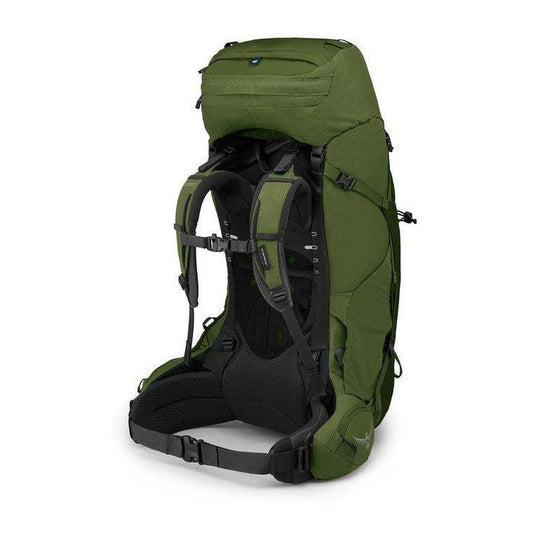
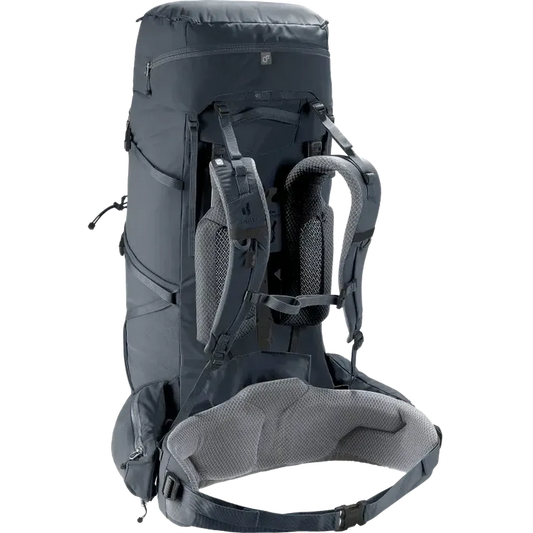
- A suspension system that transfers load weight to your hips, not your shoulders
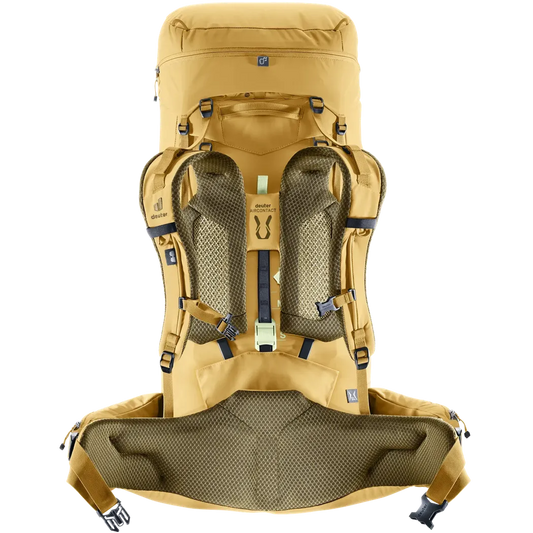
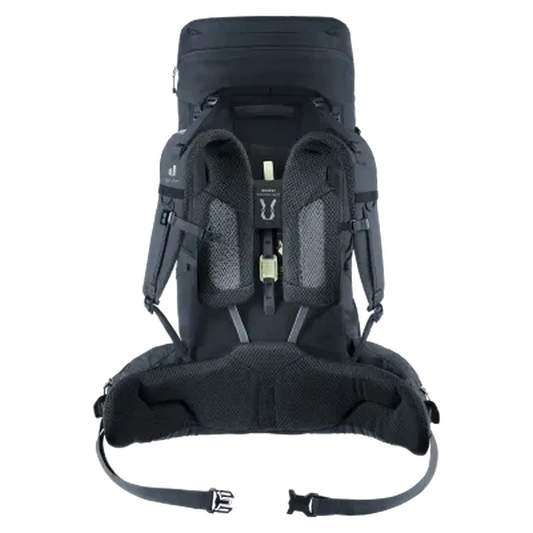
- Breathable back panels that allow airflow on humid, high-effort climbs
- Durable, abrasion-resistant fabric that holds up against rocks, roots, and brush
- Waterproof protection or rain cover compatibility for unexpected weather
- Logical organization with accessible pockets for snacks, maps, and small gear
How to Choose the Right Outdoor Backpack
Choosing outdoor backpacks comes down to four practical decisions: how much you need to carry, how the pack fits your body, what kind of structure suits your hiking style, and how well the pack handles wet conditions. Getting these four right means you will enjoy wearing your pack for hours at a stretch.
Match Capacity to Your Trip Length
Capacity is the starting point for any outdoor backpack decision. Here is a practical breakdown by trip type:
Daypacks (15 to 30L):
- Best for day hikes, trail running, and short summit trips
- Light enough to carry all day without fatigue on moderate terrain
Overnight Packs (30 to 50L):
- Cover 1 to 2 night trips with a compact sleep system
- Good crossover for heavy day hikes with extra gear layers
Multi-Day Packs (50 to 70L):
- Standard range for 3 to 5 night backpacking trips
- Most hikers on the AT and similar long trails use outdoor backpacks in this range
Expedition Packs (70L and above):
- Built for extended thru-hikes, guided trips, and winter outings
- Best for experienced backpackers with a dialed-in gear list
Fit Over Everything: Torso Length and Hip Belt
No single factor matters more for comfort than fit. Most hikers make the mistake of choosing a pack based on height, but torso length is what actually determines whether a pack rides correctly on your body. Measure from the bony bump at the base of your neck (C7 vertebra) down to the top of your hip bones. Match that number to the torso range listed for your pack size. Once the pack is on, the hip belt should sit centered on your iliac crest. A properly fitted hip belt carries roughly 80 percent of the total weight, which is the difference between a pack that carries all day and one that fatigues you by noon.
Frame Type: Internal vs. Frameless
Internal frame outdoor backpacks are the standard choice for most hikers. The integrated frame keeps the pack close to your center of gravity, which is critical on uneven terrain. Rocky, rooted trails across the Appalachian region demand this kind of stability. Frameless packs cut weight significantly and suit experienced ultralight hikers keeping loads under 25 pounds. For most backpackers, especially those new to multi-day trips, internal frame outdoor hiking backpacks offer the best balance of comfort and control on technical terrain.
Waterproof Protection Built for Real Trail Conditions
Waterproofing on outdoor hiking backpacks is not one-size-fits-all. Three scenarios come up regularly for hikers in the Appalachian region:
- Sudden afternoon thunderstorms on exposed ridges, where rain hits before you reach tree cover
- Stream crossings and wet scrambles where the pack base gets splashed directly
- Overnight condensation when a pack sits under a tarp in humid conditions
For day hikes in moderate rain, a DWR-coated fabric and integrated rain cover provide solid protection. For multi-day trips with sustained rain, look for packs with a packaged rain cover and sealed main compartment zippers. Reapplying DWR spray once a season keeps coverage effective longer regardless of how hard the pack has been used.
Choosing Your Outdoor Backpack for Appalachian Trail Conditions
Most gear guides write buying advice for a generic hiker on a generic trail. Hiking in the Appalachian region is a specific experience with specific demands, and choosing your outdoor backpacks with those conditions in mind puts you ahead of any generic recommendation.
Humidity, Rain, and the Mid-Atlantic Hiking Season
Spring through fall in the mid-Atlantic and Southern Appalachians means high ambient humidity, frequent afternoon storms, and trails that stay wet long after rain stops. A breathable mesh back panel makes a real difference in these conditions, pulling the pack away from your back and allowing airflow on steep climbs. If you are hiking from April through October in this region, back panel ventilation is a functional priority, not an optional feature.
Rocky and Rooted Terrain: Why Pack Stability Matters
Appalachian trails are demanding. From boulder fields in the Whites to rocky ridgelines in Pennsylvania and root-covered paths in the Smokies, the terrain requires packs that move with your body. A well-fitted internal frame pack with load-lifter straps and a snug hip belt keeps your center of gravity stable on uneven footing. Packs that shift or sway add fatigue and increase fall risk on technical sections, which is why suspension quality matters as much as capacity when shopping for outdoor hiking backpacks in this region.
Pack Weight Considerations for Long-Distance Trails
On multi-day trails like the AT, Long Trail, or the Finger Lakes Trail, pack base weight compounds across every mile. The general guideline for long-distance hiking is to keep total pack weight below 30 percent of your body weight. For most backpackers, that means choosing outdoor backpacks in the 50 to 65L range with a base weight under 4 pounds and building a gear list that keeps the full pack under that threshold.
Types of Outdoor Backpacks in Our Collection
Our outdoor backpacks collection is organized around how you actually hike, not just volume numbers. Here is what we carry and who each type is built for.
Daypacks for Hiking and Trail Use
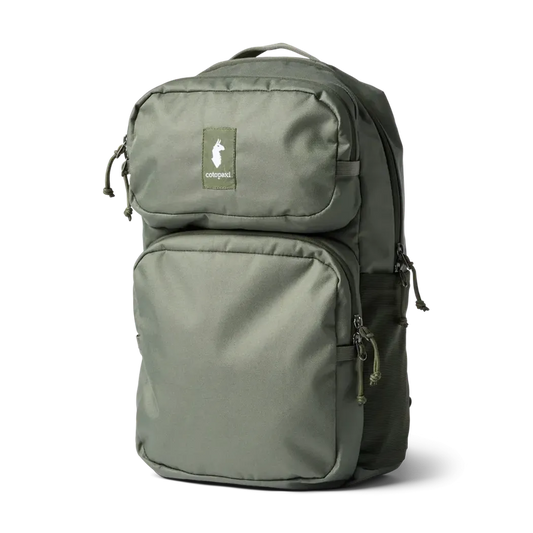
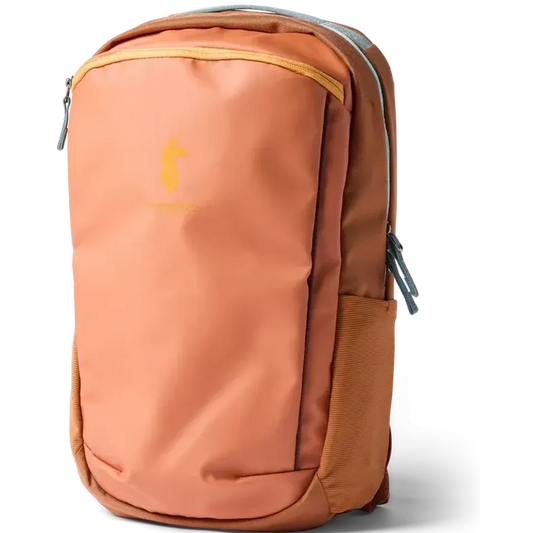
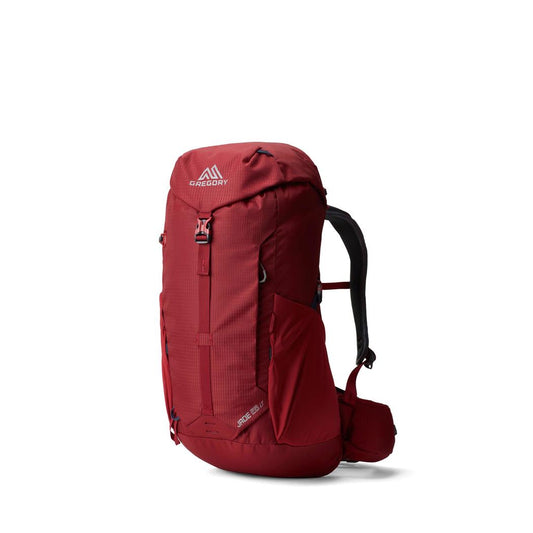
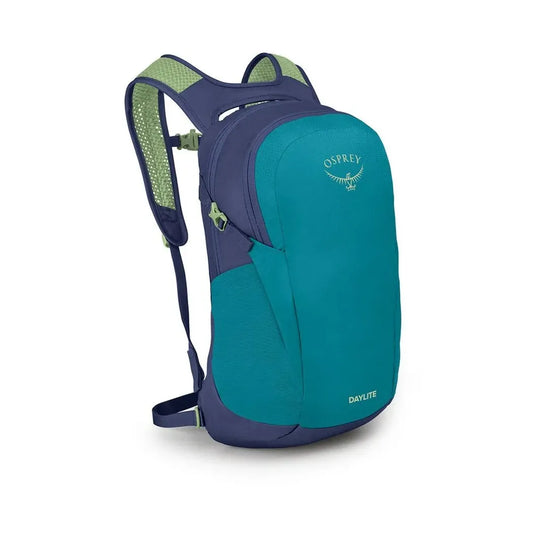
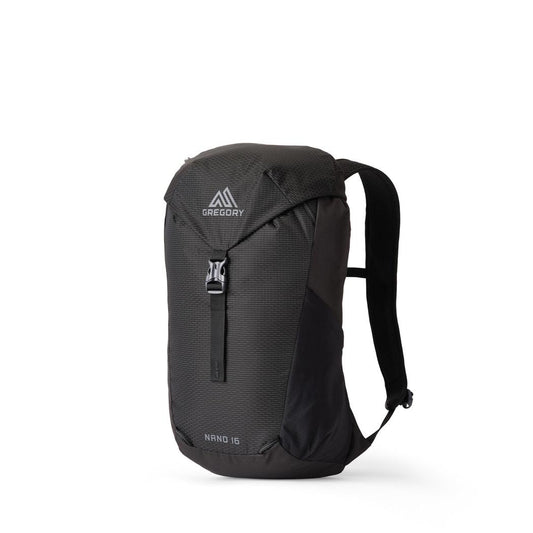
Daypacks are the most versatile packs in our outdoor backpacks lineup. Sized between 15 and 30 liters, they carry everything needed for a full day on trail without the bulk of a backpacking pack. Look for models with a hydration sleeve, trekking pole attachments, and hip belt pockets for your phone and keys.
Backpacking Packs for Overnight and Multi-Day Trips
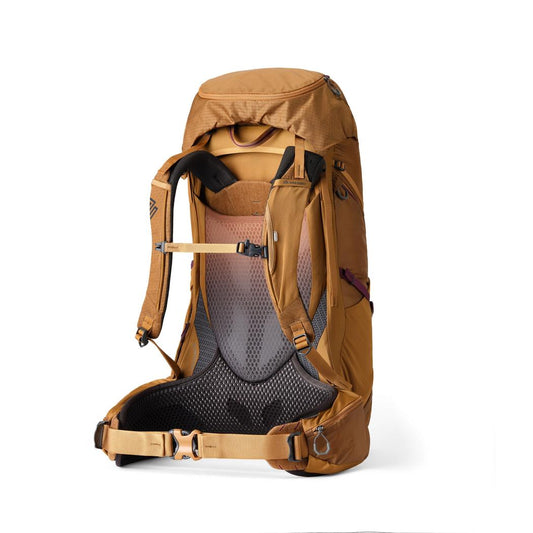
Backpacking packs handle the full load of a sleep system, food supply, and clothing for 2 to 7 night trips. A good backpacking pack should be fitted before you buy, ideally with some weight inside to test how the suspension performs. To build a complete kit around your outdoor backpack, browse our camping tents and sleeping bags for gear that pairs well across brands and trip styles.
Hydration Packs for Fast and Light Adventures
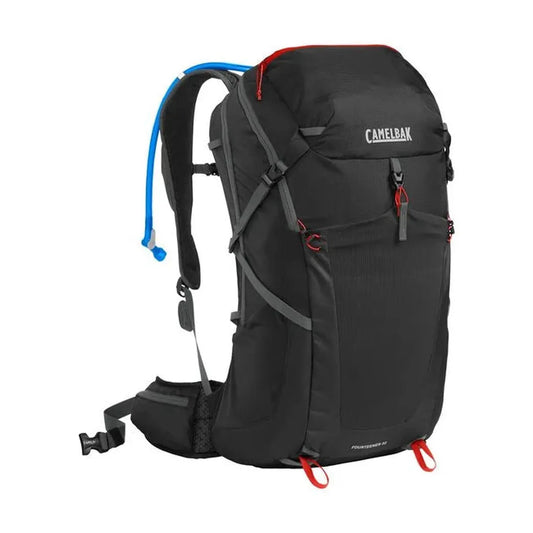
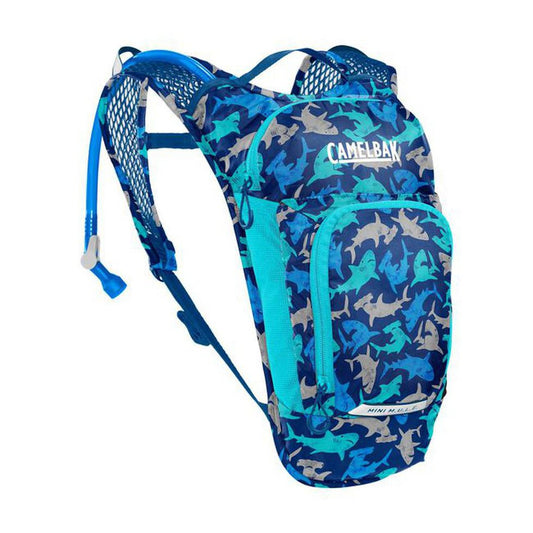
Hydration packs are purpose-built for trail running, fast day hikes, and any outing where drinking on the move is the priority. Sized between 8 and 20 liters, they sit close to the body and add minimal weight overhead. For backcountry travel where water sources are uncertain, pair your hydration pack with a water treatment solution from our hydration collection to keep safe drinking water available all day.
Our Best-Selling Outdoor Backpacks
These are the outdoor backpacks our customers reach for most, organized by how they hike and what they need on trail.
- Lightweight 50 to 65L backpacking packs: the core of our outdoor backpacks lineup, built for 3 to 5 night trips with adjustable suspension and packaged rain covers.
- 25 to 30L daypacks: the most popular size in our outdoor backpacks range for weekend hikers who want full-day capacity without unnecessary bulk.
- Hydration trail packs: compact options for trail runners and fast-and-light hikers who prioritize movement over storage.
- Women's-specific fit packs: shorter torso sizing and contoured hip belts for a more precise and comfortable fit on the trail.
Browse the full outdoor backpacks collection above and use the filters to sort by capacity, brand, and price.
Why Shop Outdoor Backpacks at Appalachian Outfitters
Appalachian Outfitters is a specialty outdoor retailer built around the trails of the eastern United States. We carry the best outdoor backpacks for the conditions our customers actually hike in, selected by people who know the difference between a pack that performs on the AT and one that just looks good on a product page.
- Expert-curated selection of outdoor backpacks with brands proven on real trails: Osprey, Gregory, Deuter, and others chosen for suspension quality and long-term value.
- Trail-specific knowledge from a team that hikes the same routes our customers do, from the Smokies to the Whites.
- Gear pairing guidance to help you match your outdoor backpack to a complete system for any trip length.
Frequently Asked Questions About Outdoor Backpacks
These are the questions our customers ask most when shopping for outdoor backpacks. If something is not covered here, our team is happy to help you find the right pack.
What size outdoor backpack do I need for a 3-day hike?
For a 3-day hiking trip, outdoor backpacks in the 45 to 55L range cover most gear lists comfortably. That capacity handles a tent, sleeping bag, sleeping pad, three days of food, water, and clothing layers without overpacking. Hikers using ultralight gear can sometimes work with a 40L pack for the same trip length.
Are outdoor backpacks waterproof?
Most outdoor backpacks are water-resistant rather than fully waterproof. The outer fabric uses a DWR finish that sheds light rain and splashes, but sustained heavy rain will eventually saturate the material. Most backpacking packs include or are compatible with a rain cover for full protection in serious weather. For critical gear inside, a waterproof dry bag adds a reliable second layer of protection.
What is the difference between a hiking backpack and a backpacking pack?
A hiking backpack typically refers to a daypack sized for single-day outings, generally under 35 liters. Backpacking outdoor backpacks are designed for multi-day overnight trips, starting around 40 liters and scaling up to 80 liters or more. Backpacking packs include a more robust suspension system, a hip belt designed to carry significant weight, and more organizational features for managing several days of gear on trail.
How do I know if an outdoor backpack fits correctly?
A well-fitted outdoor backpack sits with the hip belt centered on your iliac crest, the shoulder straps following the curve of your shoulders without gaps, and load-lifter straps angling upward at roughly 45 degrees. When weight is in the pack, you should feel most of it on your hips rather than pulling down on your shoulders. If your shoulders carry the majority of the load, the pack is either too large for your torso or the hip belt is not positioned correctly.
What brands of outdoor hiking backpacks does Appalachian Outfitters carry?
Our outdoor backpacks collection includes packs from Osprey, Gregory, Deuter, and other trusted brands in the hiking and backpacking industry. Each brand is evaluated for fit range, suspension quality, and durability based on field performance. Contact our team for availability and fit guidance on specific models.
Can I use a backpacking pack as a carry-on?
Some packs in the 40 to 46L range fit within airline carry-on size limits, though this varies by airline and whether the pack has external attachments that add to its dimensions. If flying with your outdoor backpack is a priority, look specifically for packs marketed as carry-on compatible and verify dimensions against your airline's current limits before your trip.
The right outdoor backpack is the most personal piece of gear you will own for the trail. Getting fit, capacity, and features right makes every trip more comfortable from the first mile to the last. Explore the full collection above, filter by size and style, and reach out to our team if you need help matching a pack to your next adventure.

 Sale
Sale
 Sale
Sale
 Sale
Sale
 Sale
Sale
 Sale
Sale
 Sale
Sale