-
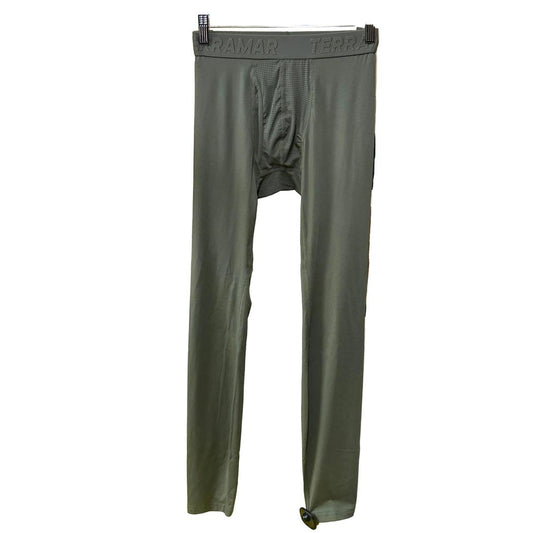
Terramar 2.0 Men's Termolator Performance Pant
Regular price From $22.50Unit price perRegular price $45.00Sale price From $22.50Sale -
Terramar 2.0 Men's Thermolator Performance Crew
Regular price $29.25Unit price perRegular price $45.00Sale price $29.25Sale -
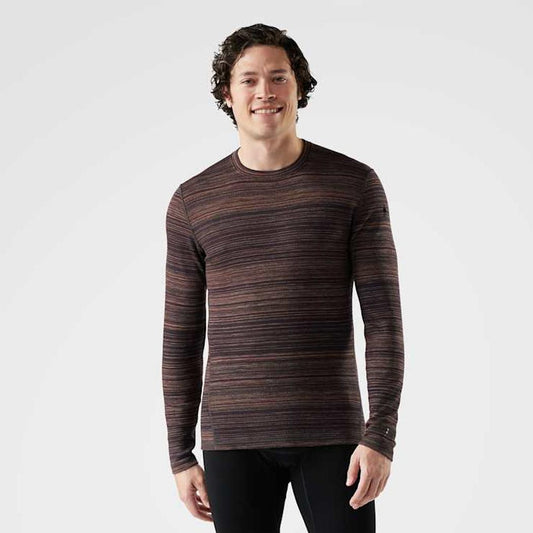
Smartwool Men's Classic Thermal Merino Base Layer Crew
Regular price From $93.75Unit price perRegular price $125.00Sale price From $93.75Sale -
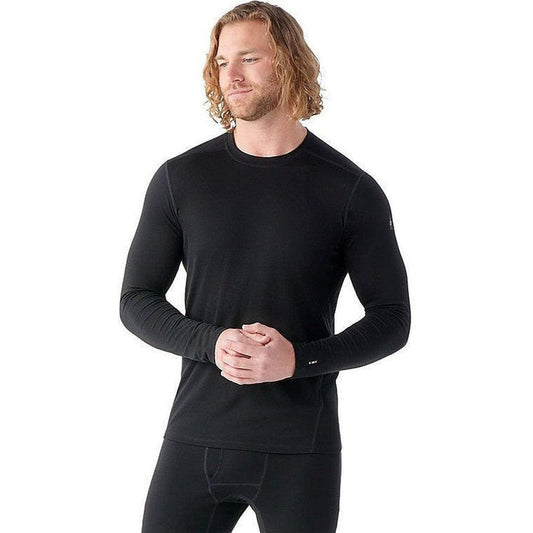
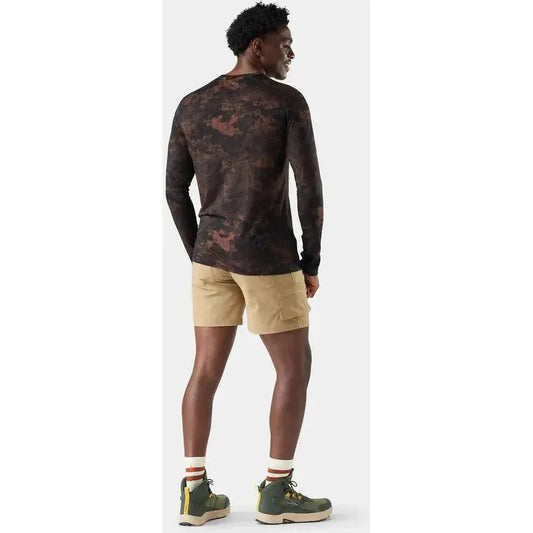
Smartwool Men's Classic All-Season Merino Base Layer Long Sleeve
Regular price $100.00Unit price perRegular priceSale price $100.00 -
Smartwool Men's Classic All-Season Merino Base Layer Long Sleeve
Regular price $100.00Unit price perRegular priceSale price $100.00 -
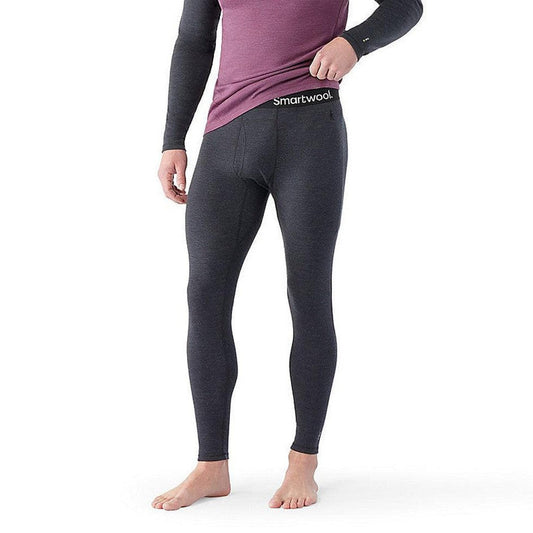
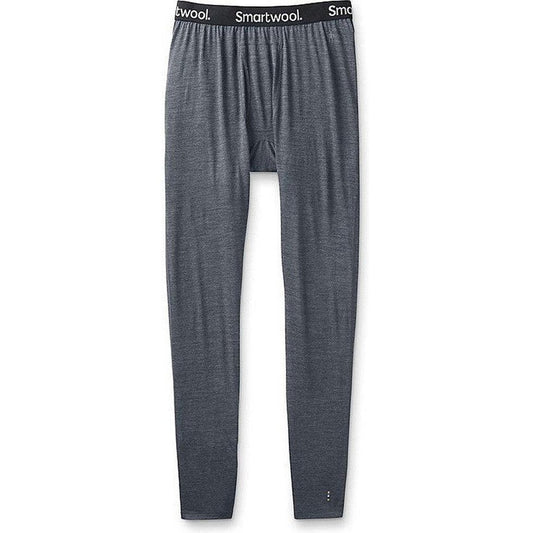
Smartwool Men's Classic Thermal Merino Base Layer Bottom
Regular price From $93.75Unit price perRegular price $125.00Sale price From $93.75Sale -
Patagonia Men's Capilene Midweight Zip-Neck
Regular price $99.00Unit price perRegular priceSale price $99.00 -
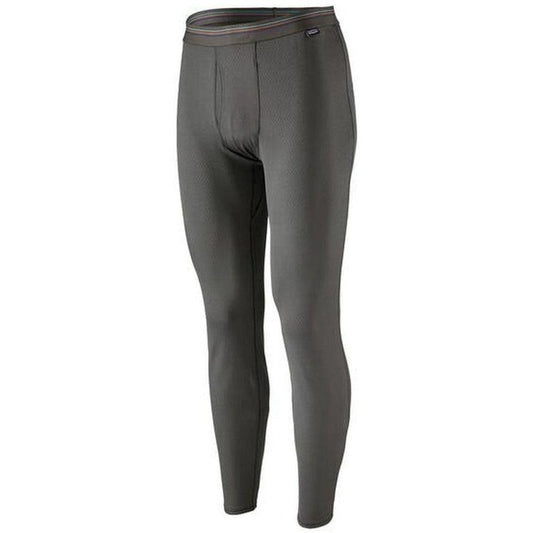
Patagonia Men's Capilene Midweight Bottoms
Regular price $89.00Unit price perRegular priceSale price $89.00 -
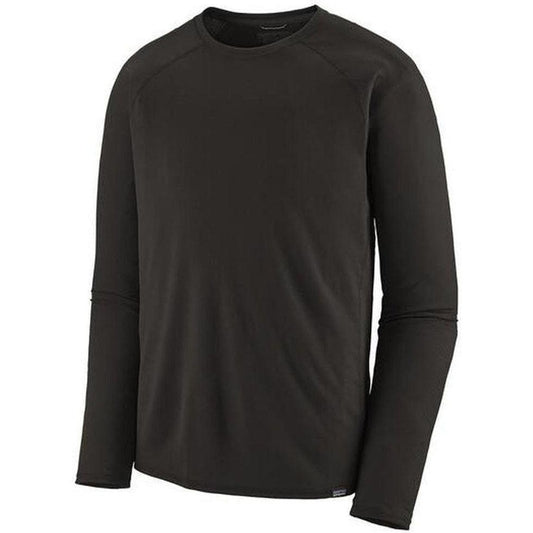
Patagonia Men's Capilene Midweight Crew
Regular price From $66.75Unit price perRegular price $89.00Sale price From $66.75Sale -
Smartwool Men's Classic All-Season Merino Base Layer Bottom
Regular price $100.00Unit price perRegular priceSale price $100.00 -
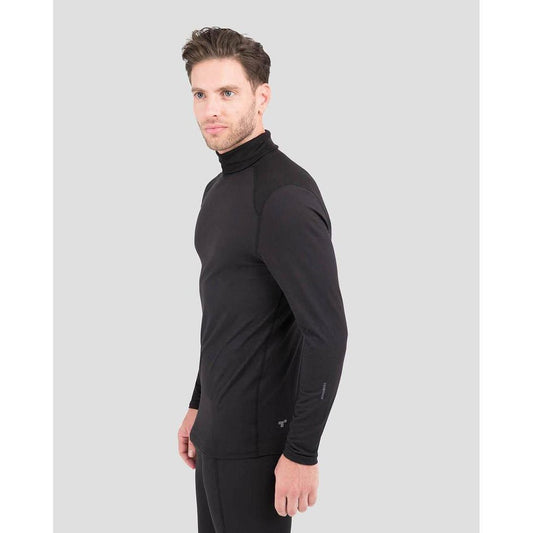
Terramar 2.0 Men's Thermolator Performance Turtle Neck
Regular price $29.25Unit price perRegular price $45.00Sale price $29.25Sale -
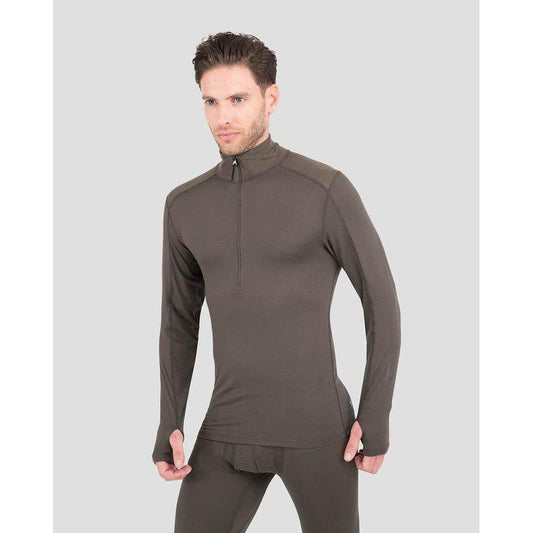
Terramar 2.0 Men's Thermolator Performance Half Zip
Regular price From $25.00Unit price perRegular price $50.00Sale price From $25.00Sold out -
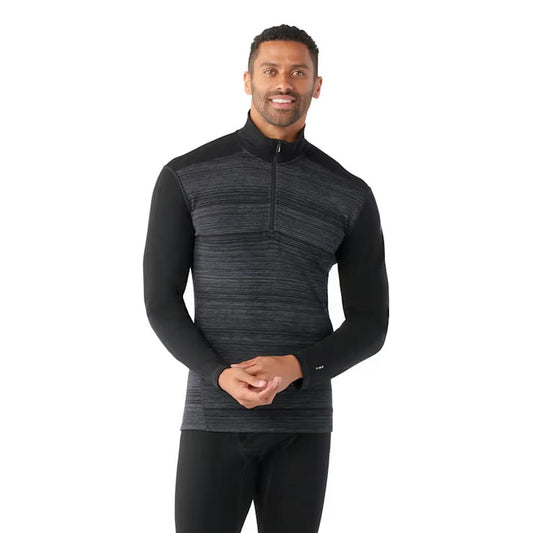
Smartwool Men's Classic Thermal Merino Base Layer 1/4 Zip
Regular price $97.50Unit price perRegular price $130.00Sale price $97.50Sold out -
Smartwool Men's Classic All-Season Merino Base Layer 1/4 Zip
Regular price $105.00Unit price perRegular priceSale price $105.00Sold out














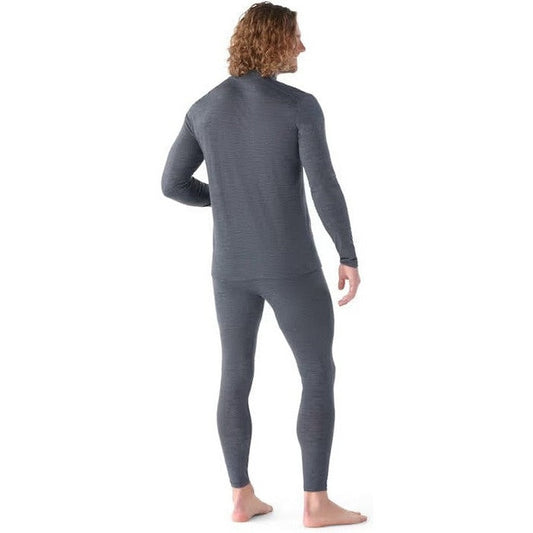
That expensive down jacket keeping you warm? It's only working half as well as it could because the cotton t-shirt underneath is soaking with sweat, destroying insulation and making you cold despite premium outerwear. Most outdoor enthusiasts invest heavily in visible outer layers while ignoring the foundation that determines whether those investments actually perform. Quality men's base layers represent the difference between shivering miserably inside technical jackets and maintaining comfortable warmth during demanding cold-weather activities. At Appalachian Outfitters, we've watched countless men transform their winter experiences simply by replacing cotton underlayers with engineered fabrics designed for moisture management and thermal regulation rather than casual comfort.
Why Cotton Base Layers Destroy Warmth
Cotton base layers sabotage your entire layering system through moisture retention that eliminates insulation and creates dangerous cooling. Cotton fibers absorb up to 27 times their weight in water, eagerly soaking up perspiration your body generates during uphill climbs or vigorous activity. This saturated fabric then conducts heat away from your body up to 25 times faster than dry material, creating rapid cooling the moment you stop moving. That pleasant warmth you felt while hiking becomes bone-chilling cold during breaks, forcing you to add layers constantly or cut rest stops dangerously short.
The moisture retention also prevents outer insulation layers from functioning properly. Wet base layers transmit dampness outward, degrading down's loft and synthetic insulation's effectiveness. Meanwhile, the heavy, clammy fabric feels miserable against skin while restricting movement as it loses elasticity when saturated. The old mountaineering saying "cotton kills" isn't hyperbole—hypothermia from wet cotton underlayers has contributed to countless wilderness emergencies that proper base layers would have prevented entirely. Coordinate technical base layers with quality men's jackets and vests for complete thermal systems.
Premium Base Layer Technologies
Merino Wool Excellence
Thermal base layers utilizing merino wool deliver natural performance characteristics that synthetic alternatives struggle matching. The fibers regulate temperature remarkably well, providing warmth when cold yet remaining breathable during activity preventing overheating. This versatility means single base layer sets serve diverse conditions rather than requiring temperature-specific options. The Smartwool Men's Merino 250 Base Layer Crew exemplifies premium merino construction with midweight insulation suitable for cold conditions.
Merino's antimicrobial properties prevent odor-causing bacteria from colonizing fibers even during multi-day trips without washing opportunities. You can wear quality merino base layers multiple consecutive days without developing overwhelming odor that synthetic options generate after single uses. This characteristic proves invaluable for backpacking expeditions or ski touring trips where laundry access doesn't exist. The natural elasticity helps merino maintain shape through countless wash cycles, while soft fibers feel luxurious against skin unlike scratchy traditional wool. Browse our Smartwool collection for comprehensive merino options.
Natural moisture management allows merino to absorb significant moisture vapor without feeling wet against skin—the fibers can hold up to 30% of their weight in moisture while still feeling dry and maintaining insulation properties. This buffer capacity prevents that clammy sensation synthetic base layers sometimes create during high-output activities. However, merino costs more than synthetics and dries slower when thoroughly soaked, creating trade-offs requiring consideration based on priorities and typical conditions.
High-Performance Synthetics
Outdoor base layers engineered from polyester, nylon, and specialized synthetic blends prioritize aggressive moisture wicking and ultra-fast drying. These fabrics actively transport sweat away from skin to outer surfaces where evaporation occurs rapidly, maintaining dry comfort during intense activity. The Patagonia Men's Capilene Midweight Crew demonstrates excellent synthetic performance with moisture management and quick-dry capabilities.
Synthetic base layers dry dramatically faster than merino when saturated—often within hours rather than overnight. This advantage benefits activities involving water exposure or unpredictable weather where getting soaked becomes likely. The materials also typically cost less than premium merino, making quality base layers more accessible to budget-conscious outdoor enthusiasts. However, synthetics lack merino's natural odor resistance, requiring more frequent washing to prevent smell buildup.
Strategic construction incorporating mesh ventilation panels, flatlock seams, and ergonomic cuts enhances synthetic base layer performance. Grid-fleece backing on some designs creates insulating air pockets while maintaining moisture transport channels, delivering warmth without bulk. Antimicrobial treatments help address odor issues though effectiveness varies and treatments eventually wash away. Browse Patagonia base layers for additional synthetic options.
Weight Classifications for Conditions
Base layers for cold weather come in multiple weight categories optimizing warmth versus breathability for different temperature ranges and activity levels. Lightweight options provide minimal insulation with maximum breathability for high-output activities in cool conditions or as foundation layers under heavier insulation. These work well for trail running, ski touring, or active winter hiking where metabolic heat generation runs high.
Midweight base layers balance insulation against moisture management, serving as versatile choices for general cold-weather activities. The Smartwool Men's Merino 250 Base Layer Bottom provides excellent midweight performance for skiing, snowshoeing, and winter camping. These represent the go-to option for most recreational winter enthusiasts handling typical cold conditions without specialization extremes.
Heavyweight or expedition-weight base layers deliver maximum insulation for extreme cold, static activities like ice fishing or belaying, or anyone whose body naturally runs cold. The thick fabrics provide substantial warmth but sacrifice breathability, potentially causing overheating during vigorous activity. Understanding your typical conditions and personal temperature regulation guides appropriate weight selection. Coordinate with proper men's bottoms for complete layering systems.
Selecting Your Perfect Base Layers
Fit Philosophy for Performance
Performance base layers should fit snugly against skin without restricting movement or creating uncomfortable pressure. The close contact allows efficient moisture wicking while preventing bunching under outer layers. However, excessively tight base layers restrict circulation and feel constrictive during active movement. Quality manufacturers design ergonomic cuts following body contours naturally, eliminating excess fabric while allowing comfortable range of motion.
Sleeve and torso length matter significantly—tops should extend past waistbands preventing gaps when reaching overhead, while bottoms should stay in place without riding up inside pants. Thumb loops on sleeves keep tops positioned correctly while providing hand coverage during transition periods. Flatlock seams prevent chafing during extended wear, particularly important for base layers worn directly against skin. Try base layers with your typical mid and outer layers ensuring compatible fit without excessive bulk or restriction.
Crew versus Zip Neck Options
Crew neck base layer tops provide simple, versatile designs working well under any outer layers. The lack of zippers reduces weight, eliminates potential failure points, and creates clean aesthetics. However, crews offer limited ventilation options when you overheat, requiring full removal for temperature adjustment.
Quarter-zip or half-zip designs incorporate ventilation allowing quick heat dumping without removing layers. The zippers facilitate precise temperature regulation during variable-output activities where overheating and cooling occur repeatedly. However, zippers add weight, cost, and potential mechanical failure while creating bulk some find uncomfortable under outer layers. Most recreational users find crew necks adequate for general use, while those pursuing high-output activities often prefer zip options' ventilation versatility. Complete your system with men's underwear and socks.
Build Your Foundation for Cold Weather Success
Quality men's base layers form the essential foundation of effective cold-weather layering systems, providing moisture management and thermal regulation that outer layers alone cannot deliver. We've explored how merino wool offers natural performance and odor resistance, synthetic fabrics provide quick-drying efficiency, and proper weight selection optimizes warmth versus breathability for specific conditions. From lightweight options for active pursuits to heavyweight alternatives for extreme cold, our comprehensive selection ensures appropriate base layers for every winter adventure.
Stop fighting inadequate cotton and discover how engineered base layers transform cold-weather comfort. Visit Appalachian Outfitters to explore our complete selection of thermal base layers, cold weather gear, and performance options from Smartwool, Patagonia, and leading manufacturers. Our staff provides expert guidance on materials, weights, and fit ensuring your foundation layer enhances rather than undermines your layering system.
Complete your cold-weather wardrobe with insulated jackets, winter accessories, and insulated boots. Trust Appalachian Outfitters for base layers for cold weather, thermal performance gear, and outdoor base layers supporting your winter adventures.