Camping Sleeping Bags: Find the Best Sleeping Bags for Cold Weather and Beyond
From warm summer nights at the campground to cold weather camping deep into fall on the Appalachian Trail, the right camping sleeping bag is the single piece of gear that determines how well you sleep outdoors. Our collection covers every season and sleeping style, with down and synthetic sleeping bags for camping in temperature ratings from 40°F summer bags to sub-zero winter options. Whether you are shopping for the best sleeping bags for camping or replacing an aging bag that no longer keeps you warm, you will find the right option here.
Shop Our Camping Sleeping Bags Collection
Our camping sleeping bags collection covers every season, insulation type, and budget. Browse down sleeping bags for lightweight backpacking, synthetic sleeping bags for camping in wet conditions, and bag liners to extend any bag you already own into colder temperatures. Every camping sleeping bag in our lineup carries a clear temperature rating so you can match the bag to your conditions before you buy.
How to Choose the Right Camping Sleeping Bag
Choosing the right camping sleeping bag comes down to four decisions: temperature rating, insulation type, bag shape, and for down bags, fill power. Getting these four right means you sleep warm and comfortable across every trip you take rather than shivering through nights where your bag falls short.
Temperature Rating: The Most Important Number
Temperature rating is the single most critical spec on any camping sleeping bag. EN and ISO certified bags carry two ratings: a comfort rating for average cold sleepers and a lower limit rating for warm sleepers. The comfort rating is the more conservative of the two and the safer number to shop by.
A practical rule that applies across all sleeping bags for camping: choose a bag rated 10 to 15 degrees Fahrenheit lower than the coldest temperature you expect to encounter. If you camp in the Appalachians in October when overnight lows regularly hit 35°F, a 20°F bag gives you real margin rather than a bag that meets the minimum. Cold sleepers, women, and lighter-framed campers tend to sleep colder than the rated comfort temperature suggests, making this buffer even more important.
Down vs Synthetic: Matching Insulation to Your Conditions
The choice between down and synthetic insulation is not just about weight and price. For campers in the Appalachian region, it is directly tied to the conditions you camp in most.
Down camping sleeping bags:
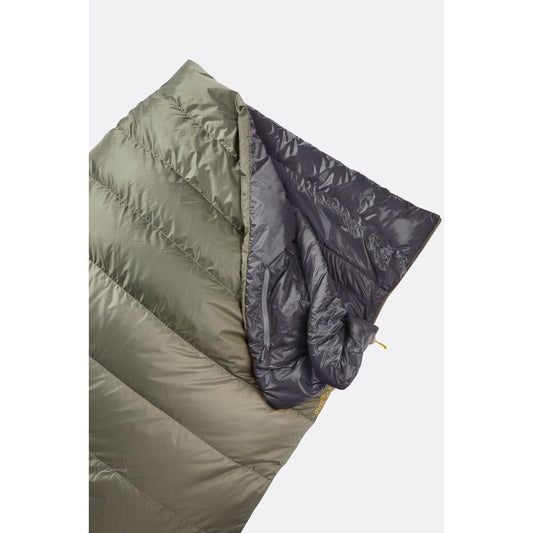
- Deliver the best warmth-to-weight ratio and compress smaller than any synthetic at the same temperature rating
- Perform best in dry, cold conditions where loft stays intact throughout the night
- Lose insulating ability when wet because down clusters collapse and stop trapping air
- Best for: dry alpine conditions, winter camping where moisture is frozen not liquid, backpackers who keep gear dry
Synthetic camping sleeping bags:
- Maintain warmth even when damp because synthetic fibers resist moisture absorption
- Dry significantly faster than down after exposure to rain, condensation, or humidity
- Heavier and bulkier than down at the same temperature rating
- Best for: spring and fall camping in the mid-Atlantic and Southern Appalachians, high-humidity conditions, campers who do not own waterproof pack covers
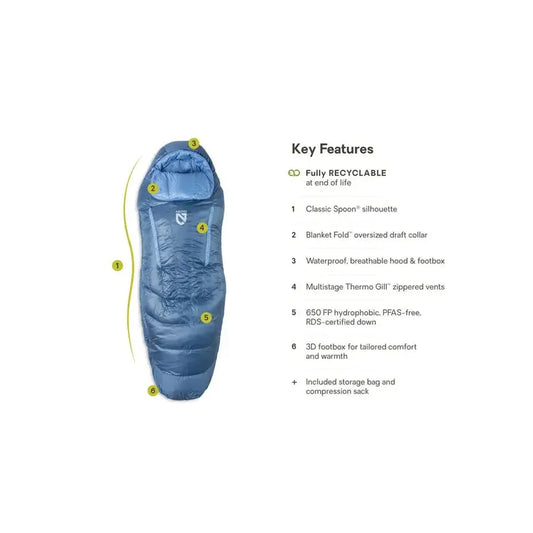
Hydrophobic down, which treats down clusters with a water-resistant coating, narrows this gap considerably. These bags handle moderate humidity better than untreated down while retaining most of the weight advantage. They cost more than standard down but less than premium synthetic at the same temperature rating.
Sleeping Bag Shape: Mummy, Semi-Rectangular, and Rectangular
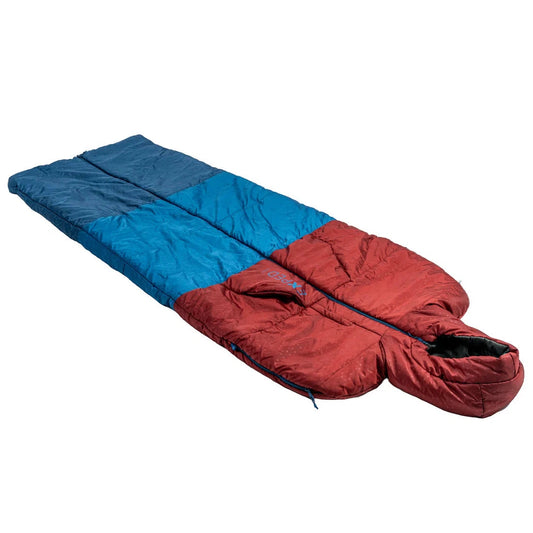
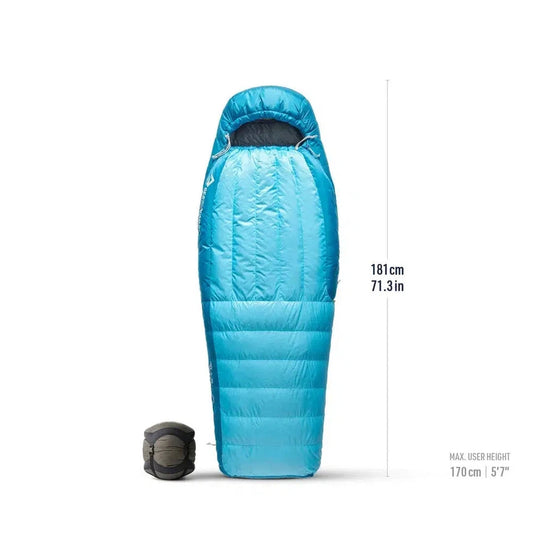
Shape determines how much warmth a bag retains relative to its weight, and how comfortable you sleep inside it. Mummy bags taper from shoulder to foot, eliminating dead air space that your body has to heat. This makes them the most thermally efficient shape and the standard choice for cold weather camping sleeping bags and backpacking. The tradeoff is a snug fit that some sleepers find restrictive. Semi-rectangular bags offer more room through the hips and feet than a mummy while still tapering enough to shed some weight, a good choice for 3-season campers. Rectangular bags provide the most interior space and work well for summer car camping where warmth-to-weight ratio matters less than comfort. Most can zip together with a second rectangular bag for couples.
Fill Power for Down Sleeping Bags
Fill power measures the loft of an ounce of down, expressed in cubic inches. A 650-fill bag requires more down by weight to reach the same temperature rating as an 800-fill bag, which means higher fill power bags are lighter and more compressible for equivalent warmth. For camping sleeping bags used for car camping where weight is not a primary concern, fill power between 550 and 650 delivers good warmth at a lower price. For backpacking sleeping bags where every ounce counts across miles on trail, 700-fill and above offers meaningful weight savings worth the higher cost.
Camping Sleeping Bag Temperature Ratings for Appalachian Conditions
Most sleeping bag buying guides are written for a generic camper in generic conditions. The Appalachian region presents specific challenges that change which camping sleeping bags perform best for campers who hike and camp here regularly.
How Humidity Affects Your Sleeping Bag's Warmth
Spring through fall in the mid-Atlantic and Southern Appalachians brings persistently high humidity, frequent afternoon and overnight rain, and mornings with heavy dew. These conditions affect sleeping bag performance in ways that temperature ratings alone do not capture.
Down insulation loses a significant portion of its loft when exposed to sustained humidity. In a dry environment, a 20°F down bag performs at or near its rated temperature. In the saturated air common on Appalachian trails from April through October, the same bag may perform more like a 28°F to 30°F bag by the third night of a multi-day trip as moisture gradually compresses the down clusters. This is why many experienced AT hikers choose synthetic or hydrophobic down camping sleeping bags for 3-season use, reserving standard down for dry winter conditions when the air holds less moisture.
The practical implication for shopping: if you primarily camp in the Appalachian region during shoulder seasons, a synthetic sleeping bag rated 5 to 10°F warmer than your expected low performs more reliably than a lighter down bag rated to the same temperature.
Building a Complete Sleep System: Bag and Pad Together
Temperature ratings on camping sleeping bags assume you are sleeping on a surface with adequate insulation beneath you. Your body loses heat to the ground at a much faster rate than it loses heat to the air. A sleeping bag rated to 20°F provides much less protection than its rating suggests when paired with a thin foam pad.
For cold weather camping sleeping bags to perform at their rated temperature, your sleeping pad should carry an R-value of at least 4.0 for three-season use and 5.0 or higher for winter camping. Browse our sleeping pads collection to find pads matched to the temperature range of your camping sleeping bag.
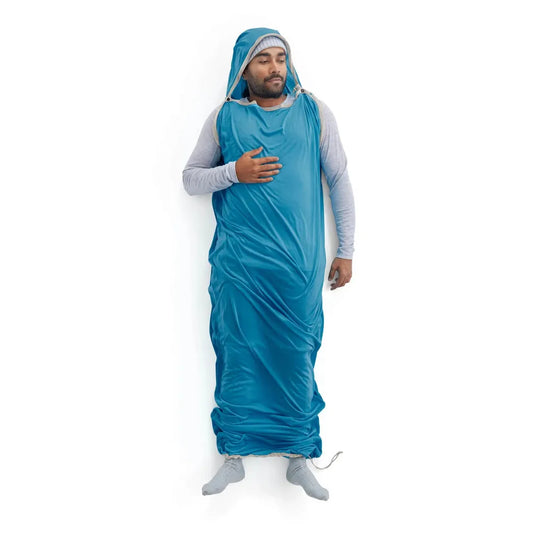
Using a Sleeping Bag Liner to Extend Your Season
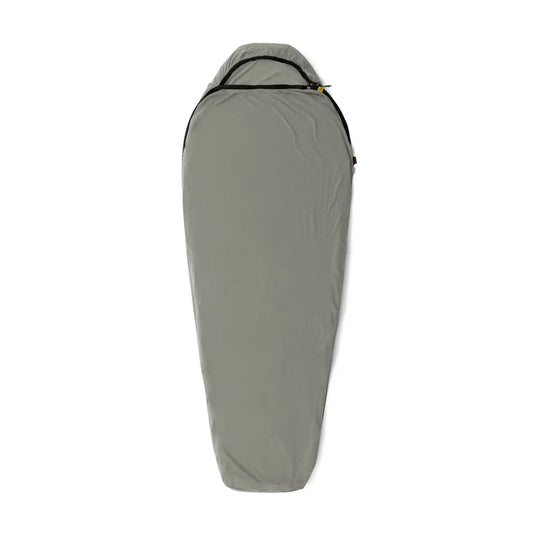
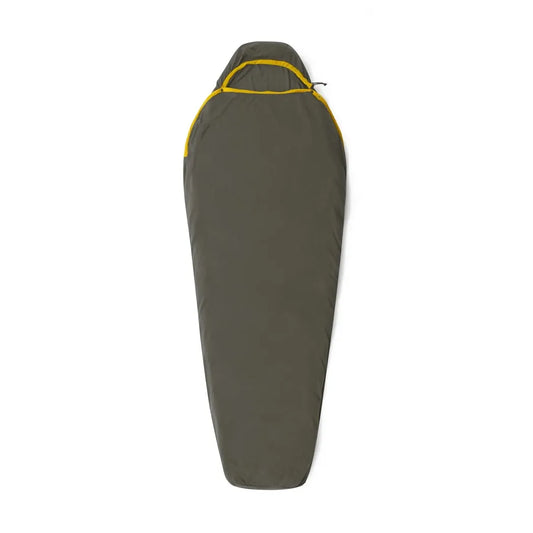
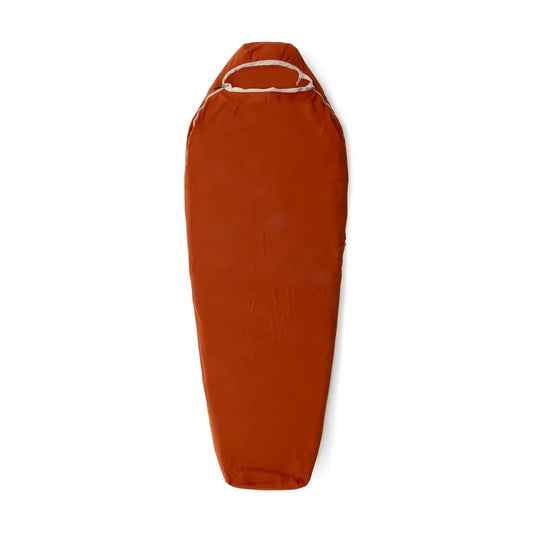
A sleeping bag liner is one of the most cost-effective tools in any camper's gear kit. A quality liner adds between 5 and 15 degrees Fahrenheit to the effective temperature rating of any camping sleeping bag without requiring a new bag purchase. This works with any camping sleeping bags already in your kit.
A 30°F bag paired with a thermal liner performs reliably in conditions down to 15 to 20°F, effectively converting a 3-season bag into a cold weather option. Liners also protect the interior of your bag from body oils and dirt, extending the life of the bag between washes. Browse our sleeping bag liners collection for liner options matched to the bags in our lineup.
Types of Camping Sleeping Bags in Our Collection
Our sleeping bags for camping are organized by temperature range and use case to help you find the right bag without sorting through specs you do not need. Here is what we carry and who each category suits.
Summer Camping Sleeping Bags (40°F and Above)
Summer camping sleeping bags prioritize breathability and light weight over maximum warmth. Rated at 35°F to 45°F, these bags handle warm-weather camping from May through September in most of the eastern United States.
Rectangular and semi-rectangular shapes are most common in this range, giving warm-weather sleepers the room they want on mild nights. Synthetic fill is practical here since cost, durability, and easy washing matter more than weight at this temperature range.
3-Season Camping Sleeping Bags (15°F to 35°F)
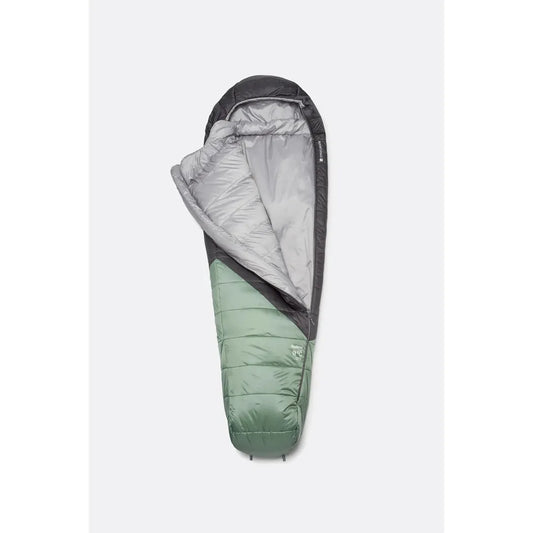
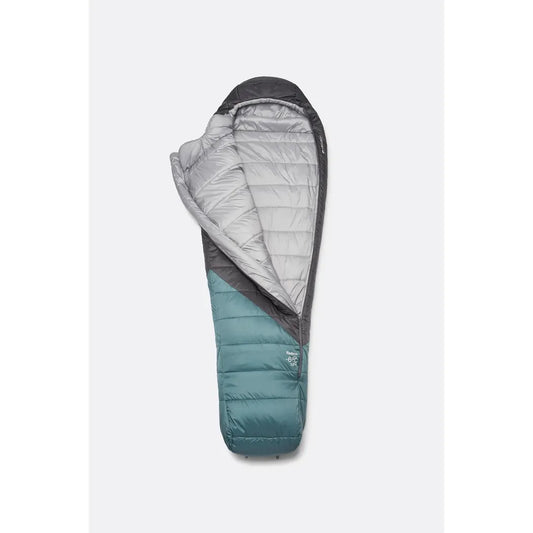
The 3-season range is the most versatile and most purchased category of the best sleeping bags for camping. Rated between 15°F and 35°F, these bags cover the majority of spring, summer, and fall camping conditions across the Appalachian region. Most serious campers and backpackers carry a bag in this range as their primary sleeping bag. Both down and synthetic options are widely available, with the insulation choice driven by the humidity and moisture conditions covered in the section above.
Cold Weather and Winter Sleeping Bags (Below 15°F)
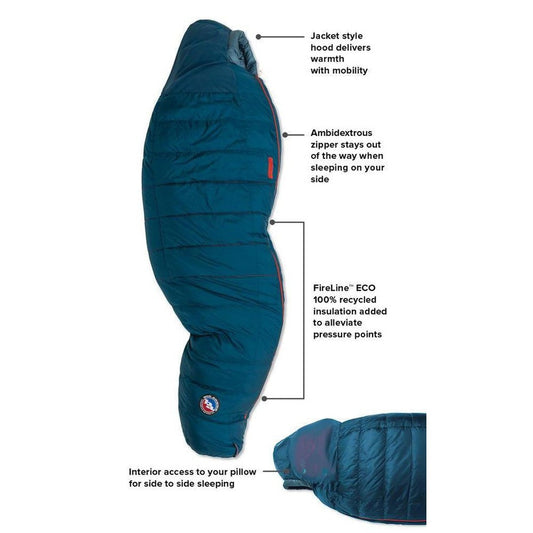
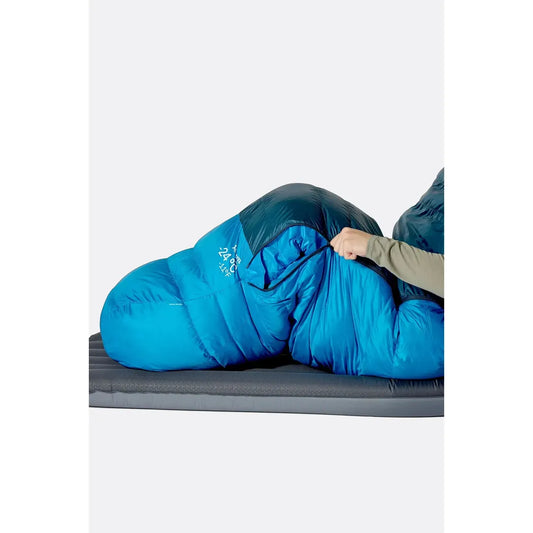
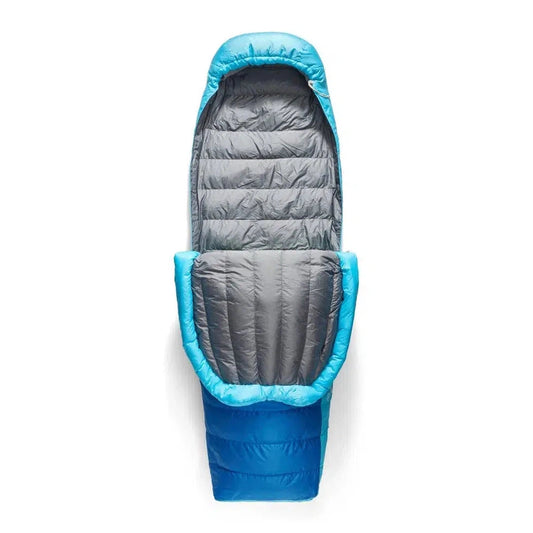
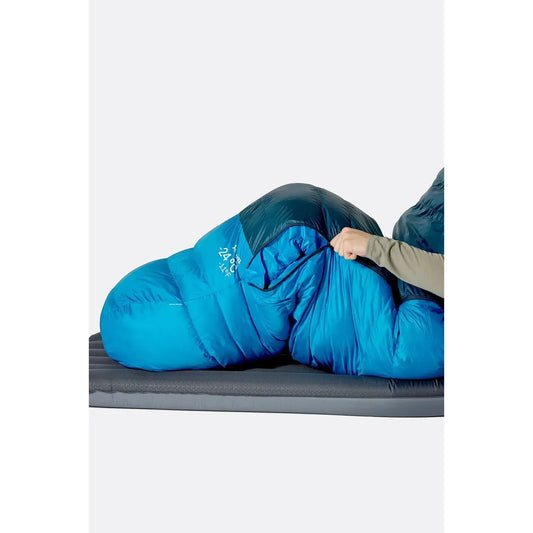
The best sleeping bags for cold weather camping are rated at 15°F or lower, with serious winter bags reaching 0°F and below. These camping sleeping bags use mummy construction to eliminate heat loss, high-loft down or heavy synthetic fills for maximum warmth, and features like draft collars, zipper draft tubes, and insulated hoods that seal heat inside the bag.
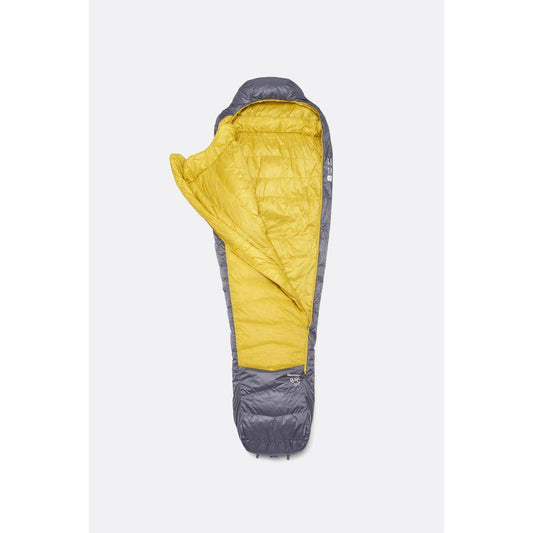
Browse our down sleeping bags collection for our full selection of cold weather and winter-rated bags from brands including Rab, Sea to Summit, and others.
Our Best-Selling Camping Sleeping Bags
These are the camping sleeping bags our customers reach for most across every season. Here is our breakdown, organized by how and where they camp.
- 20°F down sleeping bags: the most popular category in our camping sleeping bags lineup, offering the best warmth-to-weight ratio for 3-season backpacking and cold-night car camping.
- 30°F synthetic sleeping bags: reliable all-purpose camping sleeping bags for spring through fall use, especially well-suited to the humid conditions of the Appalachian region.
- Cold weather mummy bags rated to 0°F: the best sleeping bags for cold weather camping and winter overnight trips where reliable warmth matters more than packed weight.
- Sleeping bag liners: the most affordable way to extend the effective temperature rating of any bag you already own.
Browse the full sleeping bags camping collection above and filter by temperature rating, insulation type, and price.
Why Shop Camping Sleeping Bags at Appalachian Outfitters
Appalachian Outfitters is a specialty outdoor retailer built around the trails and terrain of the eastern United States. We stock the best camping sleeping bags for the conditions our customers actually camp in, selected by a team that understands the specific warmth and moisture demands of Appalachian hiking and camping.
- Expert-curated camping sleeping bags selection with brands including Rab, Sea to Summit, NEMO, and others chosen for accurate temperature ratings and durable construction.
- Appalachian terrain knowledge from a team that understands how regional humidity and seasonal conditions affect sleeping bag performance in the field.
- Gear pairing guidance to help you match your sleeping bag to a complete sleep system built for your trip conditions.
Frequently Asked Questions About Camping Sleeping Bags
These are the questions our customers ask most when shopping for camping sleeping bags. If your question is not covered here, our team is happy to help.
What temperature rating do I need for camping sleeping bags?
Choose a camping sleeping bag rated 10 to 15°F lower than the coldest overnight temperature you expect on your trips. For Appalachian fall camping where overnight lows reach 35 to 40°F, a 20°F bag provides reliable warmth with a meaningful margin. For summer camping where overnight temps stay above 50°F, a 35°F to 40°F bag handles most conditions without overheating.
Are down or synthetic sleeping bags better for camping?
Neither is universally better. Down camping sleeping bags are lighter, more compressible, and warmer for their weight in dry conditions. Synthetic sleeping bags for camping perform better in wet and humid conditions because they retain warmth when damp and dry faster. For Appalachian region camping in spring and fall, synthetic or hydrophobic down is often the more reliable choice due to persistent trail humidity.
What is fill power and why does it matter?
Fill power measures the loft of one ounce of down in cubic inches. Higher fill power means the down is more efficient at trapping air, resulting in a lighter and more compressible sleeping bag at a given temperature rating. For car camping sleeping bags, fill power between 550 and 650 offers good warmth at lower cost. For backpacking sleeping bags where weight and pack size matter, 700-fill and above delivers meaningful advantages.
How do I know if a camping sleeping bag will keep me warm enough?
Match the bag's comfort rating to the lowest temperature you expect rather than its lower limit rating. Add a sleeping pad with an appropriate R-value since ground cold accounts for a large portion of total heat loss. If you run cold or camp in humid conditions, buy a bag rated warmer than you think you need. A sleeping bag liner adds 5 to 15°F to any camping sleeping bag if you need more warmth without buying a new bag.
How should I store my camping sleeping bag?
Store camping sleeping bags loosely in a large mesh or cotton storage sack rather than compressed in a stuff sack. Long-term compression degrades both down and synthetic insulation by permanently reducing loft. Clean the bag at the end of the season before storing to prevent body oils and dirt from breaking down the fill over time.
The right camping sleeping bag makes every night outdoors genuinely restorative regardless of the temperature outside. Explore our full collection above, filter by temperature rating and insulation type, and reach out if you need help matching a bag to your specific trips and conditions. Good sleep starts with the right gear.

 Sale
Sale
 Sold out