-
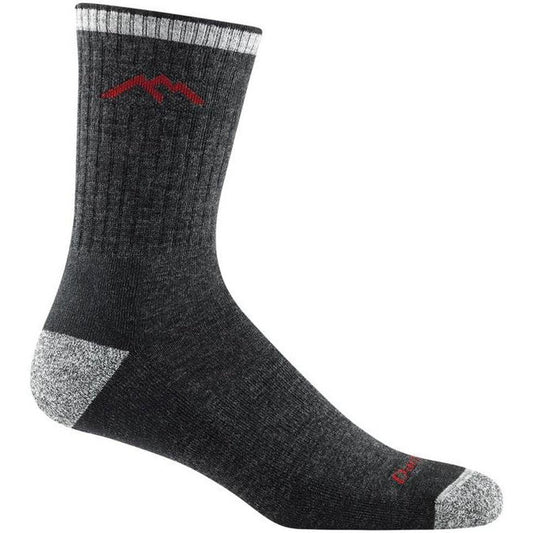
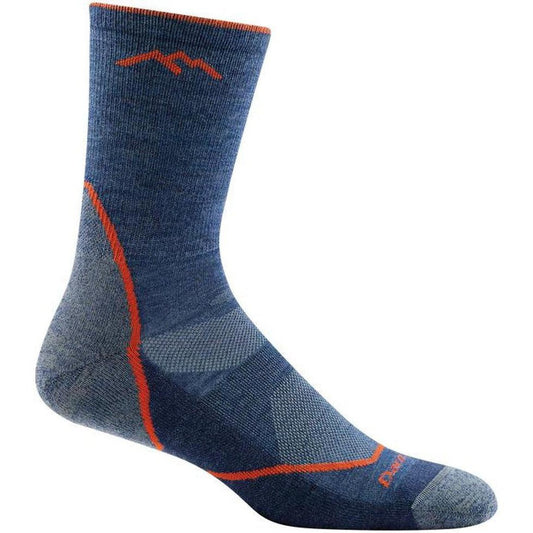
Darn Tough Men's Hiker Micro Crew Midweight with Cushion
Regular price From $13.00Unit price perRegular price $26.00Sale price From $13.00Sale -
FITS Light Hiker Crew - Stand Fir
Regular price $16.25Unit price perRegular price $25.00Sale price $16.25Sale -
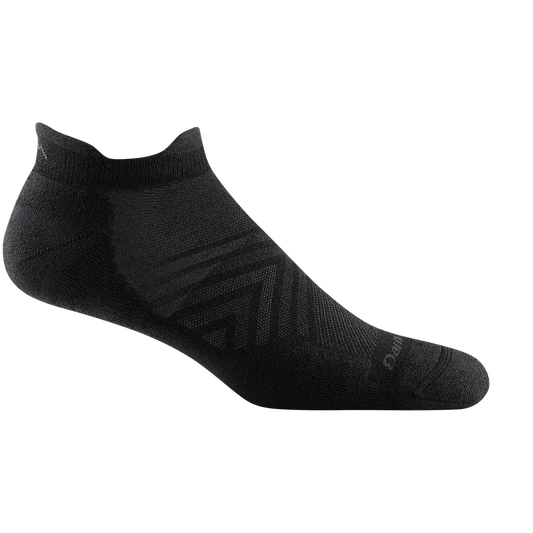
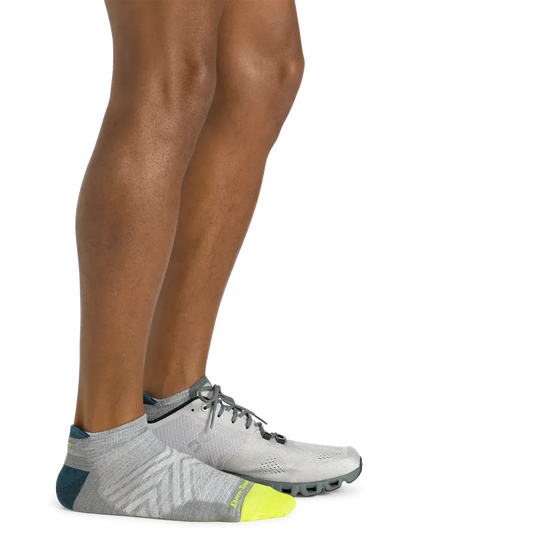
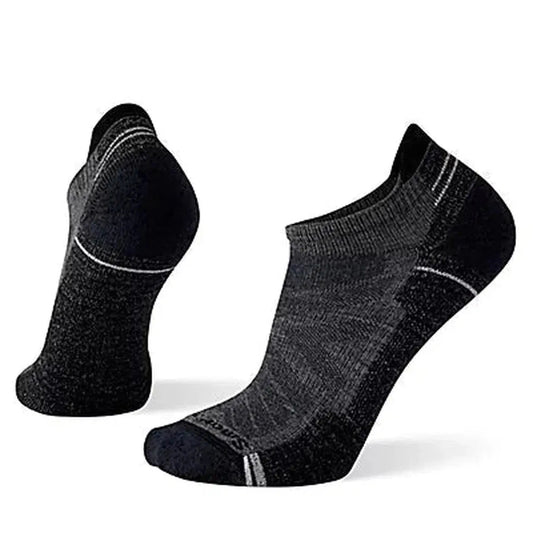
Darn Tough Men's Run No Show Tab Ultra-Lightweight Running Sock
Regular price $20.00Unit price perRegular priceSale price $20.00 -
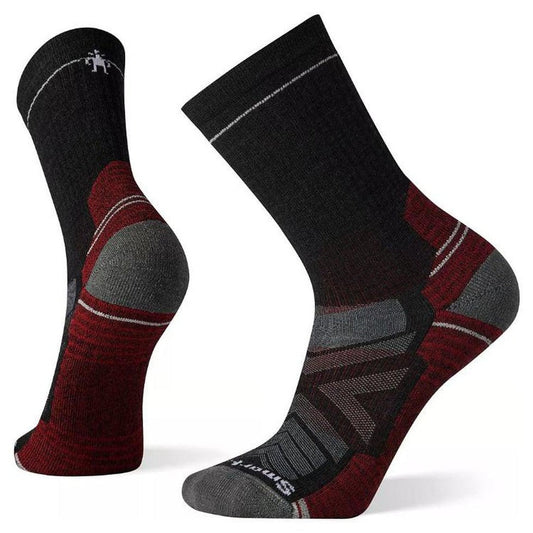
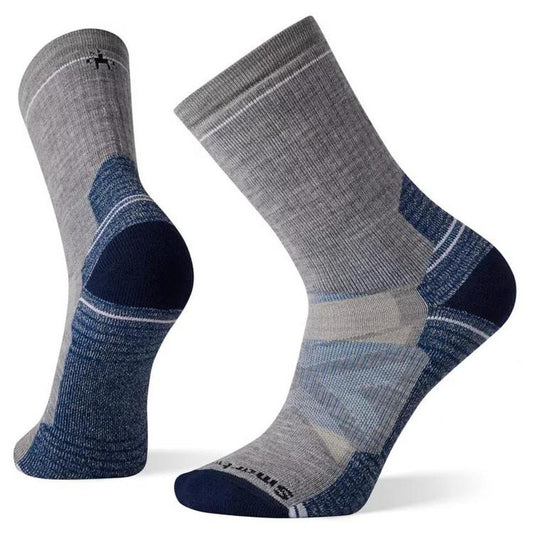
Smartwool Performance Hike Light Cushion Crew
Regular price From $16.25Unit price perRegular price $25.00Sale price From $16.25Sale -
Smartwool Everyday Cushion No Show Socks
Regular price $19.00Unit price perRegular priceSale price $19.00 -
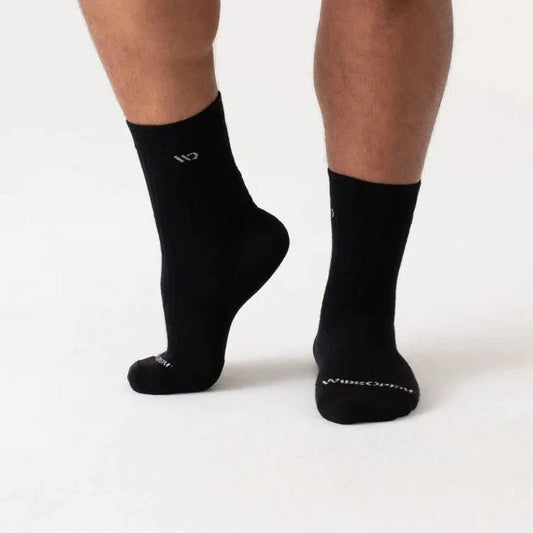
Wide Open Men's Solid Cushioned Micro Crew Socks
Regular price $25.00Unit price perRegular priceSale price $25.00 -
Darn Tough Hiker 1/4 Midweight with Cushion
Regular price $23.00Unit price perRegular priceSale price $23.00 -
Darn Tough Men's Light Hiker Micro Crew Lightweight with Cushion
Regular price $25.00Unit price perRegular priceSale price $25.00 -
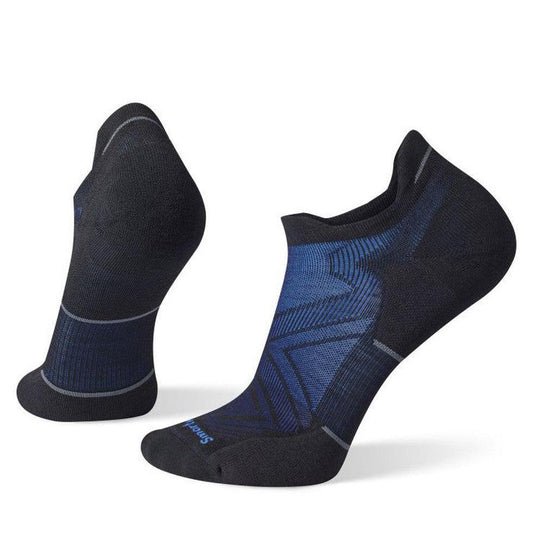
Smartwool Run Targeted Cushion Low Ankle Socks
Regular price From $14.25Unit price perRegular price $19.00Sale price From $14.25Sale -
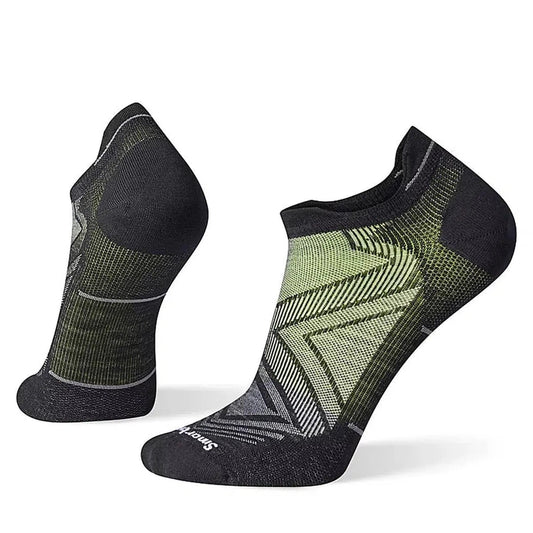
Smartwool Run Zero Cushion Low Ankle Socks
Regular price From $13.50Unit price perRegular price $18.00Sale price From $13.50Sale -
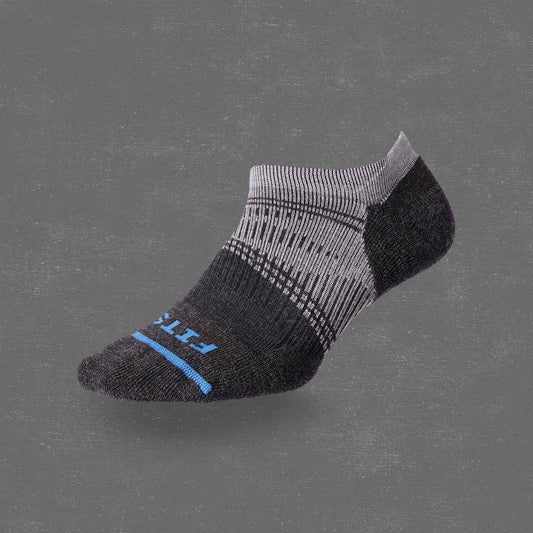
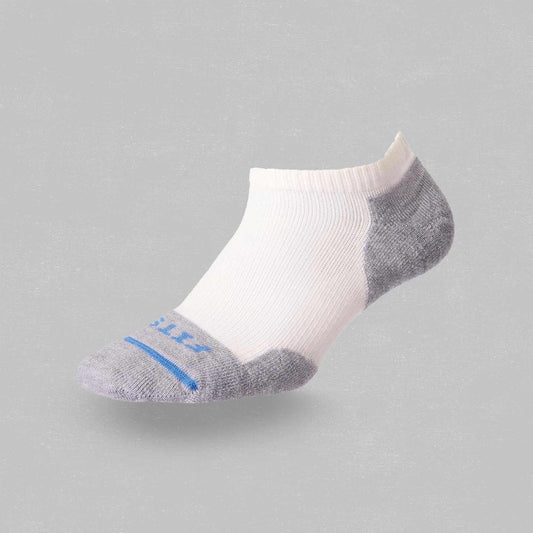
FITS Light Cushion Run No Show
Regular price $13.65Unit price perRegular price $21.00Sale price $13.65Sale -
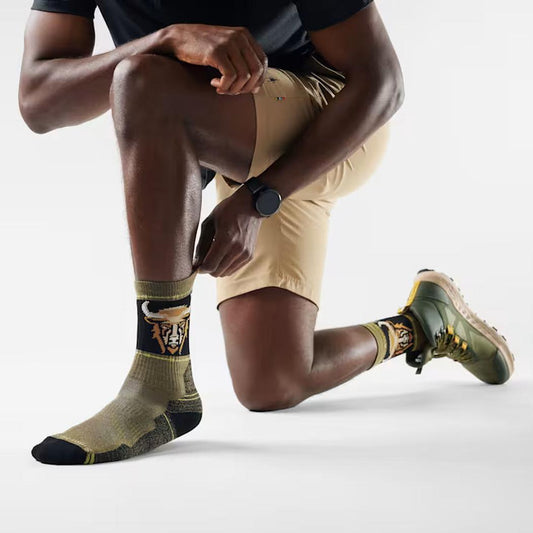
Smartwool Hike Light Cushion Bision Crew Socks
Regular price $25.00Unit price perRegular priceSale price $25.00 -
Smartwool Hike Targeted Cushion Low Ankle Socks
Regular price $21.00Unit price perRegular priceSale price $21.00 -
Darn Tough Men's Run No Show Tab Ultra-Lightweight Running Socks
Regular price $18.00Unit price perRegular priceSale price $18.00 -
FITS Light Runner Low
Regular price $21.00Unit price perRegular priceSale price $21.00 -
Smartwool Performance Hike Light Cushion Ankle
Regular price From $17.25Unit price perRegular price $23.00Sale price From $17.25Sale -
FITS Light Cushion Hiker Quarter - Crestone
Regular price $14.30Unit price perRegular price $22.00Sale price $14.30Sale -
Smartwool Performance Hike Light Cushion Low Ankle
Regular price From $15.00Unit price perRegular price $20.00Sale price From $15.00Sale -
Smartwool Performance Hike Full Cushion Crew
Regular price $27.00Unit price perRegular priceSale price $27.00 -
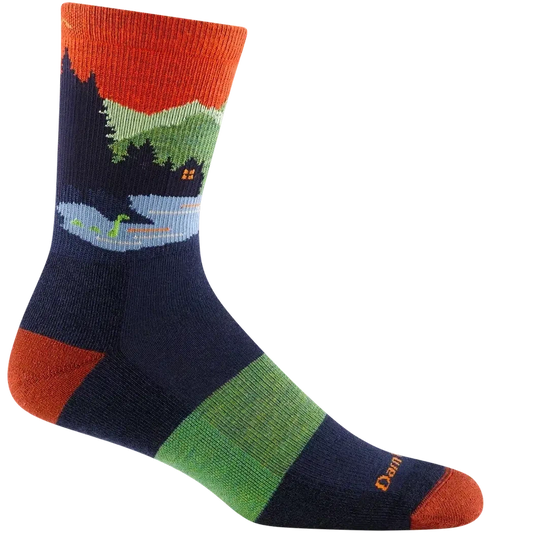
Darn Tough Men's Close Encounters Micro Crew Midweight with Cushion
Regular price $26.00Unit price perRegular priceSale price $26.00 -
Wide Open Men's Solid Lightweight Crew Socks
Regular price $23.00Unit price perRegular priceSale price $23.00 -
FITS Light Hiker Crew
Regular price $25.00Unit price perRegular priceSale price $25.00 -
Smartwool Classic Hike Full Cushion Crew
Regular price $23.00Unit price perRegular priceSale price $23.00 -
Smartwool Classic Hike Light Cushion Crew
Regular price $21.00Unit price perRegular priceSale price $21.00





















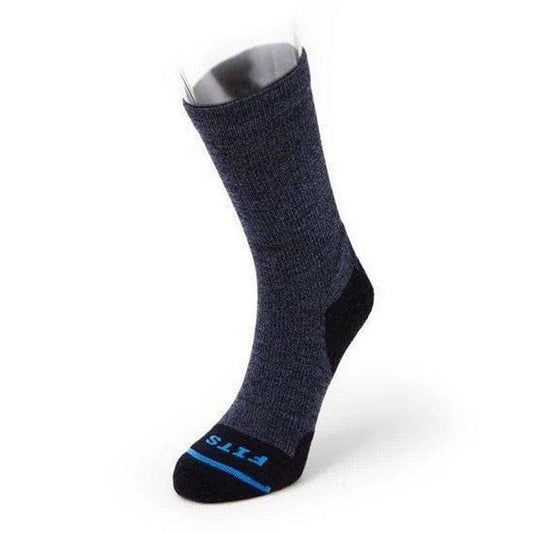

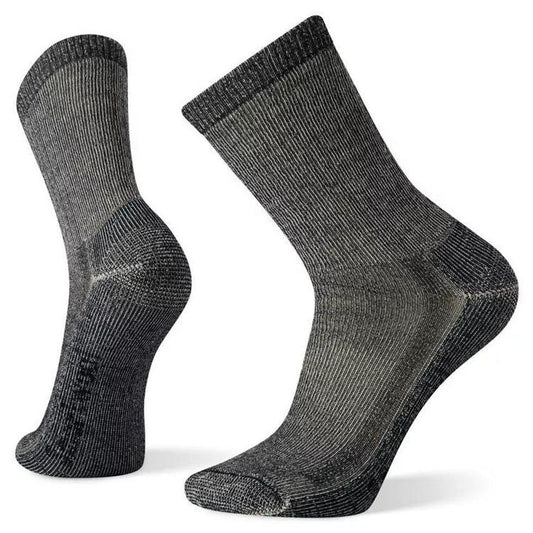

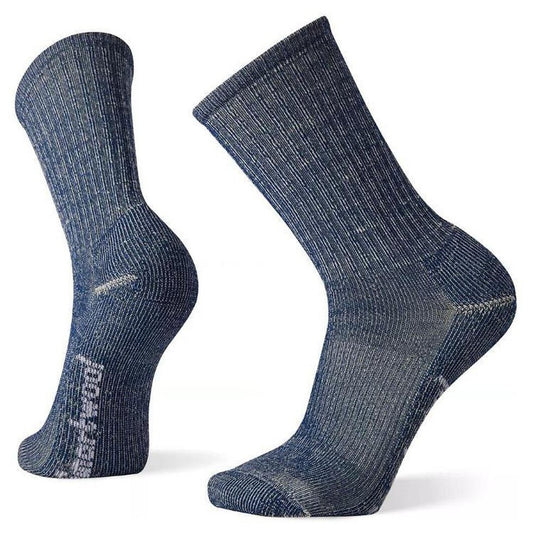
You invested $200 in premium hiking boots after careful fitting sessions, selected moisture-wicking base layers, and packed your technical backpack with precision. Yet three miles into your hike, hot spots emerge on your heels and pressure points throb beneath your arches. The problem isn't your expensive boots—it's the generic cotton socks you grabbed from your dresser drawer without consideration. Most hikers dramatically underestimate how profoundly sock quality impacts foot comfort, blister prevention, and overall hiking enjoyment. The right men's hiking socks transform your boots from sources of pain into comfortable companions supporting miles of adventure. At Appalachian Outfitters, we've witnessed countless men eliminate chronic foot problems simply by upgrading their sock game with properly engineered options designed specifically for trail demands rather than everyday casual wear.
Why Generic Socks Sabotage Your Hikes
Cotton socks represent hiking's most common preventable mistake, creating ideal conditions for blister formation through moisture retention and friction generation. Cotton fibers absorb sweat readily but dry slowly, keeping your feet damp throughout entire hiking days. This persistent moisture softens skin, reducing its resistance to friction forces generated by every footstrike. Meanwhile, wet cotton loses structural integrity, bunching and sliding inside boots to create wrinkles and pressure points that become painful blisters within surprisingly few miles. The old hiking adage "cotton kills" applies primarily to hypothermia risks, but cotton socks genuinely destroy feet during extended trail time.
Beyond moisture problems, generic socks lack strategic cushioning protecting high-impact zones from repetitive compression trauma. Your heel strikes thousands of times during typical day hikes, concentrating force into small areas that basic sock padding cannot adequately protect. Ball-of-foot impact during uphill climbs and toe pressure during descents demand targeted cushioning that general-purpose socks simply don't provide. The absence of arch support allows feet to fatigue prematurely as soft tissues strain supporting your entire body weight without assistance. These cumulative deficiencies explain why experienced hikers consider quality socks essential gear rather than optional accessories. Coordinate premium socks with properly fitted men's boots for comprehensive foot support systems.
Premium Hiking Sock Technology
Merino Wool Excellence
Merino wool hiking socks deliver performance characteristics that synthetic alternatives struggle matching, starting with natural temperature regulation keeping feet comfortable across surprising temperature ranges. The fibers create insulating air pockets trapping warmth during cold conditions while wickedly moisture away from skin when feet heat up, providing thermoregulation that adapts to changing conditions throughout hiking days. This versatility means single sock pairs serve adequately from spring through fall rather than requiring seasonal-specific options filling your gear closet.
The antimicrobial properties inherent to merino wool prevent odor-causing bacteria from colonizing sock fibers even during multi-day trips without washing opportunities. You can wear quality merino socks multiple consecutive days without developing the overwhelming foot odor that synthetic socks generate after single uses. This characteristic proves invaluable for backpacking trips where pack weight limits carrying multiple sock pairs. The Smartwool Hike Light Cushion Crew exemplifies premium merino construction, combining natural fiber benefits with strategic cushioning and targeted ventilation zones. Natural elasticity helps merino socks maintain shape through countless wash cycles, avoiding the sagging and looseness that ruins synthetic socks prematurely. Browse our complete Smartwool collection for additional merino wool options.
Advanced Synthetic Blends
Modern synthetic hiking socks utilize engineered fiber blends optimizing specific performance characteristics that pure natural materials cannot achieve alone. Polyester and nylon combinations dry faster than merino wool, benefiting hikers crossing streams frequently or encountering unexpected rain showers during day hikes. The quick-dry properties prevent that clammy discomfort accompanying wet wool, though synthetics lack merino's temperature regulation finesse. Strategic blending incorporates small merino percentages capturing some natural benefits while maintaining synthetic advantages—creating hybrid socks balancing multiple performance priorities.
Spandex or elastane additions provide compression and shape retention ensuring socks stay positioned correctly inside boots throughout demanding hiking days. This secure fit eliminates the bunching and sliding that creates friction hotspots leading to blisters. The Smartwool Performance Hike Light Cushion Crew demonstrates excellent synthetic-merino blending, delivering moisture management and durability improvements over pure wool while retaining comfortable feel and odor resistance. Synthetic fibers typically cost less than premium merino, making quality hiking socks more accessible to budget-conscious hikers without completely sacrificing performance. However, the longevity advantage pure merino provides often justifies higher initial investment through extended replacement intervals. Coordinate with appropriate men's footwear for complete trail readiness.
Strategic Cushioning and Construction
Premium hiking socks incorporate zone-specific cushioning concentrating padding where impact forces peak while maintaining breathability elsewhere. Heel and ball-of-foot cushioning absorbs repetitive compression preventing bruising and discomfort during long descents hammering these high-stress areas. Shin and ankle padding protects against boot cuff rubbing that creates painful abrasions during steep climbs when you're flexing ankles aggressively with each uphill step. However, excessive all-over cushioning creates bulk that restricts circulation and generates excessive heat—explaining why targeted cushioning outperforms uniform padding throughout entire sock construction.
Seamless toe closures prevent the irritating seam lines found in cheap socks from creating pressure points that become blisters after hours of hiking. Hand-linked toe seams lie completely flat against skin, eliminating this common friction source that ruins otherwise comfortable hiking experiences. Mesh ventilation panels positioned strategically across foot tops and between toes enhance breathability without compromising structural integrity or cushioning protection. These seemingly minor construction details separate premium socks from basic alternatives, delivering comfort differences that become dramatically apparent during full-day hikes or multi-day backpacking adventures. The Darn Tough Hiker Micro Crew Midweight showcases exceptional construction quality with their famous lifetime guarantee backing performance claims. Explore our Darn Tough collection for unconditionally guaranteed options.
Selecting Your Perfect Hiking Socks
Height Options for Different Adventures
Crew-height socks extending several inches above boot cuffs provide maximum protection against debris infiltration, boot cuff rubbing, and lower leg exposure to brush and insects encountered on overgrown trails. This extra coverage proves particularly valuable during bushwhacking adventures or when hiking through tick-prone areas where preventing insect access to skin matters significantly. The additional material creates slight weight penalty and potentially warmer wear during hot weather, but many hikers accept these trade-offs favoring comprehensive protection over minimal weight.
Quarter-height socks ending just above ankle bones offer lighter weight and better ventilation suiting hot weather hiking or trail runners preferring minimal coverage. These work well with low-cut hiking shoes rather than traditional boots, though they leave lower legs more exposed to scratches from trailside vegetation. No-show and ankle socks represent the minimalist extreme, providing basic protection with maximum breathability for summer day hiking in well-maintained trail conditions. However, these ultra-low options increase blister risk around ankle areas where boots contact skin directly without sock barrier protection. Coordinate sock height with your hiking footwear style for optimal comfort and protection.
Weight Classifications Explained
Ultralight or lightweight socks utilize thin materials prioritizing breathability and minimal bulk for summer hiking, trail running, or anyone whose feet naturally run hot. These provide basic moisture management and light cushioning without the heat retention heavier options generate during warm weather activities. They're ideal for well-maintained trails where minimal padding suffices and temperature regulation matters more than maximum impact protection. However, lightweight socks offer less durability than heavier alternatives, requiring more frequent replacement especially among heavy hikers covering substantial weekly mileage.
Midweight socks represent the versatile middle ground serving three-season hiking adequately with moderate cushioning balancing comfort against heat management. Most recreational hikers find midweight options their go-to choice handling spring through fall conditions without seasonal sock rotation. These work well for typical day hiking carrying light to moderate pack weights on established trails with variable terrain. Heavyweight or expedition-weight socks deliver maximum cushioning and insulation for winter hiking, heavy backpacking carrying substantial loads, or anyone with sensitive feet requiring extra protection. The Smartwool Classic Hike Full Cushion Crew provides excellent cold-weather protection with comprehensive padding throughout. The additional bulk requires boots sized accommodating thicker socks—another reason proper boot fitting involves wearing your intended hiking socks during the selection process.
Proper Sizing for Blister Prevention
Hiking socks sized too large bunch and slide inside boots creating the friction hotspots that cause blisters regardless of how premium the sock materials and construction might be. This excess material folds over itself during hiking movement, creating wrinkles and pressure points that abrade skin throughout hiking days. Conversely, socks sized too small restrict circulation, compress toes painfully, and stretch excessively losing their cushioning effectiveness and shape-retention properties. The tension from overstretched fabric pulls against skin increasing friction rather than reducing it as properly fitted socks accomplish.
Quality hiking sock manufacturers provide detailed sizing charts correlating shoe sizes with appropriate sock dimensions, though individual fit preferences introduce some variability. Some men prefer slightly snugger fits ensuring minimal movement, while others favor marginally looser options providing more circulation and comfort during feet swelling that commonly occurs during long hiking days. The best approach involves trying socks on with your actual hiking boots, walking around stores checking for any bunching, sliding, or pressure points before committing to purchases. Our staff assists with these fitting sessions, helping you identify problems before they become trail blisters ruining weekend adventures. Complete your hiking outfit with appropriate men's clothing and accessories for comprehensive trail comfort.
The Appalachian Outfitters Fitting Advantage
We maintain comprehensive hiking sock inventories spanning budget-friendly options for occasional hikers through premium merino and guaranteed-for-life alternatives for serious enthusiasts logging hundreds of annual trail miles. This selection ensures appropriate choices regardless of hiking frequency, foot sensitivity, or performance priorities. Our expert staff has personally tested most options we stock, providing genuine insights beyond what manufacturer marketing materials convey. We'll discuss your typical hiking conditions, boot types, and any existing foot problems before recommending appropriate sock options tailored to your specific needs.
Many customers discover they've been fighting preventable blister problems for years simply because they didn't realize how dramatically proper socks impact foot comfort. Our recommendations based on decades of combined outdoor experience introduce them to solutions genuinely eliminating chronic issues rather than merely providing marginal improvements. We stock multiple sock weights and heights from each major brand, allowing you to compare options directly and make informed decisions about which characteristics matter most for your particular hiking style. This hands-on approach beats online shopping where you're guessing based on product descriptions without tactile feedback about actual materials, cushioning levels, and construction quality. Coordinate with quality men's insoles for complete foot support optimization.
Step Into Superior Comfort
Quality men's hiking socks represent one of the most cost-effective performance upgrades available to outdoor enthusiasts, typically delivering comfort improvements far exceeding their modest investment. We've examined how proper sock selection eliminates moisture problems causing blisters, provides strategic cushioning protecting high-impact zones, and delivers the durability justifying premium pricing through extended service life. From lightweight summer options through heavyweight winter alternatives, our comprehensive selection ensures appropriate choices for every season and activity level.
Stop accepting foot pain as inevitable hiking reality and discover how engineered socks transform your trail experience from endurance test to genuine enjoyment. Visit Appalachian Outfitters to explore our complete selection of moisture-wicking socks, durable hiking socks, and wool hiking socks for men from trusted manufacturers including Smartwool, Darn Tough, and other leading brands. Our knowledgeable staff provides expert fitting assistance, explains construction differences affecting performance and longevity, and helps you select appropriate weights and heights for your specific hiking style.
Complete your hiking readiness with our curated collections including hiking boots, trekking poles reducing joint stress, backpacks for gear transport, base layers for temperature regulation, and jackets and vests for weather protection. For comprehensive foot care strategies and blister prevention techniques, explore our blog featuring expert advice on protecting your feet during long hikes. Trust Appalachian Outfitters for high-quality men's socks, wool hiking socks, and moisture-wicking options supporting your adventures across countless trail miles ahead.