BANDANAS & HEADBANDS | VERSATILE OUTDOOR HEADWEAR
Keep hair managed and sun off your neck during outdoor adventures. Our collection of bandanas and headbands combines functional performance with versatile style for hiking, running, and everyday wear. From moisture-wicking fabrics to classic cotton designs, find headwear that works multiple ways whether you're on the trail or around town. Discover comfortable, durable options built for active lifestyles.
Why Bandanas and Headbands Matter for Outdoor Activities
The right headwear transforms outdoor comfort. Beyond keeping hair controlled, quality bandanas and headbands protect against sun exposure, manage moisture, and provide warmth during shoulder seasons.
Functional Benefits: Bandanas and headbands serve multiple purposes on the trail. They keep sweat from dripping into eyes during strenuous climbs, protect necks from sunburn during exposed ridge walks, and provide extra warmth when temperatures drop unexpectedly. The versatility means carrying one lightweight item instead of multiple specialized pieces in your pack.
Activity Performance: During high-output activities like trail running or steep ascents, moisture management becomes critical. Quality headbands wick perspiration away from skin while maintaining breathability. Traditional bandanas offer similar benefits when worn as headbands, plus the flexibility to shift between wearing styles as conditions change throughout your adventure.
Everyday Versatility: Beyond trail use, these accessories transition seamlessly to casual wear. The same bandana protecting your neck during a morning hike works as a stylish hair accessory for afternoon errands. This multi-purpose nature makes bandanas and headbands essential additions to active wardrobes.
Types of Bandanas and Headbands
Understanding the differences between styles helps you choose options matching your specific activities and preferences for outdoor headwear.
Traditional Bandanas
Square cotton cloths typically measuring 20-22 inches that fold and tie into numerous configurations. Classic bandanas offer maximum versatility since you control the style through different folding and tying methods.
Best for: Hiking, camping, travel, anyone wanting maximum versatility from a single item. Traditional bandanas work under helmets, as neck gaiters, sweatbands, or even emergency first aid supplies during outdoor activities.
Material: Usually 100% cotton or cotton blends. Cotton breathes well and softens with washing but takes longer to dry when soaked. Some outdoor-specific bandanas use quick-dry synthetic blends for improved performance on multi-day trips.
Considerations: Requires tying, which some find inconvenient for quick adjustments. Knots can slip during vigorous activity. Multiple uses mean you might want several bandanas in your pack rotation.
Elastic Headbands
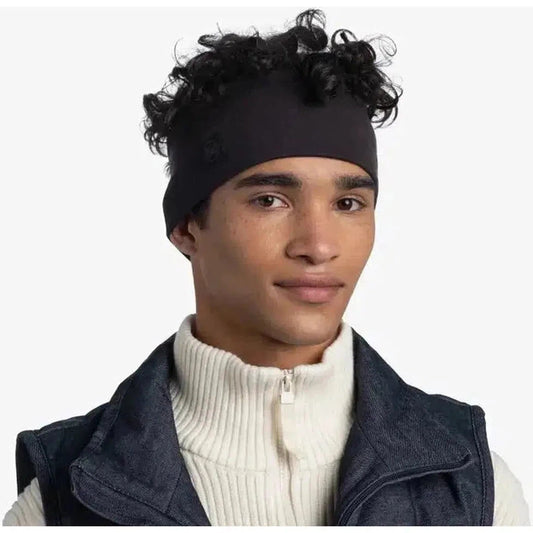
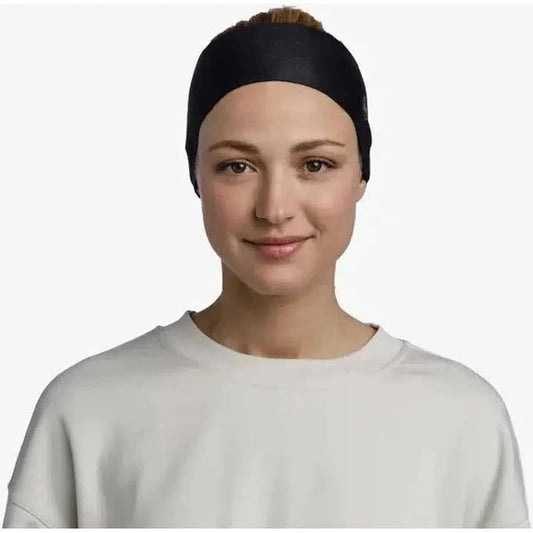
Stretchy fabric bands that slip on without tying. These stay-put designs work well for activities where you don't want to fuss with readjustments during trail runs or intense workouts.
Best for: Running, cycling, gym workouts, sports activities, anyone preferring hassle-free wear. Elastic headbands excel during high-movement activities where traditional tied styles might slip or require constant adjustment.
Material: Usually synthetic moisture-wicking fabrics or cotton-elastic blends. Width varies from thin athletic bands to wide fashion-forward styles suitable for both trail and town wear.
Considerations: Less versatility than traditional bandanas since they serve primarily as headbands. However, the convenience and secure fit during activity often outweighs single-purpose limitation for dedicated athletes.
Hybrid Designs
Bandana-style headbands featuring elastic backs with decorative front panels. These combine bandana aesthetics with headband convenience for people wanting both style and function.
Best for: Casual wear, moderate activity, style-conscious outdoor enthusiasts, transitioning between trail and town without changing accessories.
Material: Front panels typically cotton or cotton blends with elastic backs. Some hybrid bandanas and headbands include moisture-wicking treatments for improved performance during active use.
Considerations: Slightly less versatile than full bandanas but more secure than tied options. Generally more expensive than basic bandanas or simple headbands due to construction complexity.
Choosing Your Bandanas and Headbands
Selecting appropriate headwear depends on your primary activities, wearing preferences, and how much versatility you value in outdoor accessories.
Match to Your Activity
Hiking and Backpacking: Traditional bandanas offer unmatched versatility for changing trail conditions. Start with it as a headband for sun protection, shift to neck coverage during exposed sections, dampen for cooling during hot climbs, and use as a washcloth at camp. Choose quick-dry synthetic bandanas or lightweight cotton for multi-day trips.
Trail Running: Elastic moisture-wicking headbands stay secure during bouncing strides without requiring adjustment. Look for thin, breathable styles that don't add bulk under running caps. Avoid thick cotton headbands that become heavy when saturated with sweat.
Casual Hiking and Walking: Either bandanas or headbands work well for moderate outdoor activities. Choose based on whether you prefer set-it-and-forget-it convenience with elastic bands or adaptability with traditional bandanas. Consider patterns and colors that work with multiple outfits for versatile everyday wear.
Multi-Day Trips: Pack both styles of bandanas and headbands for maximum flexibility. Use quick-dry elastic bands during active days and bring one traditional cotton bandana for camp use as washcloth, towel, or pot holder. Complete your outdoor headwear collection with quality mens hats and womens hats designed to work seamlessly with bandanas for comprehensive sun protection.
Material Considerations
Cotton: Traditional choice offering soft comfort and breathability in bandanas and headbands. Cotton feels pleasant against skin and improves with repeated washing. However, cotton absorbs moisture and dries slowly, making it less ideal for activities generating heavy sweat. Works beautifully for moderate hiking, casual wear, and situations where quick-dry properties aren't critical.
Synthetic Moisture-Wicking: Modern polyester or nylon blends pull sweat away from skin and dry remarkably fast. Essential for high-output activities, hot conditions, or multi-day trips where washing and drying overnight matters. Trade-off for moisture-wicking headbands: slightly less soft than cotton and may retain odors more readily.
Cotton-Synthetic Blends: Middle ground providing some cotton softness with improved moisture management in bandanas and headbands. Good all-around choice for varied activities. Many outdoor brands use these blends in their headwear designed specifically for active use on trails.
Size and Fit Considerations
Bandana Size: Standard 22x22 inch bandanas suit most adults for all uses. Smaller 18x18 inch versions work for children or anyone preferring less bulk when tied. Larger bandanas offer more coverage options but can feel excessive for simple headband use during outdoor activities.
Headband Width: Thin athletic headbands measuring 1-2 inches work well under helmets or caps. Wide fashion headbands spanning 3-4 inches provide more coverage and make stronger style statements. Consider where you'll wear bandanas and headbands and whether additional accessories like hats or sunglasses will layer over them.
Elastic Fit: Quality elastic headbands include enough stretch to accommodate different head sizes without feeling tight. Too-loose bands slip during activity while too-tight options cause headaches during extended wear. Look for adjustable options or try before committing if possible.
Styling and Wearing Methods
Bandanas and headbands offer numerous wearing options beyond basic headband placement, making them versatile accessories for any outdoor adventure.
Classic Headband: Fold bandana into 2-3 inch wide strip and tie at back of head or nape of neck. Covers forehead and keeps hair back during hiking or running. Adjust tightness by re-tying as needed throughout your activity.
Neck Gaiter: Fold bandanas into triangle and tie loosely around neck with point hanging down back. Protects neck from sun exposure and provides cooling when dampened during hot trail sections.
Pirate Style: Cover entire head by placing bandana flat on head with point forward, then tie remaining two corners at back. Full head coverage useful in intense sun during exposed ridge walks or desert hiking.
Desert Style: Cover head and neck by draping bandana over head and securing with second band or hat. Provides maximum sun and wind protection for extreme conditions on trail.
Wristband: Tie bandanas around wrist as sweat-wiper during activities. Convenient for quick brow-wiping without carrying extra towel in your pack.
Face Cover: Fold into triangle and tie around face covering nose and mouth. Useful for dusty trails or as improvised wind protection during unexpected weather changes.
Care and Maintenance
Proper care extends the lifespan of your bandanas and headbands while maintaining performance through seasons of outdoor use.
Washing Cotton: Machine wash cold with like colors for cotton bandanas and headbands. Cotton softens with repeated washing. Avoid fabric softeners if treated with any water-repellent or moisture-wicking finishes. Air dry or tumble low to prevent shrinkage that affects fit.
Washing Synthetic: Machine wash cold or warm depending on soil level for synthetic bandanas and headbands. Use minimal detergent as synthetic fabrics don't require much. Avoid fabric softener which reduces moisture-wicking performance critical for active use. Air dry preferred; synthetics dry quickly without heat.
Stain Removal: Sweat and sunscreen cause yellowing over time on bandanas and headbands. Pre-treat with oxygen-based stain remover before washing. For stubborn stains on white or light-colored items, soak in oxygen bleach solution overnight then wash normally.
Storage: Store bandanas and headbands clean and completely dry to prevent mildew. Fold loosely rather than tight rolling. Keep away from direct sunlight when not in use as UV exposure gradually fades colors and weakens fabrics over time.
Field Care: Rinse bandanas and headbands in streams or sinks after heavy sweat days on trail. Wring well and hang to dry. Most styles dry overnight when hung in open air. Dirty items work fine for trail use but wash thoroughly before storage to prevent odor buildup.
Why Shop Appalachian Outfitters
We select bandanas and headbands meeting outdoor performance standards while maintaining style versatility for everyday wear beyond the trail.
Quality Materials: Every item in our bandanas and headbands collection uses fabrics appropriate for active outdoor use. We stock quick-dry synthetics for serious trail use alongside classic cotton for those preferring traditional comfort. No cheaply-made options that fall apart after a few washes.
Tested Performance: Our team personally tests headwear during Appalachian adventures. We understand which bandanas and headbands stay secure during steep climbs, which materials dry fastest after unexpected rain, and which designs work comfortably under backpack straps during long trail days.
Versatile Selection: Our range includes options for purely functional outdoor use, stylish everyday wear, and hybrid designs bridging both purposes. Whether you need technical performance or casual style in bandanas and headbands, find appropriate choices without sorting through irrelevant fashion accessories.
Value Pricing: Quality bandanas and headbands shouldn't require premium pricing. Our selection offers genuine performance at accessible prices for people building complete outdoor wardrobes rather than buying single luxury pieces. Browse our full collection of outdoor mens accessories and womens accessories designed for active lifestyles.
Frequently Asked Questions
How do you wear a bandana as a headband?
Fold bandana into 2-3 inch strip, place across forehead, and tie at back of head or neck. Adjust tightness for comfort.
What's the difference between bandanas and headbands?
Bandanas are square cloths worn multiple ways through folding and tying. Headbands are pre-formed bands worn specifically around head without tying required.
Will headbands stay on during running or hiking?
Quality elastic headbands with proper fit stay secure during activity. Traditional bandanas need tight tying to avoid slipping during vigorous movement on trail.
Can men wear bandanas and headbands?
Absolutely. Both men and women wear bandanas and headbands for outdoor activities. Choose colors and patterns matching personal style preferences for any gender.
How do you wash bandanas?
Machine wash cold with like colors. Cotton can tumble dry low; synthetics air dry best. Avoid fabric softeners on moisture-wicking styles.
What size bandana should I buy?
Standard 22x22 inches suits most adults for all uses. Smaller 18x18 works for children or minimalist preferences. Larger provides more coverage options.
Conclusion
Don't let hair management or sun exposure limit your outdoor adventures. Quality bandanas and headbands provide versatile, comfortable protection for hiking, running, and everyday activities. Whether you prefer traditional bandana versatility or convenient elastic headband security, find durable, functional options built for active lifestyles. Explore our collection combining performance with style for headwear that works as hard as you do on the trail.

 Sold out
 Sold out
 Sold out
 Sold out
 Sold out
 Sold out
 Sold out
 Sold out
 Sold out
 Sold out
 Sold out
 Sold out
 Sold out
 Sold out
 Sold out
 Sold out