Camp Kitchen: Shop Outdoor Camping Kitchen Gear and Cooking Sets
A well-built camp kitchen turns mealtime from a chore into one of the best parts of any trip. Whether you are cooking for one on the Appalachian Trail or feeding a family at a drive-in campsite, the right outdoor camping kitchen gear makes every meal more reliable and more enjoyable. Our collection covers everything from ultralight backpacking stoves to full family camp kitchen sets built for serious outdoor cooking.
Shop Our Camp Kitchen Collection
Our camp kitchen collection brings together stoves, cookware, coolers, utensils, dishware, and food storage gear from trusted outdoor brands. Every item is selected for durability, packability, and real-world cooking performance across backcountry and campground use. Browse the full collection above or use the sections below to build your outdoor camp kitchen from the ground up.
Build Your Camp Kitchen Around How You Camp
The best camp kitchen setup is the one that fits your camping style, not the most expensive or gear-heavy option available. A solo backpacker needs a fundamentally different outdoor camping kitchen than a family of five at a campground. Starting with your camping profile eliminates guesswork and keeps your kit lean and functional.
Solo and Backpacking Camp Kitchen
A solo or backpacking camp kitchen lives and dies by weight and packed size. The core of any backpacking kitchen is a canister stove, a nesting pot in the 1 to 1.5 liter range, a lightweight lid that doubles as a pan, and a spork or compact utensil set. Total system weight should stay under 2 pounds for most solo setups. Collapsible silicone cups and bowls add negligible weight and replace the need for a full mess kit. For multi-day AT trips, a simple stove-and-pot setup covers everything from boiling water for coffee to cooking full meals at camp.
Weekend and Couple Camping Kitchen
A two-person or weekend camp kitchen can add comfort without crossing into car camping territory. A single-burner camp stove with a bit more output than an ultralight backpacking model handles real cooking rather than just boiling and rehydrating. A 2-person cookware set with a pot, a pan, and nesting bowls lets you cook side by side rather than in stages. Add a compact soft cooler for perishables on a 2 to 3 night trip and a basic utensil and spice kit, and you have a camping kitchen that handles almost any recipe without significant weight or bulk.
Family and Group Camping Kitchen
A family or group camp kitchen is where cooking capacity and organization matter most. The foundation is a double-burner propane stove that lets you cook two things at once. Build from there with a 4-person or larger cookware set, a hard-sided cooler with enough volume for multi-day perishables, a full dishware set, and a food storage system for dry goods. Car camping removes weight constraints, so prioritize cooking capability over packability.
The Essential Components of an Outdoor Camp Kitchen
Every well-functioning outdoor camp kitchen operates across the same core gear categories. Understanding what each category does and what to look for within it helps you build a camp kitchen that works as a coherent system rather than a collection of mismatched parts.
Camp Stoves
The camp stove is the engine of any camping kitchen. For backpacking and lightweight use, canister stoves running on isobutane-propane blend fuel are the standard. They are compact, reliable, and light enough to carry every day on trail.
For car camping and group use, two-burner propane stoves deliver the output and cooking surface needed for real meals. Integrated stove systems like the Jetboil line combine stove, heat exchanger, and pot into a single unit that boils water faster and more fuel-efficiently than standard canister setups. Explore our camping stoves collection for the full range of single-burner, double-burner, and integrated backpacking stove options.
Cookware: Pots, Pans, and Cook Sets
Cookware material determines weight, heat distribution, and durability. Titanium is the lightest option for backpackers where every gram counts, but it conducts heat unevenly and requires attention to prevent hot spots. Hard-anodized aluminum balances light weight with better heat distribution, making it the most popular material for general camping use. Stainless steel is heavier but nearly indestructible and easy to clean, a good choice for car camping where weight is not a constraint.
Cast iron delivers the best heat retention for campfire cooking and serious basecamp meals. Nesting cookware sets compress into a single unit and range from 1-person ultralight kits to 4-person complete sets. Browse our camping cookware collection to find the right size and material for your group and cooking style.
Coolers and Food Storage
Soft coolers work for day trips and backpacking where you need cold drinks for a few hours. Hard-sided coolers maintain ice for multiple days, making them the standard for car camping with fresh food. Size by trip length: a 2 to 3 night trip for two people fits in a 20 to 30 quart cooler, while a family of four over a long weekend needs 50 quarts or more. For dry goods, sealed food storage containers and bear bags keep your pantry organized and critter-free. Browse our coolers collection to find the right capacity for your trips.
Utensils, Dishware, and Accessories
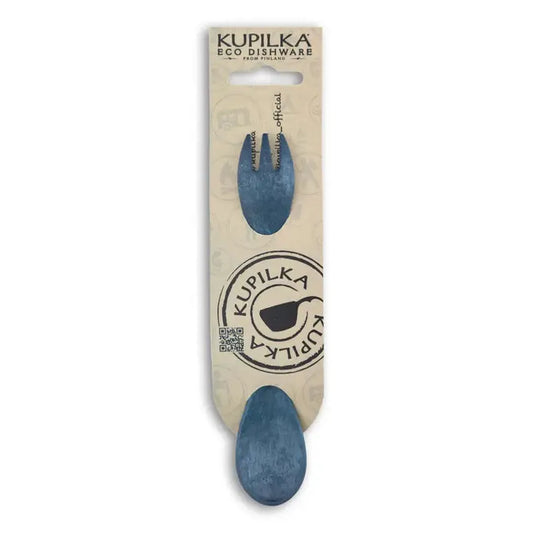
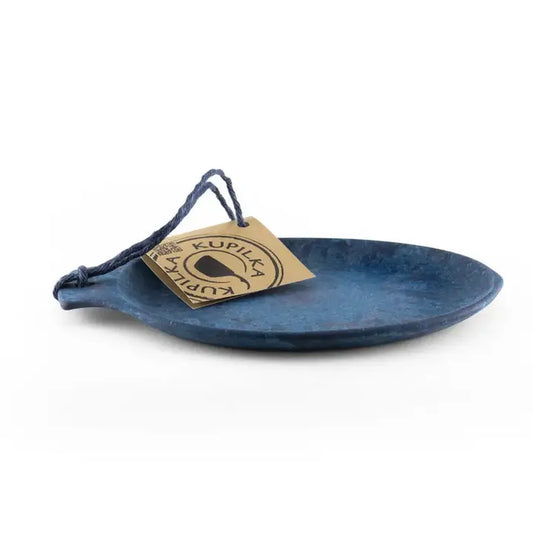
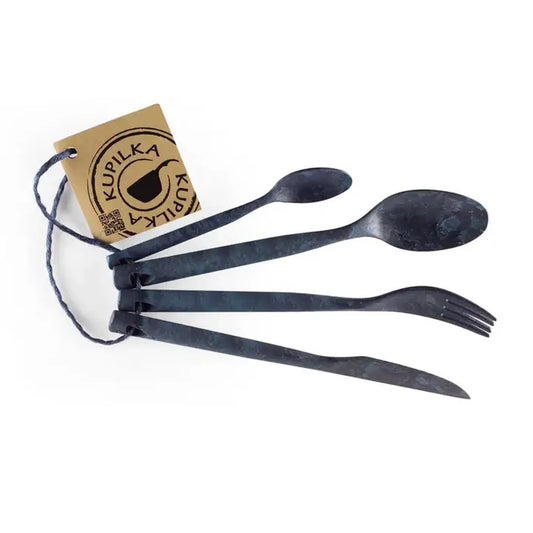
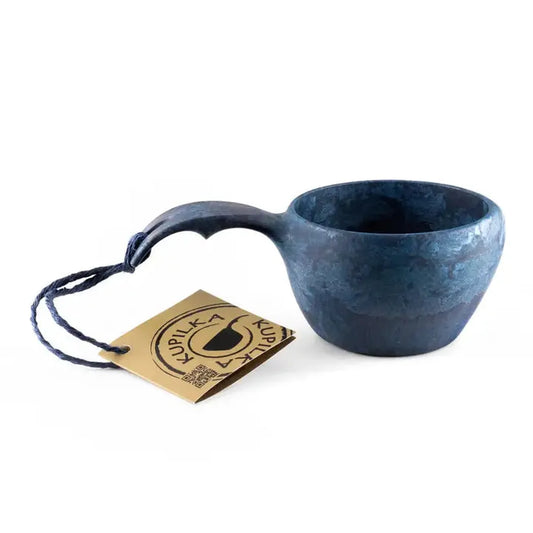
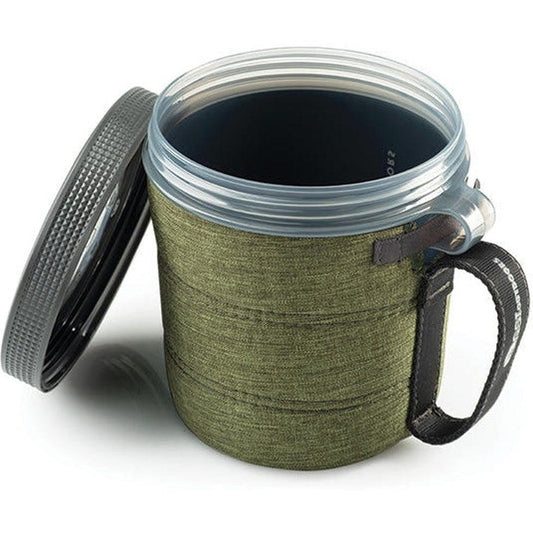
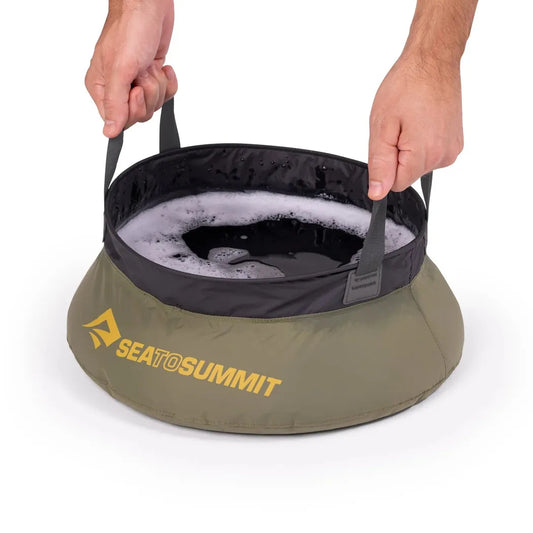
Camp utensil sets, mess kits, and collapsible dishware complete the functional kitchen. A quality camp utensil set includes spatulas, tongs, a ladle, and serving spoons that handle camp stove heat without issue. Individual mess kits with a plate, bowl, and cup cover the basics for one person, while group dishware sets make shared meals more practical. Biodegradable camp soap and a collapsible wash basin handle cleanup anywhere. A good cutting board, a camp knife, and a compact spice kit turn basic campsite cooking into a genuinely enjoyable outdoor dining experience.
Camp Kitchen for Appalachian Trail and Backcountry Cooking
Open fires are prohibited or restricted along significant stretches of the AT, particularly in high-use areas, during dry conditions, and in shelters. A reliable camp stove is required gear for AT hikers, not optional. Canister stoves dominate AT use because they are compact, require no priming, and perform reliably at the moderate elevations and temperatures the trail sees through most of the year.
Leave No Trace cooking practices require packing out all food waste, cooking and washing dishes at least 200 feet from water sources, and storing food in bear canisters or hang systems in designated areas. A camp kitchen built for backcountry AT use should include a lightweight stove system, a nesting cookware set, a compact water filter for safe water sourcing, and sealed food storage that contains odors. The Appalachian region's humid conditions mean cookware that dries quickly and resists corrosion performs better over multi-day trips than materials that hold moisture.
Our Best-Selling Camp Kitchen Gear
These are the camp kitchen items our customers reach for most.
- Camp stoves: single-burner canister stoves for trail use, double-burner propane setups for car camping, and integrated stove systems for the most fuel-efficient boil times.
- Camping cookware sets: nesting aluminum and titanium sets for 1 to 2 person use, larger 4-person sets for car camping, and cast iron for campfire cooking at basecamp.
- Coolers: soft coolers for day trips, hard-sided coolers in the 20 to 50 quart range for car camping with multi-day fresh food.
- Utensil and mess kits: compact spork kits for solo use, full utensil sets with spatula, tongs, and ladle for group cooking.
Browse the full camp kitchen collection above to build the outdoor kitchen setup that fits your trips.
Why Shop Camp Kitchen Gear at Appalachian Outfitters
Appalachian Outfitters is a specialty outdoor retailer built around the gear that makes time in the field better. Our camp kitchen selection is curated by a team that cooks on trail, not just reads product specifications.
- Trusted brands including GSI Outdoors, MSR, Jetboil, Camp Chef, Stanley, and others selected for cooking performance and real-world reliability.
- Appalachian Trail and backcountry knowledge from a team familiar with the stove regulations, food storage requirements, and cookware needs that Appalachian region campers face.
- Complete outdoor kitchen from a single source: stoves, cookware, coolers, utensils, and food storage all in one place.
Frequently Asked Questions About Camp Kitchens
These are the questions our customers ask most when building their outdoor camping kitchen setup. If your question is not covered here, our team is happy to help.
What do I need for a complete camp kitchen?
A complete camp kitchen kit covers five categories: a heat source (camp stove), cooking vessels (pots and pans), a cooling and food storage system, eating and serving tools (utensils and dishware), and cleanup supplies. The right items within each category depend on your group size and camping style, but every functional outdoor camp kitchen addresses all five.
What is the best camp stove for car camping?
For car camping, a double-burner propane stove with adjustable heat control and a stable folding frame gives you the most cooking flexibility. Look for models with wind baffles since wind is one of the most common factors that slows camp cooking down. Propane fuel is widely available, making resupply straightforward for frequent campers.
What cookware material is best for camping?
Hard-anodized aluminum is the best all-around cookware material for most camping use. It is lighter than stainless steel, distributes heat more evenly than titanium, and costs less than premium titanium sets. For backpackers where base weight is a primary concern, titanium is worth the higher cost. For campfire cooking at basecamp, a cast iron Dutch oven or skillet delivers cooking performance no lightweight material can match.
How do I keep food cold while camping?
Start with a quality cooler sized for your trip length and group. Pre-chill it with ice for several hours before loading. Pack in order of use so frequently accessed items sit on top. Block ice lasts significantly longer than cube ice. Keep the cooler shaded and open it as infrequently as possible to extend ice life.
Can I use a camp stove in a tent?
No. Camp stoves should never be used inside a tent or enclosed shelter. Combustion produces carbon monoxide, which accumulates in enclosed spaces and is odorless and lethal. Cook outside at least a few feet from the tent entrance. In wet weather, cooking in a vestibule with the door fully open is the safest workable alternative.
What is the difference between a backpacking stove and a camp stove?
A backpacking stove minimizes weight and packed size, runs on small canister fuel, and supports one pot at a time. A camp stove is designed for car camping, runs on larger propane canisters, and offers one or two burners with more output and a stable platform. Backpacking stoves prioritize portability. Camp stoves prioritize cooking capacity.
A well-built outdoor camp kitchen makes every meal at camp worth looking forward to. Explore our full collection of camping kitchen gear above, start with your cooking style and group size, and build from there. Reach out to our team if you need help choosing between stove systems, cookware materials, or cooler sizes for your next trip.