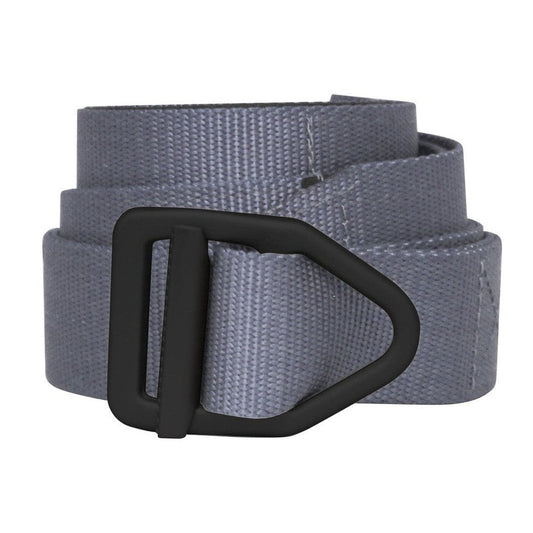
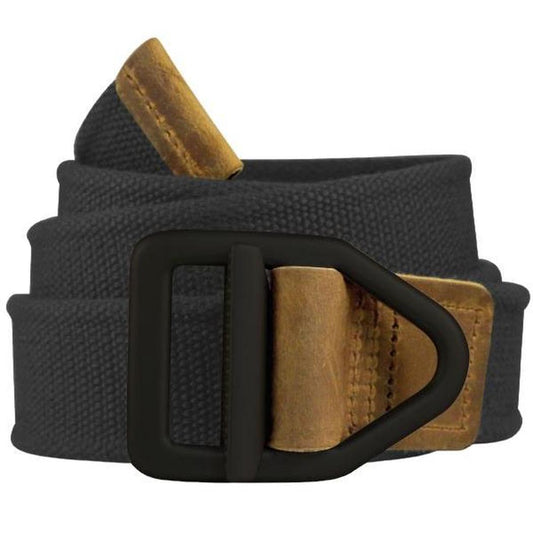
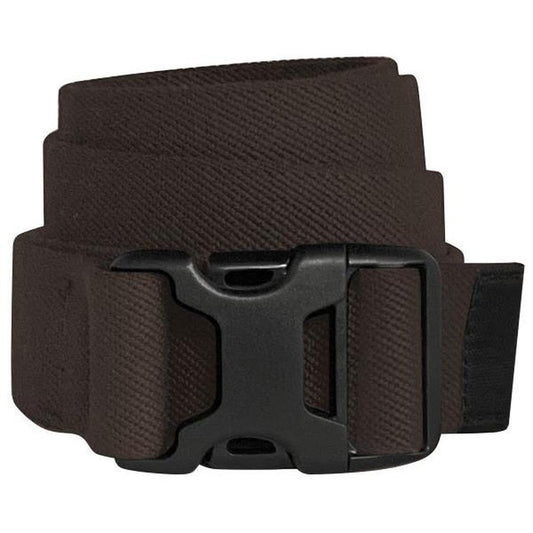
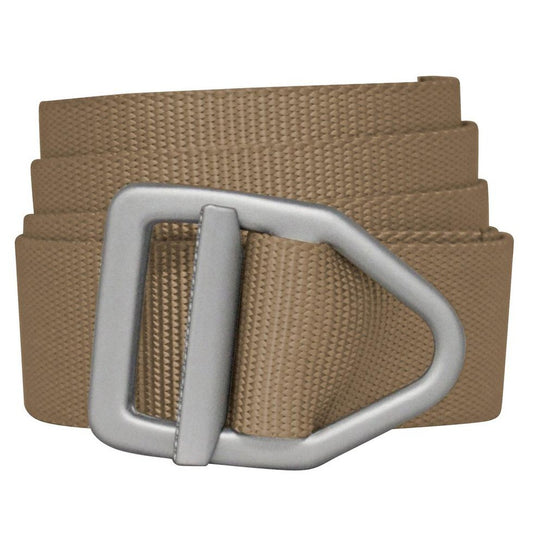
MEN'S HIKING BELTS | LIGHTWEIGHT, QUICK-DRY & LOW-PROFILE
Regular belts fail on the trail. Heavy leather digs in under backpack hip belts, metal buckles create pressure points, and rigid construction restricts movement when scrambling over rocks. Our collection of men's hiking belts features lightweight nylon webbing, low-profile buckles, and quick-drying materials designed specifically for outdoor adventures. From ultralight thru-hiking to everyday trail use, find belts that stay comfortable mile after mile without adding unnecessary weight to your pack.
Why Hiking Belts Matter
Regular belts weren't designed for outdoor activities. When you're carrying a loaded backpack for hours, every detail matters. The wrong belt creates discomfort that compounds over miles, while the right one disappears from your awareness entirely.
Material Performance: Nylon and stretch webbing outperform leather in outdoor conditions. These synthetic materials resist moisture, dry quickly after creek crossings, and won't crack or deteriorate when exposed to sweat and rain. Leather belts can weigh 8 ounces or more, while quality mens hiking belt options typically weigh 2-4 ounces.
Low-Profile Design: Hiking belts feature slim buckles that sit flat against your waist, preventing pressure points when wearing backpack hip belts. Bulky traditional buckles dig into your abdomen under pack weight, creating painful hot spots during long approaches.
Flexibility Matters: Stretch webbing moves with your body during scrambling, high-stepping over logs, and bending to set up camp. Rigid belts restrict these natural movements, forcing constant readjustment.
Types of Men's Hiking Belts
Understanding the different belt categories helps match your choice to specific activities and preferences.
Stretch Webbing Belts
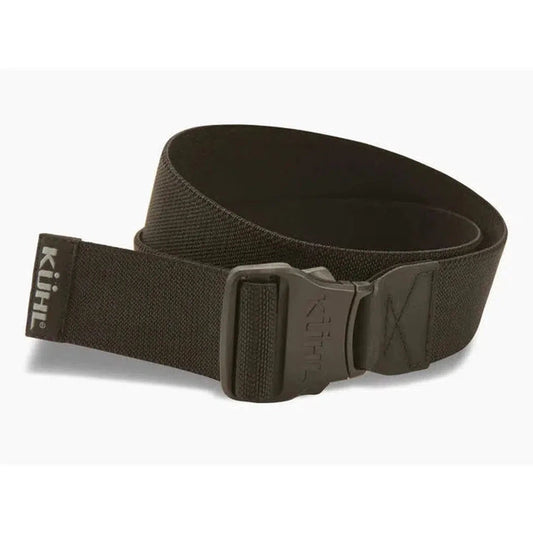
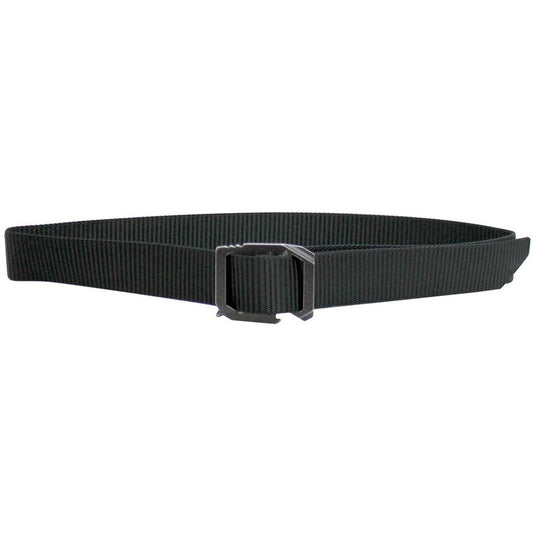
Elastic stretch woven into nylon creates flexible belts that move with your body. These provide the most comfortable option for dynamic activities like scrambling or climbing.
Pros: Maximum comfort, moves with you, no constant readjustment needed, works well under pack hip belts.
Cons: Can lose tension over time, may not hold heavy tool pouches as securely.
Best for: Backpacking, thru-hiking, active trail use, anyone prioritizing comfort over load-bearing.
Standard Nylon Webbing Belts
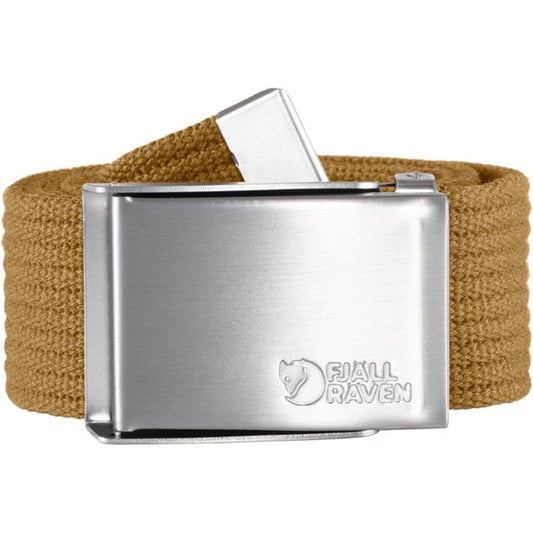
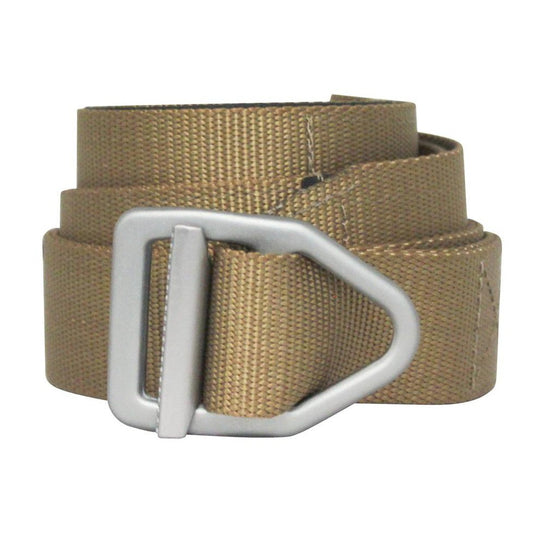
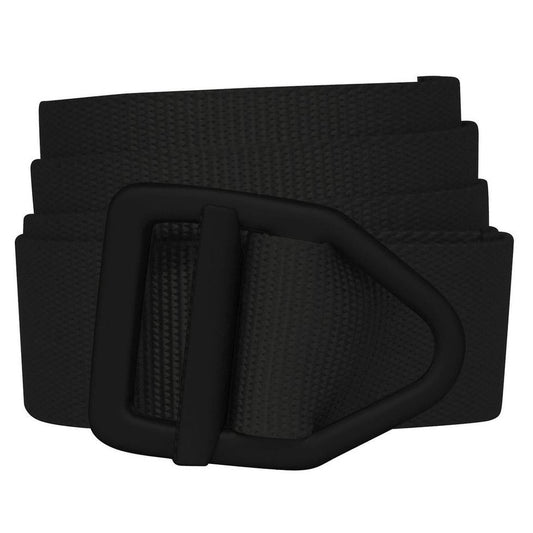
Non-stretch nylon webbing provides traditional belt function with outdoor-appropriate materials. More rigid than stretch options but still lighter than leather.
Pros: Holds position firmly, supports gear attachments, extremely durable, typically less expensive.
Cons: Less comfortable for extended wear, may need readjustment during activity.
Best for: Casual hiking, travel, everyday wear, carrying gear on belt.
Ultralight Minimalist Belts
Purpose-built for gram-counting backpackers, these belts strip away everything non-essential. Some weigh as little as 1 ounce.
Pros: Minimal pack weight, often trimable to exact length, simple design means fewer failure points.
Cons: Less comfortable for daily wear, limited adjustment range, may not work with all pant loops.
Best for: Thru-hikers, fastpackers, anyone counting every ounce.
How to Choose the Best Hiking Belts
Finding the right belt depends on your specific activities and priorities rather than following one-size-fits-all recommendations.
Consider Your Primary Use
Day Hiking and Casual Use: Standard nylon or stretch belts work well. Prioritize comfort and versatility for trail-to-town transitions. Look for belts that don't scream outdoor gear if you want daily wear capability.
Backpacking with Heavy Loads: Low-profile buckles become critical. Even small protrusions dig in painfully under hip belt pressure during multi-day trips. Stretch webbing provides relief when bending and moving with a loaded pack.
Thru-Hiking and Ultralight: Every ounce matters. Ultralight minimalist belts justify their compromises through weight savings. Consider whether you truly need a traditional belt or if a lighter alternative serves adequately.
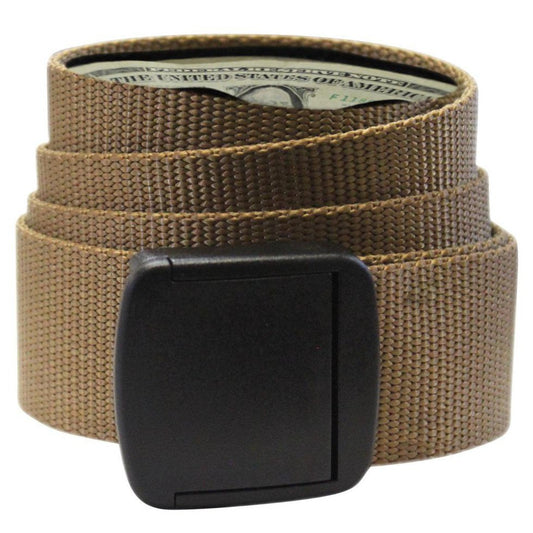
Travel and Multi-Purpose: TSA-friendly belts with plastic buckles eliminate security hassles. Choose styles that work both on trail and in casual settings, reducing the need to pack multiple belts.
Material Considerations
Nylon Webbing: The standard for mens outdoor belts, nylon resists abrasion, dries quickly, and handles weather exposure without deterioration. Military-spec webbing provides exceptional strength-to-weight ratios.
Stretch Webbing: Blend of nylon and elastic creates flexible construction. The stretch component provides comfort but may gradually lose elasticity with heavy use. Quality matters more with stretch belts than standard nylon.
Recycled Materials: Some manufacturers now offer belts made from recycled nylon or polyester. Performance typically matches virgin materials while reducing environmental impact.
Buckle Types Explained
Plastic Quick-Release: Lightweight and TSA-friendly. Most hiking-specific belts use this style. Quick on/off convenience but ensure the release mechanism is recessed to prevent accidental opening under pack pressure.
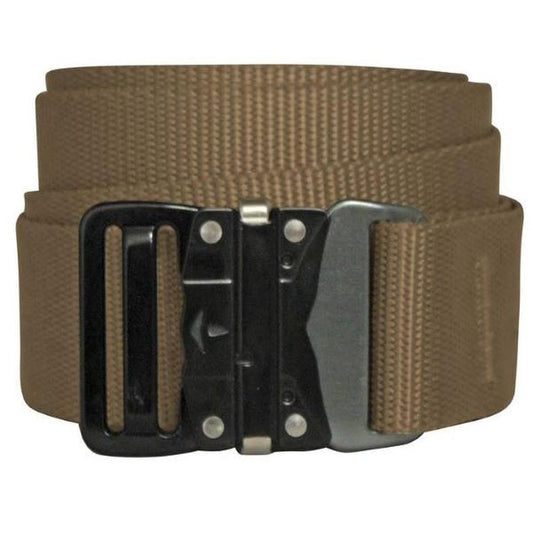
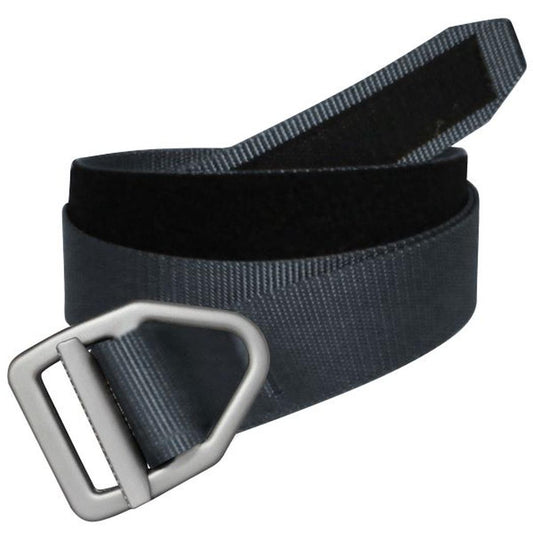
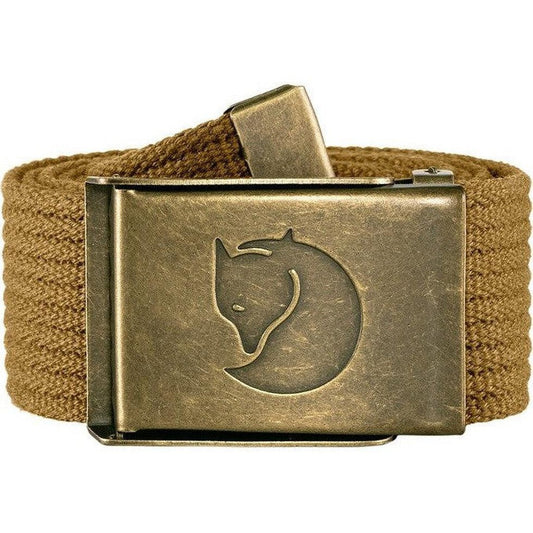
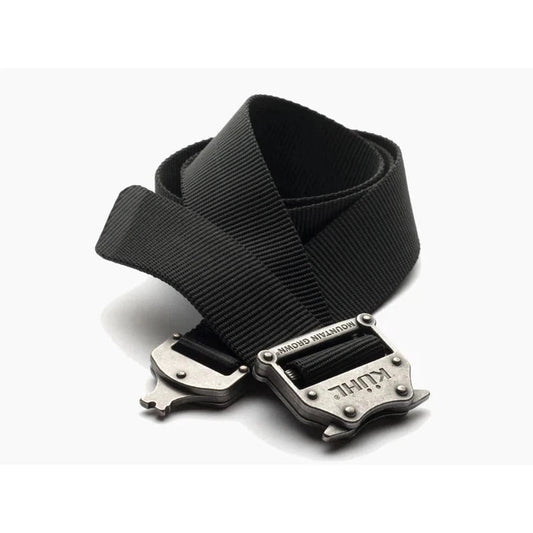
Low-Profile Metal: Slim metal buckles work if properly designed. Look for buckles that sit nearly flat rather than protruding. Slightly heavier than plastic but often more durable.
Ratchet Systems: Micro-adjustable without holes. Allows precise fit tuning. Slightly bulkier than other options but provides infinite adjustment.
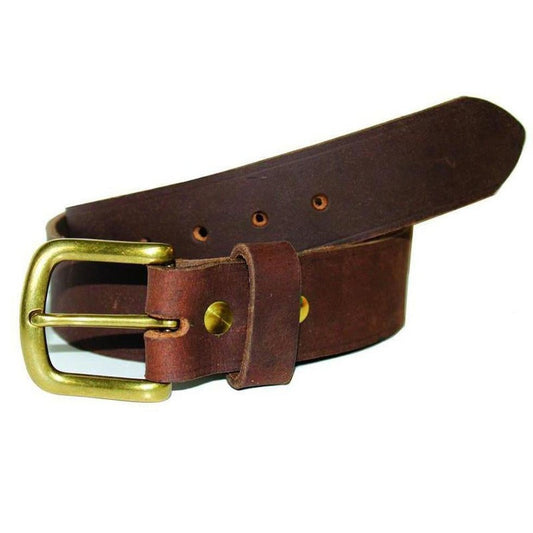
Traditional Prong: Rare in hiking-specific designs. Too bulky and prone to catching on pack straps. Best avoided for dedicated trail use.
Sizing and Fit
Most hiking belts come in standard Small, Medium, Large sizing based on waist measurements. Unlike leather belts with fixed holes, hiking belts typically offer continuous adjustment within their size range.
Measuring: Measure your actual waist circumference where pants sit, not your jeans size. Pant sizes often don't match true waist measurements.
Layering Consideration: Account for clothing layers. A belt fitting perfectly with shorts may feel tight when wearing base layers and hiking pants in cold weather.
Trim-to-Fit: Many nylon belts allow cutting excess material for cleaner appearance and minor weight savings. Leave adequate tail for future adjustment needs rather than cutting too short. Complete your hiking outfit with proper mens hiking pants designed to work with lightweight belts for maximum trail comfort.
Key Features to Look For
Selecting the right mens hiking belt requires understanding which features genuinely improve trail performance versus marketing talking points.
Lightweight Construction: Aim for belts weighing 4 ounces or less. Some ultralight options drop below 2 ounces. Every ounce saved in your belt means capacity for other gear.
Quick-Dry Materials: Nylon and synthetic webbing dry dramatically faster than leather. After ford crossings or rain exposure, hiking belts dry in minutes rather than remaining wet for hours.
Low-Profile Buckles: Buckle height under 3/8 inch prevents interference with backpack hip belts. Test this compatibility if possible before committing to a purchase.
Durability Indicators: Look for bar-tacked stitching at stress points, reinforced buckle connections, and high-quality webbing that resists fraying. Check user reviews for reports about buckle or webbing failures.
Adjustability Range: Ensure the belt provides adequate adjustment for your waist size plus clothing layers. Belts that max out at your measurement leave no room for layering or weight fluctuation.
Caring for Your Hiking Belt
Proper maintenance extends belt lifespan and maintains performance through seasons of use.
Cleaning: Hand wash with mild soap and cool water. Most hiking belts handle machine washing, though hand washing proves gentler. Avoid hot water which can damage elastic components in stretch belts. Rinse thoroughly to remove all soap residue which can stiffen webbing.
Drying: Air dry completely before storage. Nylon webbing dries quickly even in humid conditions. Never use heat sources like dryers or radiators which can damage synthetic materials and compromise buckle plastics.
Storage: Store loosely rather than coiled tightly. Constant compression can stress webbing and elastic components. Keep away from direct sunlight during storage as UV exposure degrades nylon over time.
Inspection: Periodically check webbing for fraying, examine buckle mechanisms for cracks or wear, and test adjustment functions. Replace belts showing significant wear before they fail mid-hike.
Why Shop Appalachian Outfitters
We curate our hiking belt selection based on field performance rather than brand hype. Every belt we stock meets real outdoor standards for weight, durability, and comfort under backpack loads.
Trail-Tested Selection: Our team includes active hikers who personally test gear in Appalachian conditions. We understand the specific challenges of wet, varied terrain and choose equipment accordingly.
Expert Guidance: Staff provide informed recommendations based on your intended use rather than pushing highest-margin items. We ask about your activities, pack setup, and preferences before suggesting options.
Quality Brands: We partner with manufacturers known for producing reliable outdoor equipment. Brands like Arcade, Patagonia, and REI Co-op earn their places through consistent performance, not marketing budgets.
No-Hassle Returns: If a belt doesn't work with your pack system or fit your needs, straightforward return processes ensure you're not stuck with unsuitable gear. Complete your trail setup with our selection of mens outdoor clothing designed for Appalachian conditions.
Frequently Asked Questions
Will hiking belts work with my backpack hip belt?
Quality hiking belts feature low-profile buckles designed for pack compatibility. Stretch webbing conforms around pack belts preventing pressure points unlike rigid alternatives.
How much should a hiking belt weigh?
Quality options range from 1 to 4 ounces. Ultralight minimalist belts drop below 2 ounces while stretch webbing belts typically weigh 3-4 ounces.
Are metal-free belts really necessary?
Metal-free construction matters primarily for TSA convenience. Plastic buckles are lighter and don't conduct temperature, remaining comfortable in all weather conditions unlike metal.
Can I wear hiking belts casually?
Many mens outdoor belts transition seamlessly from trail to town. Choose neutral colors and clean designs without excessive outdoor branding for daily versatility.
How do I know what size to order?
Measure your actual waist circumference where pants sit, not jeans size. When between sizes, order larger to accommodate clothing layers during cold weather.
Do hiking belts stretch out over time?
Stretch webbing can lose some elasticity with heavy use, though quality belts maintain performance for years. Standard nylon webbing doesn't stretch significantly over time.
Conclusion
Don't let inadequate belt choice compromise your trail comfort. The best hiking belts disappear from awareness, keeping your pants secure without creating pressure points under pack loads. Whether you're thru-hiking the Appalachian Trail or enjoying weekend day hikes, quality mens hiking belt options provide the lightweight, low-profile performance outdoor activities demand. Find your perfect trail companion today and experience the difference purpose-built outdoor gear makes.

 Sold out
 Sold out
 Sold out
 Sold out