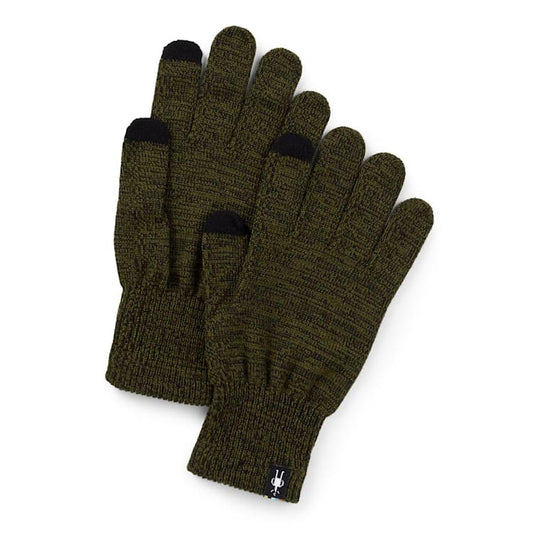
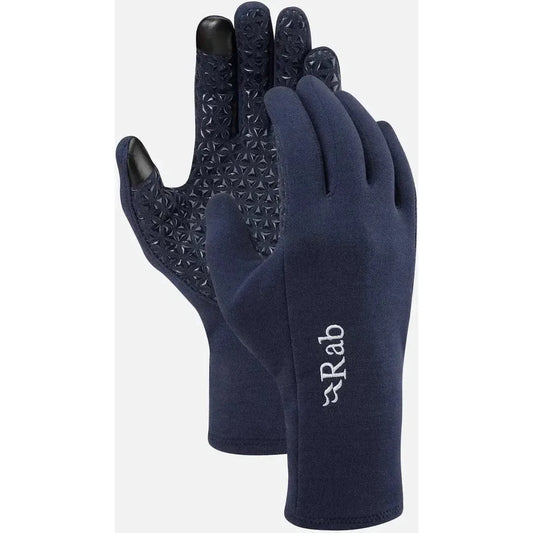
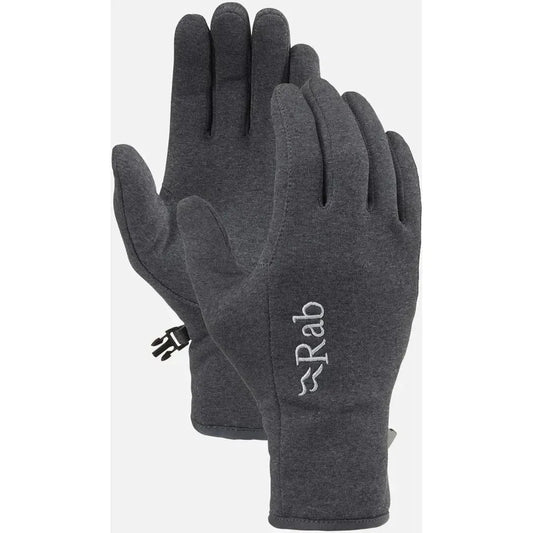
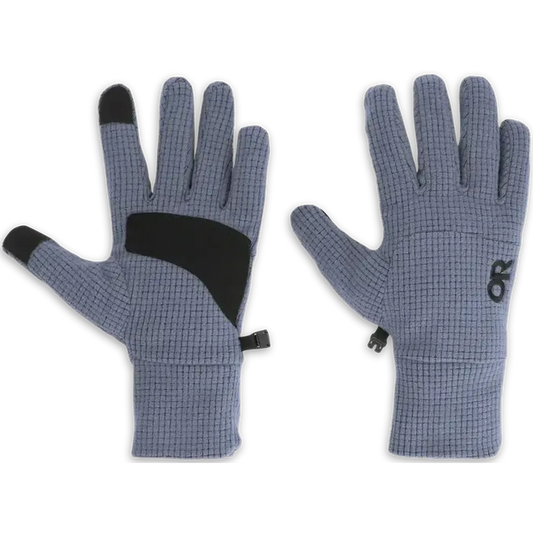
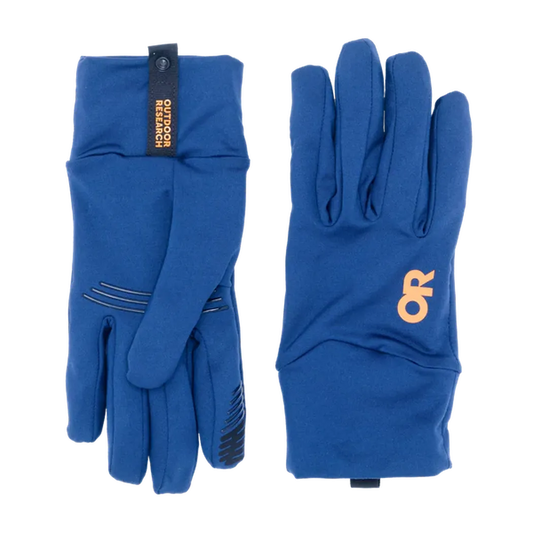
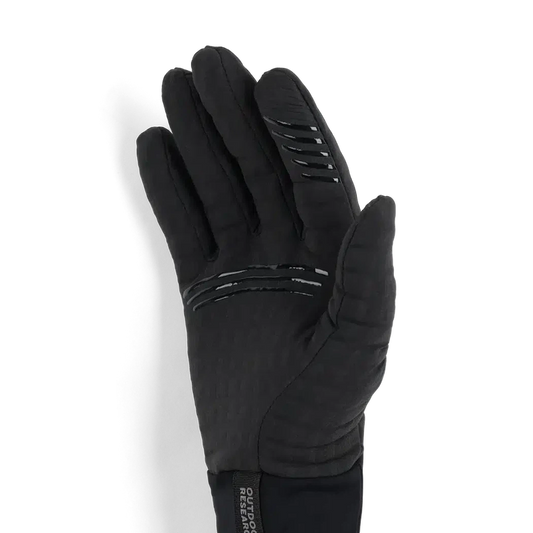
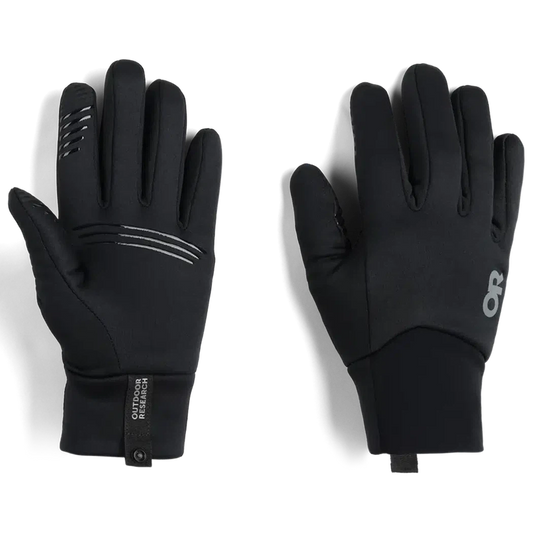
MEN'S WINTER GLOVES | WATERPROOF, INSULATED & HEATED OPTIONS
Cold hands can turn any outdoor adventure into a miserable experience. Whether you're tackling winter trails, carving fresh lines on the slopes, or simply commuting through freezing temperatures, quality men's winter gloves make the difference between enjoyment and early retreat. Our collection features waterproof, insulated, and heated options designed for serious outdoor enthusiasts who refuse to let cold weather dictate their activities. From lightweight liners to heavy-duty expedition mitts, find the protection your hands need to stay warm, dry, and functional all season long.
Why Quality Winter Gloves Matter
Your hands are essential tools for everything outdoors. They grip trekking poles, adjust gear, operate zippers, and maintain balance on technical terrain. When cold compromises finger dexterity and sensation, safety risks multiply alongside discomfort. Cheap men's gloves from discount retailers might handle light cold during casual walks, but they fail catastrophically when genuine winter conditions test their construction.
The consequences of inadequate hand protection extend beyond simple discomfort. Frostbite can develop in exposed fingers within minutes during extreme cold, potentially causing permanent tissue damage. Even without reaching frostbite severity, cold hands force you to cut activities short. Quality winter gloves represent essential safety equipment, not optional comfort upgrades, for anyone spending serious time outdoors during cold months.
Shop Men's Winter Gloves by Type
Different winter activities and conditions demand specific glove technologies. Understanding these types helps you choose appropriate protection for your needs.
Insulated Winter Gloves
Insulated winter gloves use synthetic or down fill sandwiched between outer shell and inner liner to trap warmth-retaining air around your hands. This straightforward design provides reliable cold-weather protection across diverse activities.
Insulation Materials Compared:
PrimaLoft: Excellent warmth-to-weight ratio, retains warmth when wet, very good durability, moderate price point. Most popular choice for men's winter gloves due to versatile performance.
Thinsulate: Very good warmth-to-weight, good wet resistance, excellent durability, moderate price. Provides reliable insulation with minimal bulk.
Down (700+ fill): Superior warmth-to-weight, poor performance when wet, good durability, higher price. Best for dry cold conditions only.
Synthetic fill: Good warmth-to-weight, excellent wet performance, very good durability, budget-friendly. Ideal for wet climates.
Synthetic insulations like PrimaLoft and Thinsulate dominate quality winter gloves because they maintain warmth even when damp, a critical advantage for snow sports and wet weather hiking.
Temperature Ranges Guide: Lightweight insulation (100-150g) handles temperatures from 30-50°F during high-output activities. Midweight options (200g) provide comfortable warmth in the 10-30°F range covering most winter conditions. Heavyweight insulation (400g or more) becomes necessary below 10°F or during low-activity situations. Complete your cold-weather protection with our selection of men's winter jackets designed to work seamlessly with insulated gloves.
Waterproof Winter Gloves
True waterproof construction requires more than water-resistant coatings. Quality men's winter gloves waterproof options incorporate breathable membranes like Gore-Tex or eVent that completely block liquid water while allowing perspiration vapor to escape outward.
Waterproofing Technologies: Gore-Tex membranes represent the industry gold standard, offering proven waterproof protection with excellent breathability. The material completely blocks water molecules while micropores allow smaller water vapor molecules to pass through. eVent provides similar performance with slightly superior breathability at premium pricing. Proprietary membranes from manufacturers deliver reliable waterproofing at more accessible price points.
Critical Construction Details: Seam sealing makes or breaks waterproof performance. Quality gloves feature fully sealed seams throughout entire construction. Storm flaps behind zippers prevent water penetration, and extended gauntlet cuffs seal out snow at the wrist where jacket sleeves end.
Waterproof winter gloves excel during snow sports, wet spring conditions, ice fishing, or any activity involving sustained moisture contact. They work best when precipitation protection outweighs breathability needs.
Heated Gloves
Battery-powered heating elements in fingers and across the back of the hand provide on-demand warmth with adjustable controls. Most heated gloves offer three or four heat settings with runtime spanning three to eight hours.
Heated Glove Advantages: These deliver the warmest possible hand protection for extreme cold environments. The adjustable heat lets you dial warmth up during stationary periods, then reduce power during active movement. People with poor circulation or Raynaud's syndrome find heated gloves transformative.
Practical Limitations: Heating elements add bulk and weight exceeding standard insulated gloves. Batteries require regular charging and eventually need replacement. Higher price points typically range from $150 to $300. The bulk can reduce dexterity for fine motor tasks.
Best for extreme cold situations, people with circulation issues, or activities involving extended low-output periods like photography or ice fishing.
Liner Gloves and Layering Systems
Thin liner gloves worn under shell gloves or mittens create adjustable warmth systems. You can remove outer layers for dexterity tasks without exposing bare hands to cold.
Effective Layering Strategy: Start with a moisture-wicking liner made from merino wool or synthetic materials. Add an insulated glove for moderate cold. Top the system with a waterproof shell mitt during extreme conditions. This modular approach provides vastly more versatility than any single glove. The same layering philosophy applies throughout your winter clothing system, which is why pairing gloves with proper base layers creates comprehensive moisture management from head to toe.
Material Choices: Merino wool liners offer natural warmth and odor resistance. Synthetic liners dry faster when wet and typically cost less. Either choice works well for most users.
How to Choose the Best Men's Gloves for Winter
Finding your perfect pair starts with honest assessment of your specific needs rather than chasing features marketing emphasizes.
Match Gloves to Your Activity
Hiking and Backpacking: Choose insulated, breathable gloves with wrist cinches, grip palms, and touchscreen fingertips. Temperature range: 20-40°F typical.
Resort Skiing: Select waterproof, insulated options with long cuffs, wrist leashes, and goggle wipe panels. Temperature range: 10-30°F typical.
Backcountry Skiing: Waterproof shell plus liner system prioritizing breathability and packability. Variable temperature handling essential.
Ice Climbing: Leather palms with heavyweight insulation, gauntlet style, and carabiner loops. Temperature range: 0-20°F typical.
Everyday Commuting: Lightweight, touchscreen-compatible with sleek design and easy on/off access. Temperature range: 30-50°F typical.
High-intensity activities need less insulation but more breathability. Low-intensity pursuits require maximum warmth since you're not producing metabolic heat.
Understanding Glove Materials
Leather Construction: Goatskin and cowhide leather offer superior durability withstanding abrasion. The natural material provides excellent wind resistance and develops water-repellent properties when conditioned. Leather molds to your hand shape over time. However, leather requires periodic conditioning, weighs more than synthetic alternatives, and costs significantly more.
Synthetic Fabrics: Nylon and polyester shells weigh less, dry faster when wet, and need minimal maintenance. Modern synthetics approach leather's durability through strategic reinforcements. Lower costs make synthetic gloves more accessible for recreational users.
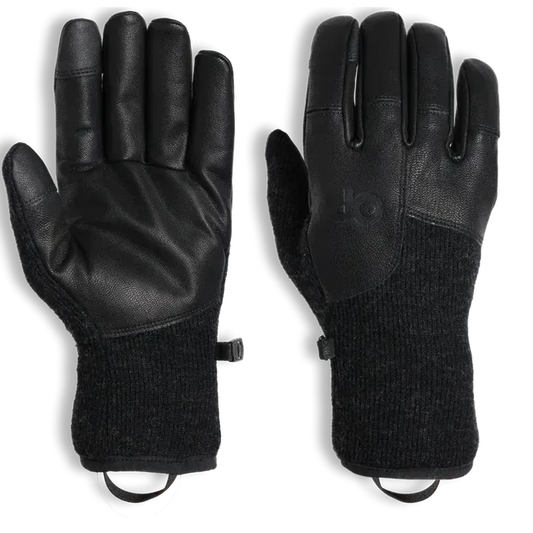
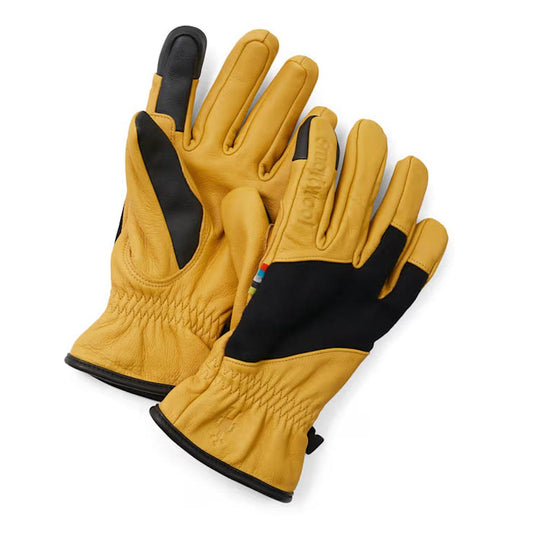
Hybrid Designs: Many quality gloves combine leather palms providing grip and durability with synthetic backs saving weight. This approach delivers practical benefits of both materials.
Sizing and Fit Fundamentals
Proper glove fit dramatically impacts both warmth and functionality. Gloves that fit too tight restrict blood circulation, actually making your hands colder. Oversized gloves create air gaps that fill with cold air rather than warm air.
How to Measure Your Hand: Wrap a flexible measuring tape around your palm at its widest point, excluding your thumb. This circumference measurement in inches corresponds to glove sizes.
Size Guidelines: 7 to 7.5 inches typically equals Small. 7.5 to 8.5 inches equals Medium. 8.5 to 9.5 inches equals Large. 9.5 to 10.5 inches equals X-Large. Over 10.5 inches equals XX-Large.
Proper fit means fingertips reach glove finger ends without excess space, palm material lies flat without bunching, and wrist cuffs extend one to two inches past jacket sleeves. If you plan layering with liners underneath, size up one size.
Understanding Temperature Ratings
Temperature ratings provide rough guidance, but personal factors influence actual comfort. Your individual cold tolerance, activity intensity, typical climate conditions, and ability to layer all affect what works for you.
Personal Variables: Some people's hands get cold easily while others stay comfortable with minimal protection. High-output activities generate substantial body heat, while static activities provide no internal heat requiring maximum insulation.
General Guidelines: Mild cold from 30 to 50°F typically needs only lightweight gloves. Moderate cold spanning 10 to 30°F represents the range where midweight insulated gloves serve most users well. Extreme cold below 10°F demands heavyweight insulation or heated options.
When choosing between temperature ranges, err toward warmer options. You can always vent excess heat, but you can't add insulation once your hands get cold.
Gloves versus Mittens
The gloves versus mittens debate centers on warmth versus dexterity trade-offs.
Gloves: Good warmth with separated fingers, excellent dexterity with individual finger control, high versatility across varied tasks. Best for technical activities requiring grip manipulation.
Mittens: Excellent warmth with fingers together sharing heat, limited dexterity with thumb-only separation, specialized for maximum warmth needs. Best for extreme cold and low-dexterity activities.
Choose gloves when you need to manipulate gear, adjust bindings, or grip tools. Select mittens when maximum warmth outweighs dexterity concerns.
Care and Maintenance
Proper maintenance significantly extends glove lifespan while maintaining performance.
Synthetic Glove Care: Machine wash cold gentle cycle or hand wash using mild detergent. Avoid fabric softeners which damage water repellency. Never use hot water or dryers. Air dry flat away from direct heat.
Leather Glove Maintenance: Spot clean with damp cloth. Apply quality leather conditioner once or twice per season. Never fully saturate or expose to direct heat. Store in cool, dry locations.
Heated Glove Protocols: Always remove batteries before cleaning. Hand wash only without submerging battery compartments. Air dry completely before reinserting batteries.
Restoring Water Repellency: When gloves start wetting out, clean thoroughly and apply spray-on DWR treatment. Air dry or tumble on low heat to activate treatment.
Why Shop Appalachian Outfitters for Winter Gloves
We curate our selection based on field performance rather than marketing hype. Our staff includes outdoor enthusiasts who actually use the gear during personal adventures. We understand Appalachian winter conditions present unique challenges, and we choose gloves that perform in our wet, variable climate.
We partner with manufacturers like Outdoor Research, Black Diamond, and Hestra who've proven their commitment to quality over decades. When you buy from us, you're accessing the same brands professional guides depend on. Complete your winter protection with our collection of insulated winter hats providing head coverage that works together with quality gloves.
Frequently Asked Questions
What's the difference between waterproof and water-resistant gloves?
Waterproof gloves incorporate sealed membranes like Gore-Tex that completely block liquid water even during prolonged exposure. Water-resistant gloves feature DWR coatings causing water to bead up but prolonged exposure eventually saturates them. Choose waterproof for snow sports and wet conditions.
How should winter gloves fit properly?
Proper fit means fingertips reach glove ends without gaps, palm material lies flat, wrist cuffs extend past jacket sleeves, and you can make comfortable fists. Too tight restricts circulation reducing warmth. Too loose creates cold air pockets reducing efficiency.
Can I use heated gloves for skiing?
Yes, though they're bulkier than standard ski gloves and cost $150 to $300. Best for extreme cold days below 20°F or people with poor circulation. For active skiing in moderate temps, standard insulated waterproof gloves offer better value and dexterity.
What temperature rating do I need?
Consider your cold tolerance, activity intensity, and typical conditions. General guidance: lightweight for 30-50°F, midweight for 10-30°F, heavyweight or heated below 10°F. When uncertain, choose warmer options.
Are leather gloves warmer than synthetic gloves?
No. Warmth comes from insulation inside, not shell material. Leather provides superior durability and grip. Synthetic weighs less and dries faster. Both deliver identical warmth with equivalent insulation.
How long should winter gloves last?
Budget gloves last one to two seasons. Mid-range gloves provide three to five seasons with care. Premium gloves can last five to ten or more seasons. Replace when insulation no longer lofts or waterproofing fails.
Conclusion
Quality men's winter gloves transform cold-weather activities from endurance tests into enjoyable experiences. Our curated collection features the best men's gloves for winter activities, including waterproof, insulated, and heated options proven through years of field use. Find gloves matching your specific activities and climate, then discover how proper hand protection expands your winter adventure possibilities year-round.
 Sold out
 Sold out
 Sold out
 Sold out
 Sold out
 Sold out
 Sold out
 Sold out
 Sold out