
-
Leki Rubber Walking Tip - 1 Pair
Regular price $14.95Unit price perRegular priceSale price $14.95 -
Komperdell Tip Protector 8MM
Regular price $7.95Unit price perRegular priceSale price $7.95 -
Komperdell Tip Protector 12MM
Regular price $7.95Unit price perRegular priceSale price $7.95 -
Komperdell Carbon FXP .4 Approach - Vario
Regular price $229.95Unit price perRegular priceSale price $229.95 -
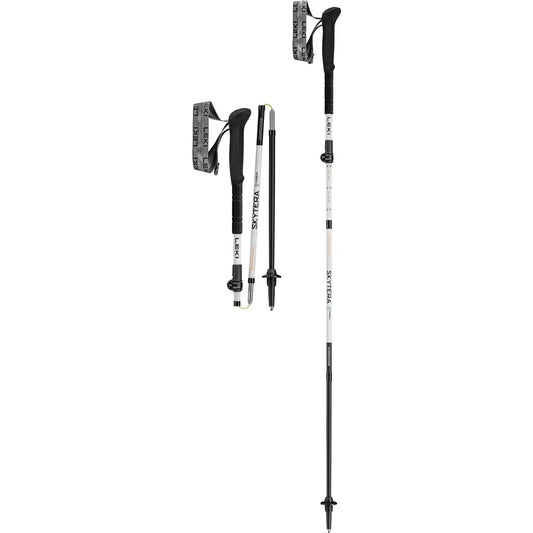
Leki Skytera FX Carbon SL
Regular price $219.95Unit price perRegular priceSale price $219.95 -
Komperdell Walker Powerlock Compact
Regular price $79.95Unit price perRegular priceSale price $79.95 -
Komperdell Carbon FXP .4 Approach - Vario Compact
Regular price $229.95Unit price perRegular priceSale price $229.95 -

 Sale
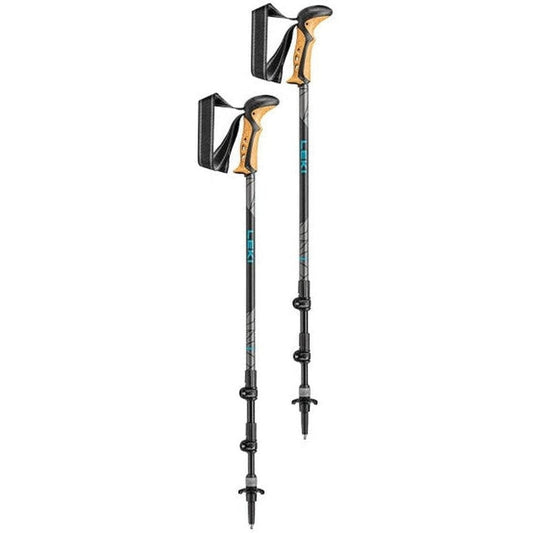
SaleLeki Khumbu Lite AS
Regular price $112.46Unit price perRegular price $149.95Sale price $112.46Sale -
 Sale
SaleLeki Khumbu Lite
Regular price $97.46Unit price perRegular price $129.95Sale price $97.46Sale -
Leki Wanderfreund Makalu
Regular price $84.95Unit price perRegular priceSale price $84.95 -
Komperdell Walker Powerlock
Regular price $79.95Unit price perRegular priceSale price $79.95 -

 Sold out
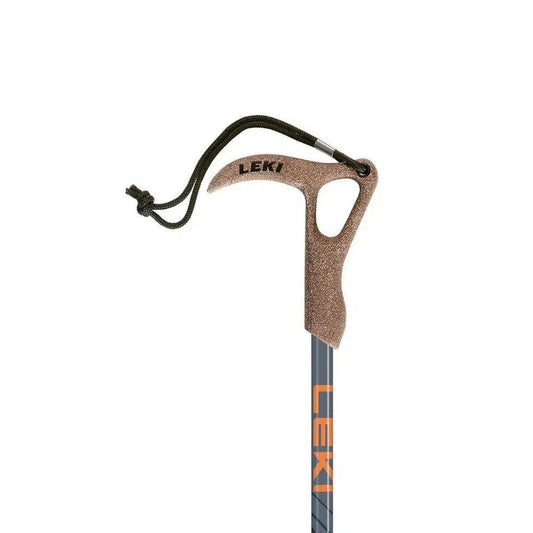
Leki Wanderfreund High Fives
Regular price $89.95Unit price perRegular priceSale price $89.95Sold out -

 Sold out
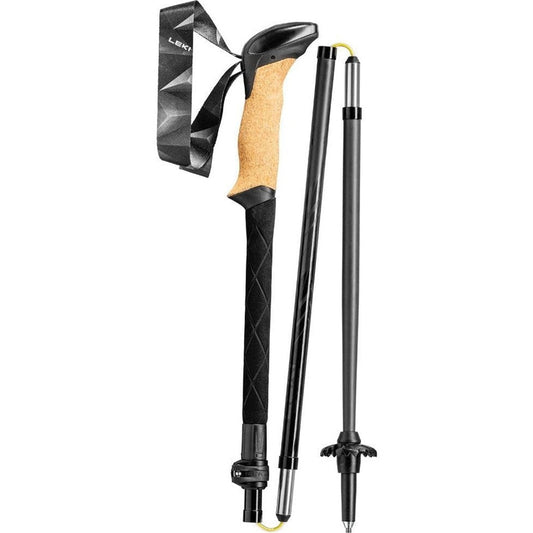
Leki Black Series FX Carbon
Regular price $187.46Unit price perRegular price $249.95Sale price $187.46Sold out -

 NewSold out
Leki Skytera FX Carbon SL Compact
Regular price $219.95Unit price perRegular priceSale price $219.95Sold out -

 Sold out
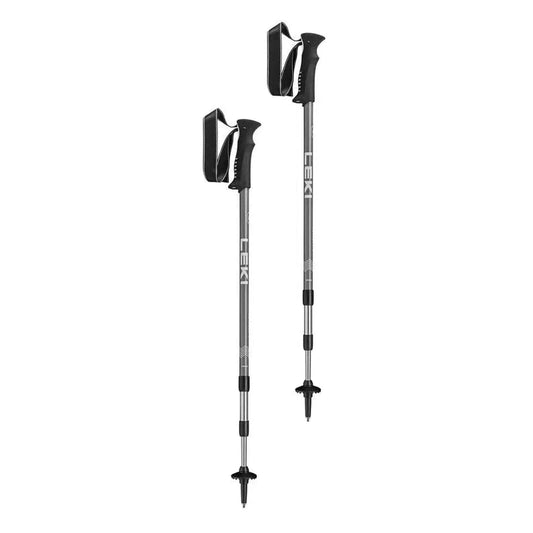
Leki Voyager
Regular price $69.95Unit price perRegular priceSale price $69.95Sold out -

 Sold out
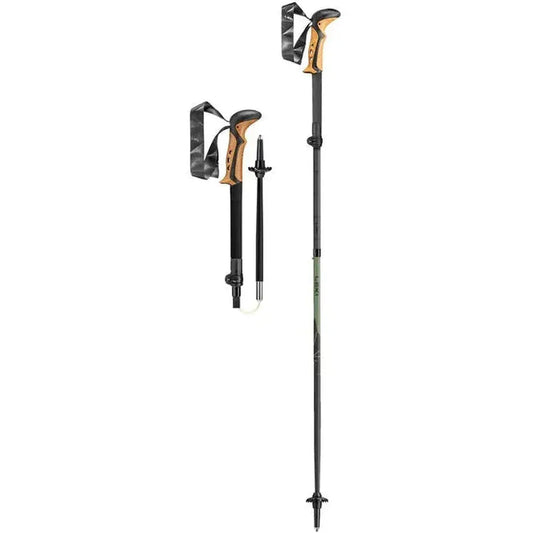
Leki Khumbu FX TA Compact
Regular price $119.96Unit price perRegular price $159.95Sale price $119.96Sold out -
 Sold out
Komperdell Wild Rambler
Regular price $69.95Unit price perRegular priceSale price $69.95Sold out -
 Sold out
Leki Cressida FX Carbon
Regular price $172.46Unit price perRegular price $229.95Sale price $172.46Sold out -
 Sold out
Komperdell Explorer Compact Cork
Regular price $159.95Unit price perRegular priceSale price $159.95Sold out -

 Sold out
Leki Black Series Carbon
Regular price $153.71Unit price perRegular price $204.95Sale price $153.71Sold out -
Komperdell Ridgehiker Cork Powerlock Compact
Regular price $119.95Unit price perRegular priceSale price $119.95Sold out -
 Sold out
Leki Jannu
Regular price $89.96Unit price perRegular price $119.95Sale price $89.96Sold out -

 Sold out
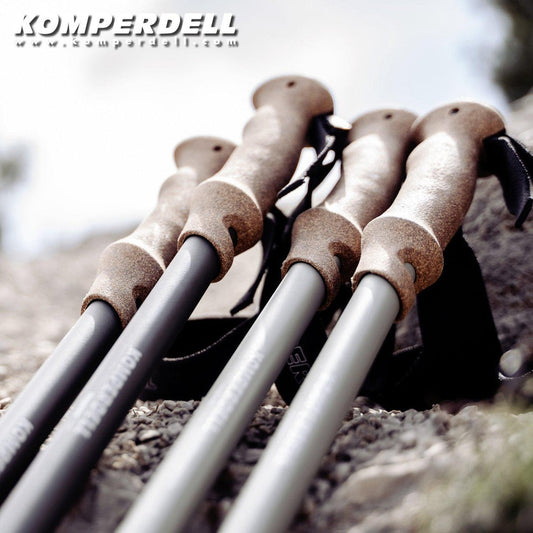
Komperdell Ridgehiker Cork Powerlock
Regular price $119.95Unit price perRegular priceSale price $119.95Sold out -
 Sold out
Leki Legacy Lite AS
Regular price $89.96Unit price perRegular price $119.95Sale price $89.96Sold out





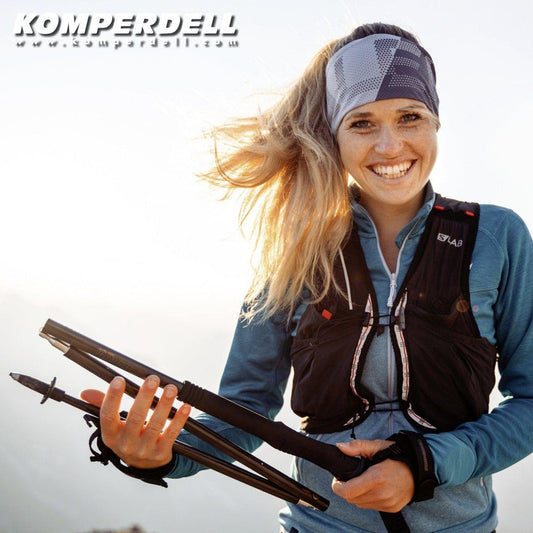


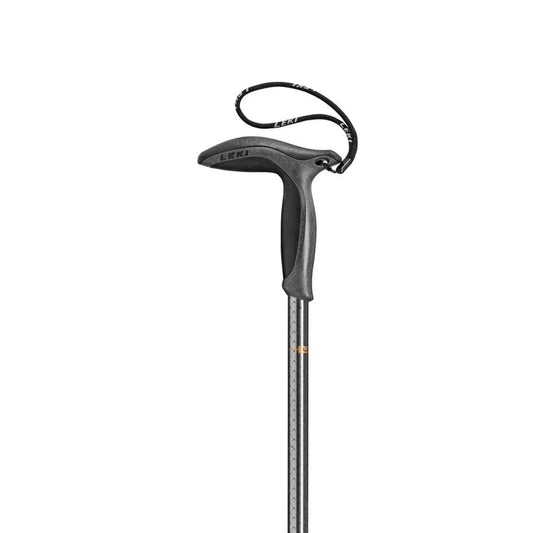




Walking sticks have evolved far beyond simple wooden staffs that hikers once fashioned from fallen branches. Today's adjustable trekking poles represent precision-engineered equipment designed to enhance your outdoor experience through superior stability, reduced joint stress, and improved endurance across all terrain types. Whether you're navigating rocky mountain paths, crossing stream beds, or simply seeking extra confidence on your daily walks, the right poles transform how you move through the world. At Appalachian Outfitters, we've assembled a diverse collection of hiking poles that cater to everyone from casual nature walkers to serious backcountry adventurers, ensuring you'll find the perfect match for your specific needs and hiking style.
Game-Changing Advantages for Hikers of All Levels
Joint Protection That Accumulates Over Miles
The single most compelling reason to use trekking poles centers on their remarkable ability to protect your body from cumulative impact damage. Research demonstrates that properly used poles reduce knee compression forces by approximately 25 percent during descents, effectively distributing your body weight across four contact points instead of two. This seemingly modest percentage translates into massive relief over thousands of steps, particularly when carrying a loaded backpack down steep terrain. Your ankles, knees, hips, and lower back all benefit from this load redistribution, allowing you to hike longer distances with significantly less soreness the following day.
Beyond immediate comfort, this joint preservation offers long-term health implications that shouldn't be overlooked. Expedition leaders who consistently use hiking poles throughout their careers often extend their working years compared to colleagues who forego this equipment. The reduced wear and tear on cartilage and connective tissues means you'll potentially enjoy outdoor activities well into your later years without the debilitating joint pain that sidelines many former hikers. For those already experiencing knee problems, osteoarthritis, or recovering from injuries, walking poles for stability provide essential support that makes outdoor recreation possible again. Pair your poles with quality hiking boots for a comprehensive lower body protection system.
Balance Enhancement Across Challenging Terrain
Converting yourself from a bipedal walker into a quadrupedal hiker fundamentally changes your relationship with unstable surfaces. Those two additional ground contact points create a wider, more secure base that dramatically reduces your risk of slips, trips, and potentially serious falls. This stability advantage proves particularly valuable when crossing streams on slippery rocks, navigating muddy sections after rainfall, or traversing snow-covered trails where footing becomes unpredictable. The poles effectively function as probes, allowing you to test ground stability before committing your full body weight to each step.
This balance benefit extends beyond just accident prevention. The confidence gained from enhanced stability allows you to maintain a more natural, efficient walking gait even across technical terrain that might otherwise slow you down. You'll notice that steep descents become less intimidating, rocky sections require less careful foot placement, and exposed ridgelines feel substantially safer when wind gusts threaten your balance. For those considering winter sports activities or planning cold-weather hikes, poles become absolutely essential equipment. Seniors particularly appreciate this stability enhancement, as it opens access to trails that might otherwise feel too risky given natural age-related balance challenges.
Full-Body Engagement and Rhythm Development
Incorporating your arms, shoulders, and core into the hiking motion transforms a leg-focused activity into genuine full-body exercise. This muscle engagement distribution prevents your legs from becoming the sole point of fatigue failure on long days, allowing you to maintain energy reserves even during extended outings. The rhythmic pole planting creates a consistent cadence that synchronizes your steps, breathing, and arm movements into an efficient propulsion system. Many hikers report entering almost meditative states once they've established this steady rhythm, finding the repetitive motion mentally calming rather than monotonous.
This full-body workout characteristic means you're burning approximately 20 percent more calories compared to hiking without poles, though this requires actively driving the poles into the ground rather than merely carrying them along. For fitness-oriented hikers or those seeking effective outdoor exercise, this calorie bonus represents a significant advantage. The added energy expenditure comes with an interesting paradox though—despite burning more calories, most users report that poles reduce their perceived effort level, particularly during uphill climbs with heavy packs. This psychological benefit can't be overstated, as perceived exertion often determines your actual pace and willingness to continue when fatigue sets in. Complete your fitness-focused setup with proper men's clothing and women's clothing designed for moisture management and temperature regulation.
Comprehensive Pole Selection at Appalachian Outfitters
Premium Carbon Fiber Construction
Carbon fiber trekking poles represent the pinnacle of lightweight performance, delivering exceptional strength-to-weight ratios that aluminum simply cannot match. These premium options typically weigh 30-40 percent less than comparable aluminum models, making them ideal for backpackers counting every ounce or long-distance hikers who prioritize minimizing fatigue. The vibration-dampening properties of carbon fiber also reduce the jarring impact transmitted through your hands and wrists with each pole plant, creating a more comfortable experience over extended use. Premium brands like Leki and Komperdell engineer their carbon poles with advanced materials that resist shattering even under significant side loads.
The primary consideration with carbon fiber involves durability under extreme stress. While incredibly strong along their length axis, carbon poles can crack if subjected to sharp side impacts against rocks or if stepped on while lying on the ground. They require slightly more careful handling than aluminum alternatives, making them better suited for experienced hikers who understand proper pole care. However, for those who prioritize weight savings and don't engage in activities requiring poles to bear full body weight from side angles, carbon fiber delivers unmatched performance. These poles excel on long-distance trails where every ounce matters and terrain remains relatively predictable. Pair them with lightweight backpacks for a complete ultralight system.
Durable Aluminum Alternatives
Aluminum hiking poles offer exceptional versatility and ruggedness at more accessible price points than carbon fiber options. These poles bend rather than break when overstressed, allowing you to straighten minor damage in the field and continue your hike rather than dealing with catastrophic failure. This durability characteristic makes aluminum the preferred choice for mountaineering, ski touring, or any activity where poles must support full body weight or absorb significant side impacts. The slight weight penalty compared to carbon fiber remains negligible for most recreational hikers, particularly those prioritizing reliability over ounce-counting.
Modern aluminum alloys used in quality poles deliver impressive strength while maintaining reasonable weights that won't fatigue your arms during all-day use. Many aluminum models incorporate anti-shock systems featuring internal springs that absorb impact energy, though opinions vary regarding whether this complexity adds meaningful benefit or simply introduces additional failure points. For budget-conscious shoppers or those new to trekking poles, aluminum provides an excellent entry point that won't sacrifice performance or longevity. These poles work beautifully for day hiking, casual backpacking, and situations where absolute minimum weight isn't paramount. Explore our other gear selection to round out your hiking kit.
Adjustable Length Mechanisms
Adjustable trekking poles accommodate varying terrain requirements and multiple users, making them particularly practical for families sharing equipment or hikers who frequently transition between different hiking styles. Twist-lock mechanisms offer simple operation and reliable hold when properly tightened, though they can loosen gradually during use and require periodic checking. Lever-lock systems provide faster adjustment with more positive engagement, allowing instant length changes even while wearing gloves. These external clamps typically prove more reliable in cold conditions where twist locks may freeze, making them preferable for winter hiking or high-altitude mountaineering.
The ability to adjust pole length based on terrain represents a genuine performance advantage rather than mere convenience. Lengthening poles for descents improves your reach and balance while reducing the angle your arms must extend forward. Shortening them for climbs allows more efficient pushing motion and prevents your arms from overextending upward. Many experienced hikers develop intuitive adjustment habits, changing pole length multiple times throughout a single day as terrain varies. This flexibility also ensures proper fit regardless of whether you're hiking on flat trail, traversing steep sidehills, or navigating switchbacks where uphill and downhill alternate rapidly. Check out our selection of trekking poles to find your ideal adjustable model.
Compact Collapsible Designs
Folding hiking poles prioritize packability, collapsing down to remarkably small sizes that fit easily inside or strap onto backpacks when not in use. This stowability proves invaluable for hikers who only need poles for specific trail sections, such as steep descents or stream crossings, but prefer hands-free travel across level terrain or during scrambling sections. The internal shock-cord systems used in most collapsible models allow quick deployment and breakdown without requiring manual adjustment of multiple sections. Many air travelers also prefer these designs since they pack more compactly in checked luggage compared to traditional telescoping poles.
The trade-off with collapsible trekking poles involves slightly reduced adjustability compared to telescoping alternatives. Most models offer limited length adjustment, requiring you to select the appropriate size during purchase rather than fine-tuning length on the fly. Some hikers also report that folding mechanisms can become stiff or jam if sand, dirt, or debris enters the joints, requiring more diligent maintenance than simpler telescoping designs. However, recent engineering improvements have largely addressed these concerns, with quality collapsible poles now offering reliability comparable to traditional designs. For those seeking multi-use versatility, many collapsible poles can even serve as tent pole replacements for ultralight shelters, eliminating redundant equipment from your pack. Browse our outdoor shelters to explore pole-supported options.
Why Discriminating Hikers Choose Appalachian Outfitters
We recognize that selecting proper hiking poles requires hands-on evaluation rather than simply reading specifications online. Our physical location allows you to actually handle different models, adjust lengths, test grip comfort, and compare weights directly before making purchase decisions. This tactile experience proves essential since personal preferences regarding grip shape, strap design, and overall feel vary significantly between individuals. Our staff provides unbiased guidance based on your specific hiking style, typical terrain, and budget constraints rather than pushing whatever inventory needs moving. We've personally tested the equipment we recommend across thousands of trail miles, giving us authentic insights into real-world performance versus manufacturer marketing claims.
Beyond initial purchase support, we maintain ongoing relationships with customers through our comprehensive return policy, warranty facilitation, and expert repair services. Quality poles should last years with proper care, but occasional issues do arise. We streamline warranty claims with manufacturers and often stock replacement parts like baskets, tips, and locking mechanisms to keep your poles functional without extended downtime. This commitment to long-term customer satisfaction distinguishes us from impersonal online retailers who disappear after processing your order. Visit our blog post on how to choose the right trekking poles for your adventures for additional guidance on making the perfect selection.
Finding Your Perfect Pole Configuration
Height and Adjustment Considerations
Proper pole length dramatically affects comfort and effectiveness, making accurate sizing essential before your first hike. The standard guideline suggests adjusting poles so your elbow forms a right angle when holding the grip with the tip touching the ground beside your foot. This position ensures good posture without pushing your shoulders back or forcing you to lean forward. However, individual preferences vary based on arm length, hiking style, and typical terrain. Some hikers prefer slightly longer poles for downhill stability while others favor shorter configurations for aggressive uphill power.
Remember that stated adjustment ranges don't necessarily accommodate all users—particularly tall or short hikers may need specific extended or compact models. Test the full adjustment range before purchasing to ensure both your preferred length and terrain-specific variations fall within available settings. Fixed-length poles eliminate adjustment concerns but require precise sizing and don't accommodate terrain changes, making them less versatile for most recreational hikers. For growing children or families sharing equipment, adjustable models provide much better value despite slightly higher weight and complexity.
Grip Materials and Strap Systems
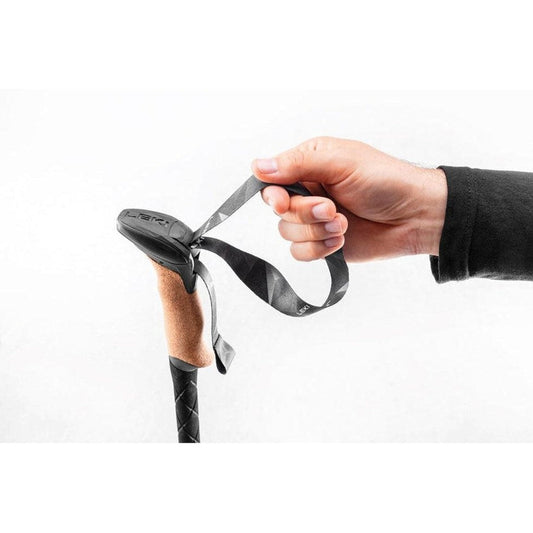
Cork grips conform to your hand shape over time while absorbing moisture from sweating palms, creating comfortable holds even during intense exertion. They provide natural temperature regulation, staying cool in summer heat and warm during cold weather without requiring gloves. Foam alternatives offer similar moisture-wicking properties with softer initial feel, though they tend to degrade faster than cork with heavy use. Rubber grips cost less and prove more durable but can become uncomfortably cold in winter and slippery when wet, making them less suitable for serious hiking.
Strap design influences efficiency and comfort more than many hikers realize. Properly adjusted straps allow you to release your grip during the pole swing without dropping the poles, reducing hand fatigue while maintaining rhythm. Quality padded straps distribute pressure across your wrist rather than concentrating it in narrow bands that can chafe during long days. Some advanced designs incorporate specific left and right straps contoured to wrap naturally around each wrist. Take time to properly thread your hands up through the straps before gripping the poles—this technique ensures optimal weight transfer and reduces the death grip tendency that causes hand cramping. Ensure you have the right men's accessories and women's accessories including gloves that work with your pole straps.
Basket and Tip Selection
Interchangeable baskets and tips extend pole versatility across different seasons and terrain types. Small trekking baskets work well for three-season hiking on established trails, preventing poles from sinking too deeply into soft ground while remaining compact enough to avoid snagging on vegetation. Larger snow baskets become essential for winter hiking, snowshoeing, or spring trail conditions where poles would otherwise punch through soft snow to uncomfortable depths. Many poles ship with both sizes, allowing you to swap them based on conditions.
Carbide or steel tips provide excellent grip on rock and hard-packed surfaces, literally biting into stone for secure placement. However, these hard tips can scratch rock faces and accelerate trail erosion, raising environmental concerns among leave-no-trace advocates. Rubber tip covers reduce impact on sensitive surfaces while quieting the clicking sound that echoes through wilderness areas, though they decrease traction on technical terrain. Serious hikers often carry both options, using rubber covers on rock slabs and removing them for muddy or loose sections requiring maximum grip. Don't forget other essential health and safety equipment for comprehensive trail preparedness.
Start Your Next Adventure Properly Equipped
The evidence supporting adjustable trekking poles extends far beyond marketing hype or anecdotal enthusiasm. From measurable joint stress reduction and enhanced stability to improved hiking rhythm and full-body muscle engagement, these tools deliver tangible benefits across all experience levels and age groups. Whether you're drawn to ultralight carbon fiber trekking poles for long-distance backpacking, durable aluminum models for mountaineering adventures, or collapsible walking sticks for convenient travel, our collection includes options perfectly suited to your specific needs. The key lies in matching pole characteristics to your typical hiking conditions, physical requirements, and performance priorities.
Don't let outdated notions about hiking poles being only for seniors or injured hikers prevent you from experiencing their advantages. Modern lightweight walking sticks appeal to everyone from young trail runners seeking improved climbing efficiency to experienced backpackers protecting joints for long-term outdoor participation. Visit Appalachian Outfitters today to explore our complete selection of adjustable trekking poles, carbon fiber hiking poles, and aluminum models from industry-leading manufacturers including Leki and Komperdell. Our knowledgeable staff will help you select the perfect poles, adjust them properly, and master techniques that maximize their benefits on your very next hike. Complete your setup with our extensive hydration systems and camp kitchen equipment for fully equipped trail adventures that prioritize both performance and comfort.