WOMEN'S OUTDOOR CLOTHING | PERFORMANCE APPAREL FOR HIKING & ADVENTURE
Build your outdoor wardrobe with women's outdoor clothing designed specifically for hiking, backpacking, and active adventures. Our collection features performance fabrics, women-specific fits, and versatile designs that transition from challenging trails to casual wear. From moisture-wicking base layers to weather-resistant outerwear, find quality outdoor clothing for women built to handle Appalachian conditions while maintaining comfort and style throughout your adventures.
Why Women-Specific Outdoor Clothing Matters
Generic or men's outdoor clothing rarely fits women properly, creating discomfort that compounds over miles on the trail. Purpose-built womens outdoor clothing accounts for different body proportions, movement patterns, and fit preferences that make genuine differences during extended outdoor activities.
Fit Differences: Women's outdoor clothing features narrower shoulders, shorter torso lengths, and room through hips compared to unisex or men's designs. These proportional adjustments prevent bunching fabric, riding-up hems, and uncomfortable restriction during movement on the trail. Proper fit means you can focus on your hike rather than constantly adjusting ill-fitting gear throughout the day.
Performance Benefits: Beyond fit, quality outdoor clothing for women provides technical performance through moisture management, temperature regulation, and weather protection. Synthetic and merino wool fabrics wick sweat away from skin, preventing the clammy discomfort cotton creates during exertion on steep climbs. Strategic ventilation keeps you from overheating during ascents while insulation maintains warmth during rest breaks.
Versatility Value: The best outdoor clothing for women works across multiple activities and transitions beyond the trail seamlessly. Technical fabrics that perform during backpacking also work for casual hiking, travel, and everyday errands around town. This versatility justifies investment in quality pieces that earn their place in your wardrobe through repeated use across different settings.
Essential Categories of Women's Outdoor Clothing
Building a functional outdoor wardrobe with womens outdoor clothing starts with understanding key clothing categories and how they work together across seasons and activities.
Base Layers
Foundation pieces worn directly against skin, designed to manage moisture and regulate temperature effectively. Base layers form the critical first line of your layering system in women's outdoor clothing.
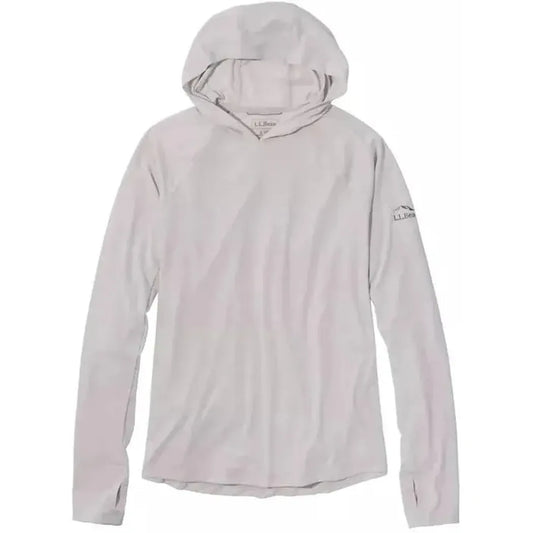
Lightweight Base Layers: Thin fabrics ideal for high-output activities or warm conditions during summer hiking. These wick moisture without adding bulk under additional layers. Choose synthetic or merino wool rather than cotton which holds moisture against skin causing discomfort.
Midweight Base Layers: Moderate insulation for shoulder seasons or cooler conditions on the trail. These provide warmth while maintaining breathability during activity. Perfect for fall hiking or cool mornings that warm throughout the day as you gain elevation.
Heavyweight Base Layers: Maximum warmth for cold conditions or low-output activities in winter. These work well for winter camping, snowshoeing, or layering under insulated outerwear during extreme cold on exposed ridges.
Mid Layers
Insulating pieces worn between base layers and outer shells in outdoor clothing for women. Mid layers provide warmth through trapped air while allowing moisture vapor to escape outward preventing dampness.
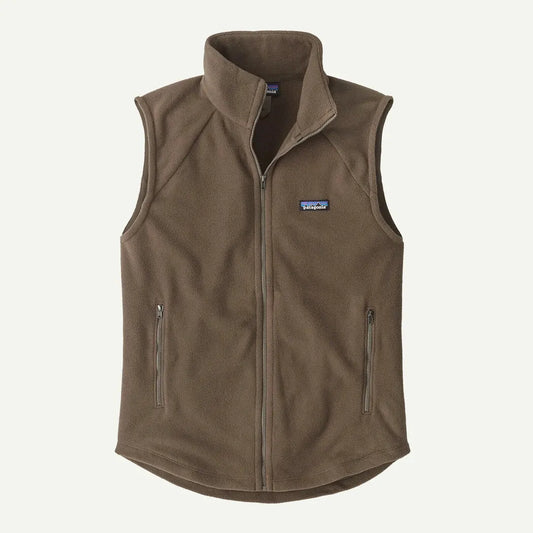
Fleece: Classic mid-layer offering reliable warmth with minimal weight for women's outdoor clothing. Modern fleece packs small, dries quickly, and maintains insulation even when damp from unexpected rain. Choose lightweight fleece for active pursuits or heavier options for cold stationary periods at camp.
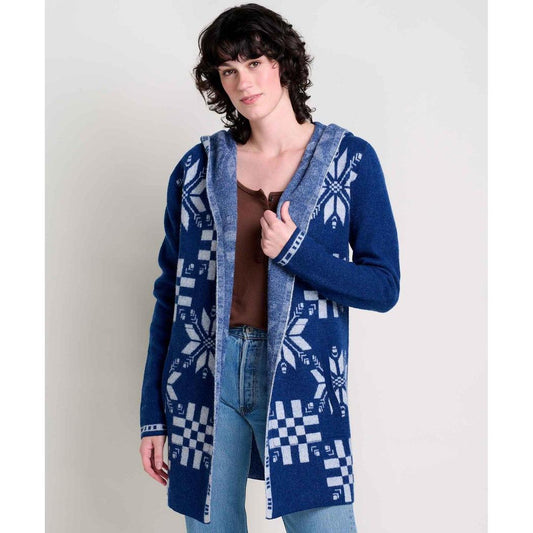
Insulated Jackets: Synthetic or down-filled jackets providing substantial warmth in womens outdoor clothing. Synthetic insulation works better in wet conditions while down offers superior warmth-to-weight in dry climates. Both compress for packing when not worn during warmer sections of trail.
Soft Shell: Stretchy, weather-resistant layers offering light insulation with wind and water resistance. Soft shells work well as standalone pieces during moderate conditions or as protective layers over fleece in variable mountain weather.
Outer Layers
Weather-protective shells shielding you from rain, wind, and snow. Outer layers complete your layering system in women's outdoor clothing by sealing out external moisture while allowing internal moisture vapor to escape through breathable membranes.
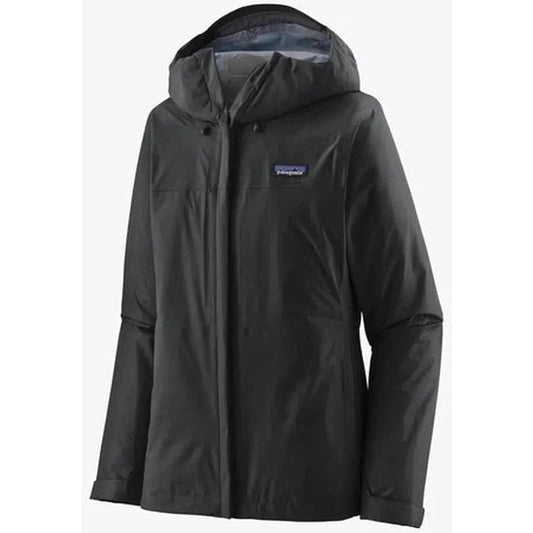
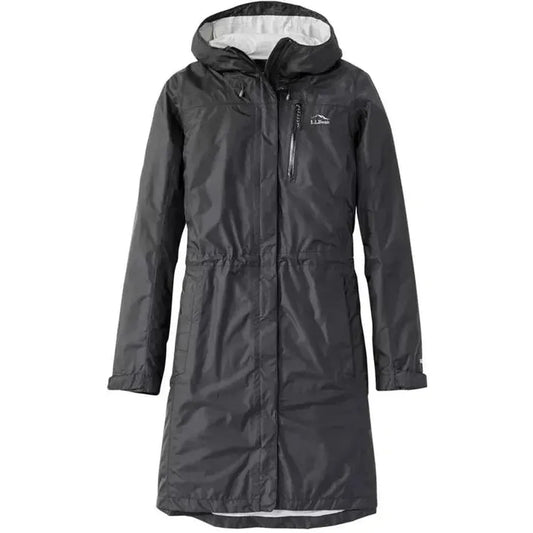
Rain Jackets: Waterproof, breathable shells for wet conditions on the trail. Quality rain jackets feature sealed seams, adjustable hoods, and pit zips for ventilation during strenuous climbs. Pack these on every hike regardless of forecast since mountain weather changes rapidly.
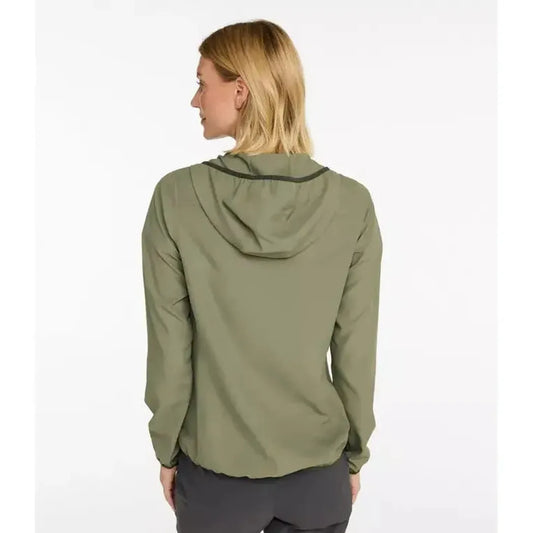
Wind Shells: Lightweight, packable protection from wind without rain-jacket weight. Wind shells work perfectly during dry, breezy conditions or as protective layers during high-output activities where full rain jackets would cause overheating.
Bottoms
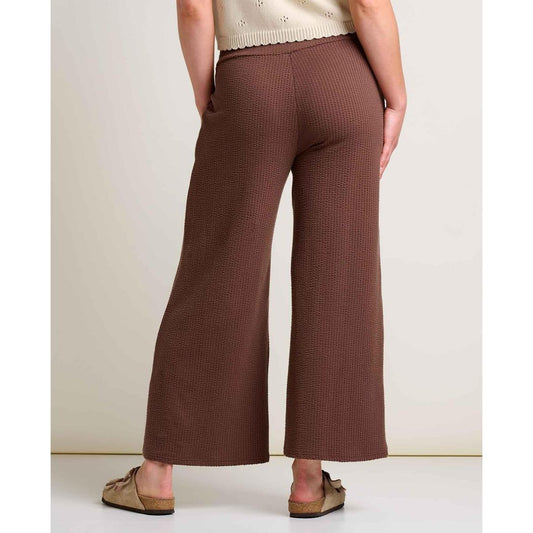
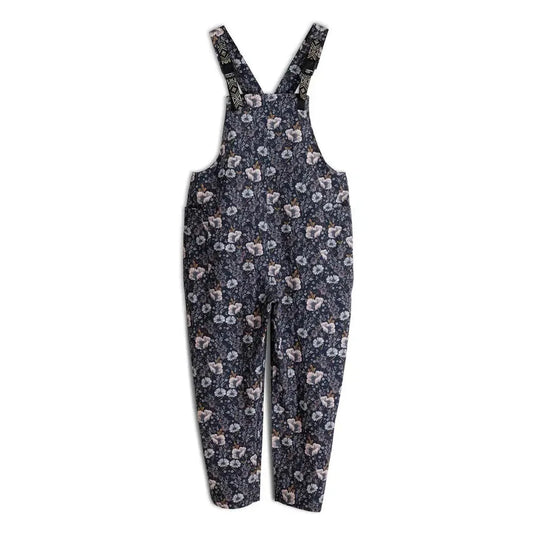
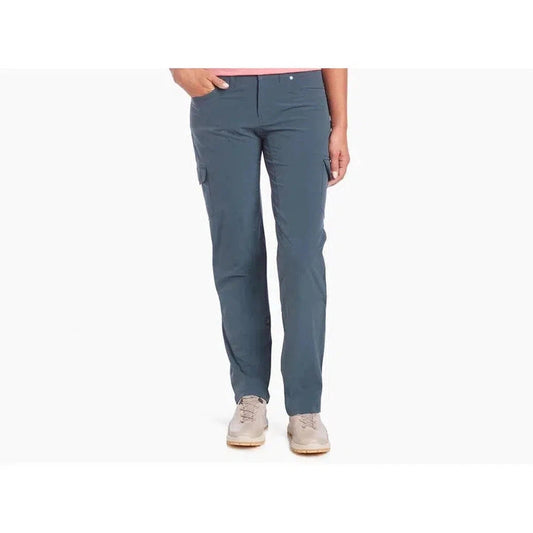
Pants, shorts, and tights designed for outdoor movement and weather protection in outdoor clothing for women.
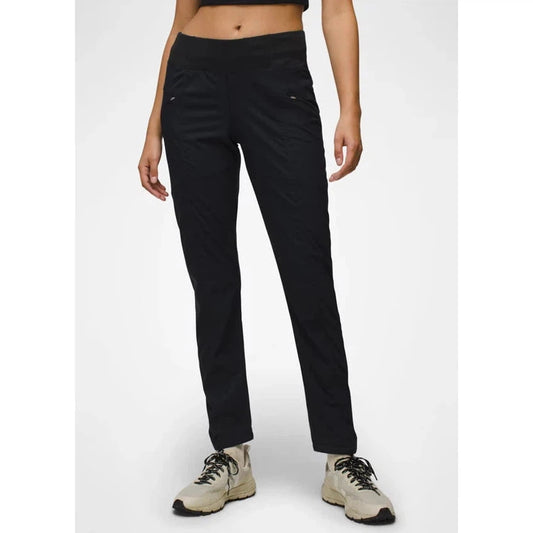
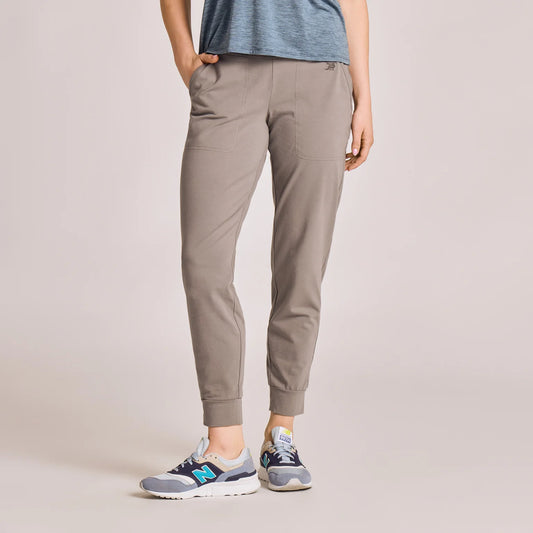
Hiking Pants: Durable pants with stretch fabric, multiple pockets, and often built-in sun protection. Convertible options zip off at knees to become shorts, adding versatility to your womens outdoor clothing. Look for reinforced knees and seat for abrasion resistance on rocky trails.
Hiking Shorts: Lightweight options for warm weather with similar features to pants. Choose quick-drying fabrics that manage moisture during active days on exposed trails. Longer inseam options provide more sun protection on summer hikes.
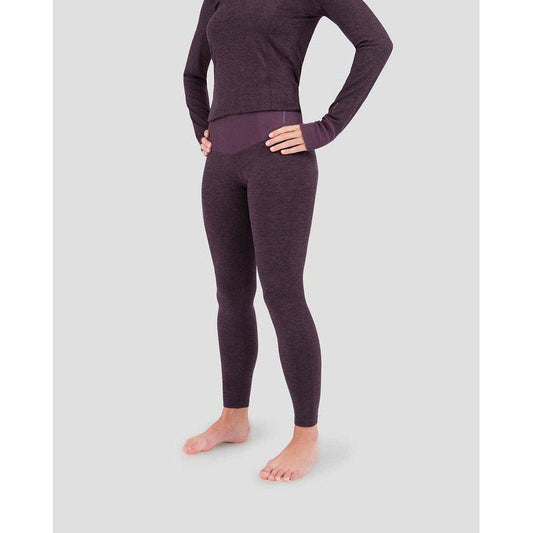
Leggings: Stretchy base layer bottoms or standalone pants for hiking in women's outdoor clothing. Technical leggings offer compression, moisture-wicking, and unrestricted movement during scrambles. Pair with shorts over top for modest coverage or wear alone during workouts and hikes. Complete your outdoor outfit with quality womens hats designed to provide sun protection and complement your layering system on the trail.
How to Build Your Outdoor Wardrobe
Creating a functional wardrobe with womens outdoor clothing requires strategic selection based on your primary activities, local climate conditions, and available budget for building quality gear collection.
Start with Versatile Basics: Begin with neutral-colored, multi-season pieces that work across activities. A good rain jacket, convertible hiking pants, moisture-wicking tops, and one mid-layer fleece handle most moderate hiking conditions. These foundational items in outdoor clothing for women work individually or together depending on weather.
Layer According to Activity: High-output activities like trail running or steep climbs generate substantial body heat requiring minimal layering. Moderate hiking needs versatile mid-layers you can add or remove as conditions change. Low-output activities like camping or wildlife viewing demand maximum insulation since you're not generating warmth through movement.
Consider Your Climate: Wet regions prioritize synthetic materials and waterproof shells in women's outdoor clothing. Dry climates allow down insulation and focus on sun protection instead. Variable weather demands versatile layering systems you can adjust throughout the day. Appalachian conditions typically require rain-ready gear and quick-drying fabrics.
Invest Strategically: Spend more on items contacting your skin like base layers, protecting from weather like rain jackets, and worn most frequently like hiking pants. Budget options work fine for infrequently-used pieces in your outdoor clothing for women collection. Quality core items last years while cheaper alternatives need frequent replacement. Pair your clothing with durable womens footwear built specifically for trail conditions and women's foot shapes.
Materials and Fabrics Explained
Understanding fabric technologies helps you choose appropriate womens outdoor clothing for your specific needs and trail conditions.
Synthetic Fabrics: Polyester and nylon dominate women's outdoor clothing due to durability, moisture-wicking, and quick-drying properties. Synthetics maintain performance when wet, dry faster than natural fibers, and typically cost less than merino wool. Trade-off: synthetic materials can retain odors more readily than wool after extended wear.
Merino Wool: Natural fiber offering excellent temperature regulation, odor resistance, and comfortable feel against skin in outdoor clothing for women. Merino wool works across wide temperature ranges, naturally resists odors allowing multi-day wear, and provides warmth even when damp from rain. More expensive than synthetics and requires gentler care.
Blends: Combinations of synthetic and natural fibers attempting to capture benefits of both in womens outdoor clothing. Common blends include merino-polyester mixes offering wool's comfort with synthetic durability, or cotton-synthetic blends providing softness with improved moisture management over pure cotton.
Cotton: Avoid cotton for active outdoor pursuits. Cotton absorbs and holds moisture against skin, takes extended time drying, and provides no insulation when wet. The outdoor saying 'cotton kills' reflects genuine risk of hypothermia from wet cotton clothing in cold conditions on the trail.
Sizing and Fit Guide
Proper fit dramatically impacts comfort and performance in women's outdoor clothing during extended wear on the trail over multiple hours.
Base Layers: Should fit snugly without restriction, lying smooth against skin without gaps or bunching. Too-tight base layers restrict circulation and movement. Too-loose creates air pockets reducing moisture-wicking effectiveness in outdoor clothing for women.
Mid Layers: Need room to layer over base layers without excessive bulk. Sleeves should extend past wrists when arms raised overhead. Hem should cover lower back when reaching upward. Test fit by simulating hiking movements before purchasing womens outdoor clothing.
Outer Layers: Require space accommodating all underlying layers comfortably. Raise arms overhead, bend forward, and twist torso wearing all layers you'd use together. Outer layers fitting perfectly with only base layers become restrictive when mid-layers added to your women's outdoor clothing system.
Bottoms: Hiking pants should allow full range of motion during high steps, squats, and stretches without pulling or restricting. Waistbands should sit comfortably without digging in under pack hip belts. Inseam length matters for preventing excess fabric bunching or inadequate coverage.
Care and Maintenance
Proper care extends the lifespan of your outdoor clothing for women while maintaining performance properties through seasons of trail use.
Washing Technical Fabrics: Use technical wash designed for outdoor clothing rather than regular detergent. Avoid fabric softeners which coat fibers reducing moisture-wicking and water-repellent properties in womens outdoor clothing. Wash in cold water on gentle cycle, closing all zippers and velcro before washing.
Drying: Air dry when possible to extend fabric life. If machine drying women's outdoor clothing, use low heat settings. High heat damages technical fabrics, elastic components, and water-repellent treatments. Remove promptly to prevent wrinkles and musty smells in stored gear.
Restoring Water Repellency: DWR (durable water repellent) treatments wear off over time. When outer layers start wetting out rather than beading water, clean thoroughly then apply spray-on or wash-in DWR treatment. Heat activation in dryer helps treatment bond to fabric.
Storage: Store outdoor clothing for women clean and completely dry to prevent mildew. Hang or fold loosely rather than compressing long-term. Keep away from direct sunlight and heat sources. Store insulated items uncompressed to maintain loft.
Why Shop Appalachian Outfitters
We select womens outdoor clothing meeting genuine performance standards for Appalachian conditions while maintaining versatility for everyday wear beyond the trail.
Women-Focused Selection: Our collection prioritizes brands designing specifically for women rather than simply scaling down men's designs. We stock extended size ranges and work with manufacturers offering true women's fit rather than generic unisex options in outdoor clothing for women.
Tested in Appalachian Conditions: Our team tests women's outdoor clothing during actual trail use in local mountains. We understand which fabrics handle humidity, which shells breathe during strenuous climbs, and which layers pack efficiently for variable mountain weather.
Quality Over Quantity: We curate carefully rather than stocking every option. Each piece of outdoor clothing for women earns its place through proven performance, appropriate construction, and reasonable pricing. You won't sort through low-quality options to find worthwhile gear.
Expert Guidance: Our staff includes active outdoor enthusiasts who use this gear personally. We provide honest recommendations based on your intended activities, experience level, and budget rather than pushing highest-margin items. Browse our complete collection of womens outdoor accessories designed to complement your clothing system for complete trail readiness.
Frequently Asked Questions
What should I wear for my first hike?
Start with moisture-wicking shirt, comfortable pants or shorts, supportive footwear, and layered jacket. Avoid cotton; choose synthetic or wool fabrics that wick moisture.
How many layers do I need for hiking?
Three-layer system works for most conditions: moisture-wicking base layer, insulating mid layer, and weather-protective outer shell. Adjust based on temperature and activity intensity.
What's better for hiking, synthetic or merino wool?
Both work well. Synthetics dry faster and cost less. Merino wool resists odors better and regulates temperature. Many hikers use both depending on conditions.
How do I know what size to order?
Check brand-specific size charts and read reviews mentioning fit. When between sizes, size up for layering room or down for form-fitting base layers.
Can I wear outdoor clothing casually?
Absolutely. Quality outdoor clothing transitions seamlessly from trail to town. Choose neutral colors and versatile styles that work across settings for maximum wear.
How long should outdoor clothing last?
Quality base layers last 2-4 years of regular use. Mid layers and shells last 5-10 years with proper care. Replace when fabric deteriorates or performance treatments fail.
Conclusion
Don't let inadequate clothing limit your outdoor adventures. Quality women's outdoor clothing provides the performance, fit, and versatility active lifestyles demand. Whether you're building your first outdoor wardrobe or upgrading key pieces, find apparel designed specifically for women and tested in real trail conditions. Explore our collection combining technical performance with everyday wearability for gear that works as hard as you do on every adventure.

 New
New