Hiking Daypacks for Trail, Travel & All-Day Adventures
A well-chosen hiking daypack disappears on your back within the first mile and stays that way through the last.
At Appalachian Outfitters, our hiking daypacks collection covers every use case from ultralight summit packs and standard full-day trail packs to high-capacity daypacks built for long days with heavy gear, all from Osprey, Gregory, Deuter, and Mystery Ranch.
Shop Hiking Daypacks by Capacity
Capacity is the starting point for every hiking daypack decision. The right volume depends on how long you hike and how much gear you carry. Choosing too small means strapping gear to the outside; choosing too large adds weight before you leave the trailhead.
15-20L Ultralight Daypacks
Hiking daypacks in the 15-20L range are purpose-built for speed and minimal carry. Half-day hikes, summit attempts from base camp, and trail running all benefit from this compact footprint. A pack this size carries water, a snack, a light layer, and safety essentials without adding weight or bulk.
20-26L Standard Day Hiking Packs
The 20-26L tier is the sweet spot for most trail users: full day hikes of six to ten hours, peak bagging, and days that include lunch, extra layers, and a full water supply. This is where back panel engineering and hip belt padding become meaningfully different across brands. The Osprey daypacks in this tier, including the Talon 22 and women's Tempest 22, are the most consistently top-rated hiking daypacks in the US market for good reason: ventilated AirScape back panel, cushioned hip belt with zippered pockets, and a suspension that rides well under loads up to 25 pounds.
28-36L High-Capacity Daypacks
When the objective is long, technical, or cold, a higher-capacity hiking daypack handles gear a standard pack cannot. Winter insulation, camera kits, and peak bagging safety gear all justify the added volume. The Osprey Stratos 36 is the benchmark, pairing an AirSpeed suspended mesh back panel with an internal frame and load lifters that handle 30-pound carries with real comfort. Browse the full Gregory daypacks for strong alternatives at this capacity, including the Gregory Zulu 28 with its trampoline-style back panel and weight-bearing hip belt.
Key Features That Separate the Best Hiking Daypacks
Capacity gets you in the door, but four features determine whether a pack actually feels good after eight miles with a full load.
Back Panel Ventilation
Back panel design is the most consequential comfort feature in hiking daypacks for warm-weather trail use. Three main approaches exist:
- Suspended mesh panels: the best-ventilating option available. Osprey's AirScape and Gregory's trampoline-style design hold the pack body away from your back entirely, creating a continuous air channel that prevents heat and moisture from accumulating during the climb.
- Channeled foam panels: a solid middle-ground option that cuts airflow grooves into a contact foam surface. Delivers moderate ventilation with slightly better load stability on technical terrain than suspended mesh.
- Flat back panels: make full contact with your back and deliver no meaningful airflow. A significant comfort liability on warm days or steep ascents, and best avoided for active day hiking use.
For most day hikers in three-season conditions, a ventilated mesh back panel is worth prioritizing over any other single feature.
Hip Belt: Padded vs. Webbing
Not all hip belts in hiking daypacks do the same job. A padded hip belt transfers pack weight from your shoulders to your hips and typically includes zippered pockets for a phone and snacks. A webbing strap stabilizes the pack but transfers little load. The threshold is roughly 15 pounds: above it, a padded hip belt reduces shoulder fatigue meaningfully. Hikers carrying a full water supply and extra layers should prioritize a cushioned hip belt.
Hydration Compatibility
Quality hiking daypacks accommodate both bladders and bottles. An internal sleeve holds a two or three liter reservoir against the back panel with a port routing the bite valve for hands-free drinking. Dual water bottle pockets serve hikers who prefer bottles over bladders. Most Osprey, Gregory, and Deuter models in the 20-36L range handle both setups simultaneously.
Waterproof Daypacks and Rain Cover Options
Waterproofing in hiking daypacks works at three distinct levels. A DWR-treated pack with an integrated rain cover handles most three-season trail hiking in the US.
- DWR coating: standard on most trail-oriented hiking daypacks. Repels light rain and drizzle for short periods and handles brief showers, but saturates under sustained heavy precipitation.
- Integrated rain cover: included with Osprey Stratos and Gregory Zulu models. Stows in a dedicated pocket and deploys in seconds to cover the full pack body, providing complete protection in heavy rain without any separate purchase.
- Fully waterproof daypacks: use dry-bag construction or welded seams to block water intrusion even when submerged. The right choice for kayaking, canyoneering, or consistently wet climate hiking.
How to Choose the Best Hiking Daypack for Your Style
Choosing the best hiking daypacks comes down to matching capacity and features to how you actually hike. The most useful pack holds everything you need for your typical day, nothing more.
Match Capacity to Your Hike Length
Match your pack to your most common trip type:
- Half-day hikes under four hours: 15-20L. Water, a snack, a light shell, and a small first aid kit fit easily. Prioritize low weight and packability over organizational depth.
- Full day hikes of six to ten hours: 20-26L. Room for a full water supply, lunch, extra layers, navigation tools, and a basic safety kit. This is the most versatile capacity range for most day hikers.
- Long days, technical routes, and winter hiking: 28-36L. Adds space for bulky insulation, crampons, camera gear, emergency shelter, or the extra calories a long day demands.
When in doubt, choose the smaller capacity and pack intentionally. An overstuffed 18L pack is less comfortable than a properly loaded 22L.
Hiking Daypacks vs. Travel Daypacks
Trail hiking daypacks prioritize ventilation, hip belts, and gear attachment loops for function on trail. Travel daypacks shift toward clamshell access, laptop sleeves, and stowable harness systems for airports and urban use. If you need one pack for both, look for hybrid designs with a ventilated back panel alongside panel-loading access. Osprey's Daylite Plus occupies this middle ground effectively.
Top Brands in Our Hiking Daypacks Collection
Every brand in our hiking daypacks collection was selected for back panel engineering, fit consistency, and trail-tested durability across the routes our customers run.
Osprey
Osprey dominates the hiking daypacks category in independent testing and retail sales for a straightforward reason: their packs consistently deliver the most ventilated, well-organized carry available at every capacity tier. The Talon 22 has been the top-rated hiking daypack in the US market for years running, combining an AirScape ventilated back panel, a cushioned hip belt with zippered pockets, a stretch-mesh shove-it pocket, and a suspension system that rides well under loads up to 25 pounds. The women's Tempest 22 shares the same architecture with a torso length and harness geometry shaped for women's fit.
The Stratos 36 steps up to a full suspended-mesh AirSpeed back panel and internal frame for hikers who need high-capacity performance. All Osprey hiking daypacks are covered by the All Mighty Guarantee for the life of the pack. Browse the full Osprey daypack collection for current models and sizes.
Gregory
Gregory builds hiking daypacks with the same suspension philosophy as their backpacking packs, prioritizing load transfer and hip belt performance alongside ventilation. The Zulu 24 and Zulu 28 use a trampoline-style back panel for airflow while keeping the pack in contact with a structured frame for load support. Gregory's hip belts are among the most comfortable in the daypack category. For hikers carrying heavier day loads, Gregory daypacks deliver backpacking-pack levels of support in a daypack footprint.
Deuter
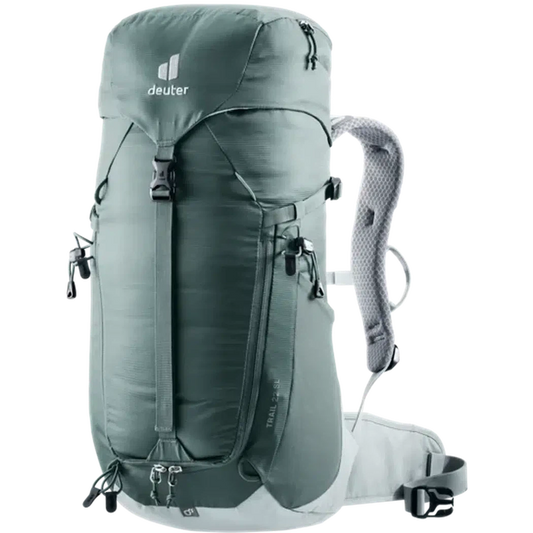
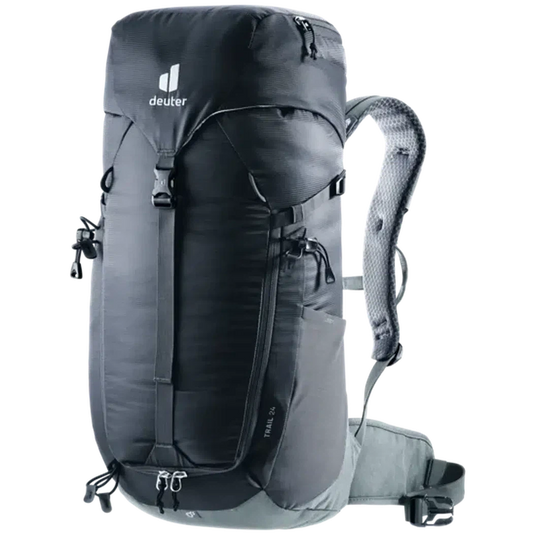
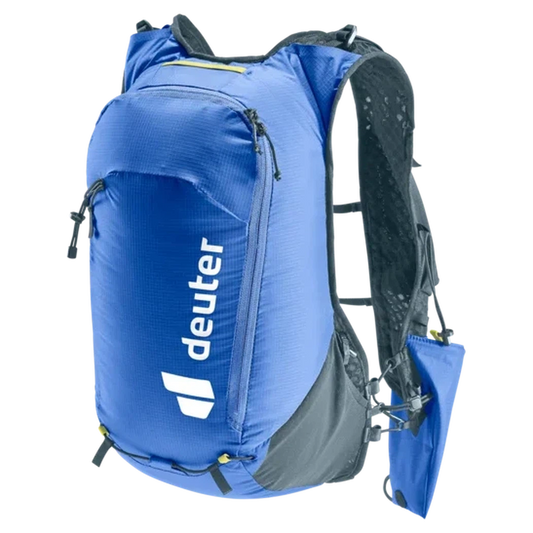
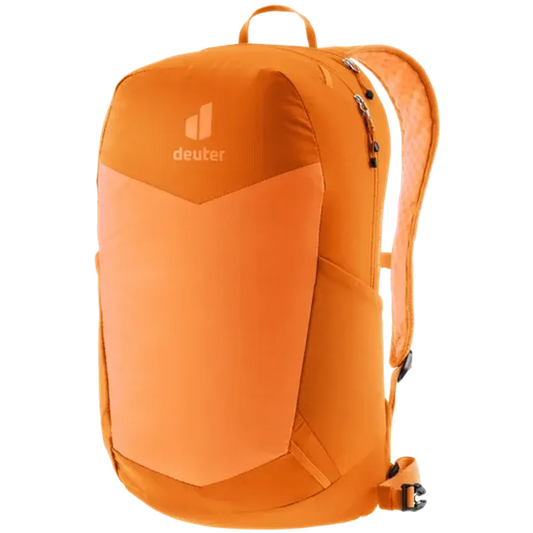
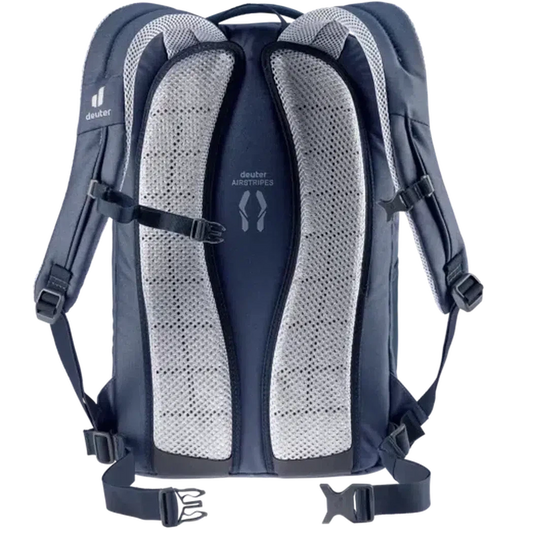
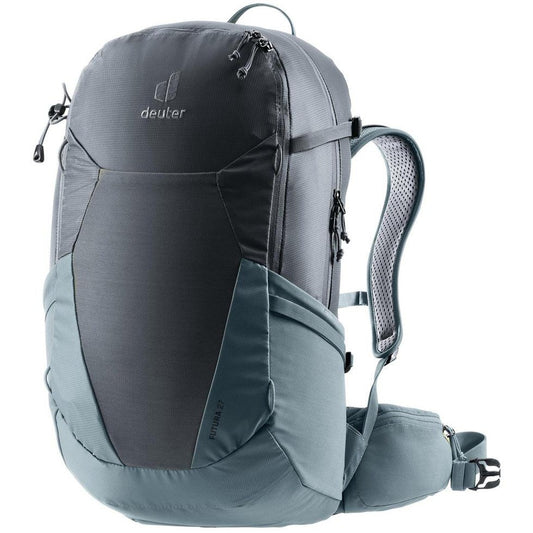
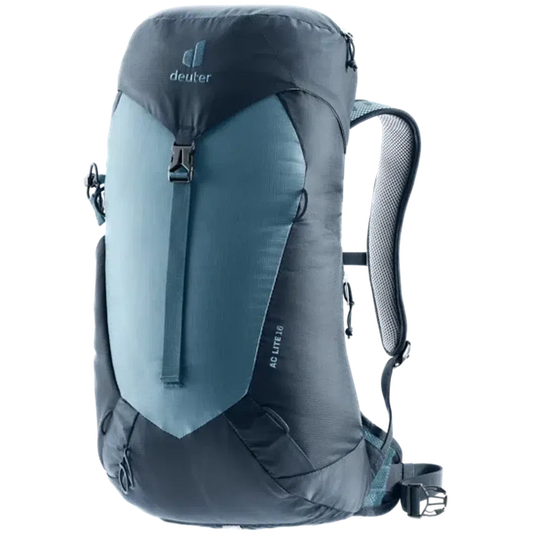
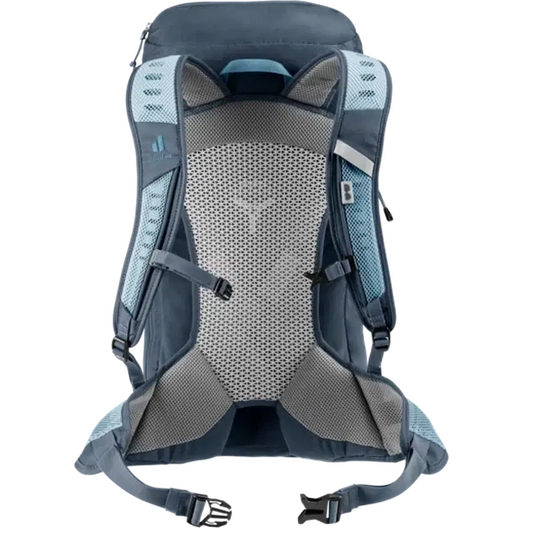
Deuter brings German engineering to hiking daypacks through their Speed Lite Pro 25 and Speed Lite Pro 23 SL. A Delrin U-frame provides structure without excessive weight, Airstripes ventilated back panels outperform flat-contact designs in warm conditions, and the pocket layout keeps frequently accessed items within reach. Deuter daypacks consistently deliver high-end ventilation and ergonomics at a weight-to-performance ratio that stands out in the category. Explore the full Deuter daypack selection for the Speed Lite Pro lineup.
Mystery Ranch
Mystery Ranch brings a military heritage to hiking daypacks, producing packs built for durability and fast field access. Their patented 3-ZIP design opens the main compartment in three directions for instant access without full unloading. The FUTURA YOKEadjust harness system allows in-field torso adjustments that most daypacks cannot match. For technical day hikes and hikers who prioritize build quality over minimal weight, Mystery Ranch daypacks are among the most capable in our collection.
Why Shop Hiking Daypacks at Appalachian Outfitters
At Appalachian Outfitters, our hiking daypacks collection is built around brands whose back panel engineering, fit consistency, and trail durability we trust. We carry hiking daypacks that perform from the Smokies to the Whites, selected for real outdoor performance, not to fill a category.
Here is what you get when you shop with us:
- Trail-tested brands: Osprey, Gregory, Deuter, and Mystery Ranch chosen for suspension quality and durability verified in real field use, not catalog specifications.
- Complete day hike kit: pair your daypack with water treatment, navigation, and trekking poles from the same collection.
- Gear expertise: our staff are active hikers who carry the packs we sell on the same trails our customers use.
- Complete your kit: add backpacking backpacks for overnight adventures, or
- pair with trekking poles that attach directly to the gear loops built into most daypacks.
Frequently Asked Questions About Hiking Daypacks
Q: How many liters do I need in a hiking daypack for a full day hike?
For a full day hike of six to ten hours, 20-26L covers most hikers comfortably. That range holds a full water supply, lunch, extra layers, a first aid kit, and navigation essentials without requiring ultralight discipline or compromising on trail safety.
Q: Do hiking daypacks need a hip belt, and does it actually help?
A padded hip belt makes a meaningful difference once your loaded pack exceeds roughly 15 pounds. It transfers weight to your hips, reducing shoulder fatigue on full-day hikes. For light loads under 15 pounds, a simple webbing stabilizer is usually sufficient.
Q: What is the difference between waterproof daypacks and regular hiking daypacks with DWR?
DWR-treated packs repel light rain but saturate in sustained precipitation. An integrated rain cover provides full protection in heavy rain without adding bulk. Fully waterproof daypacks use sealed construction for wet climates and water activities.
Q: Can I use a hiking daypack for travel?
Trail-focused hiking daypacks work well for rugged travel but lack clamshell access and laptop organization that urban environments require. For travel daypacks that also perform on trail, look for crossover designs with ventilated back panels and panel-loading access.
Q: What is the best hiking daypack for most day hikers?
The Osprey Talon 22 is the most consistently top-rated hiking daypack across independent testing sources for its ventilated AirScape back panel, cushioned zippered hip belt, and versatile carry range. The women's Tempest 22 shares the same architecture in a women's-specific fit.
Conclusion
The right hiking daypack holds everything your day on trail demands and nothing more. At Appalachian Outfitters, our collection from Osprey, Gregory, Deuter, and Mystery Ranch covers every capacity and trail condition. Browse the full collection and find the pack that works from the first step to the last.

 Sale
Sale
 Sold out
 Sold out
 Sold out
 Sold out
 Sold out
 Sold out